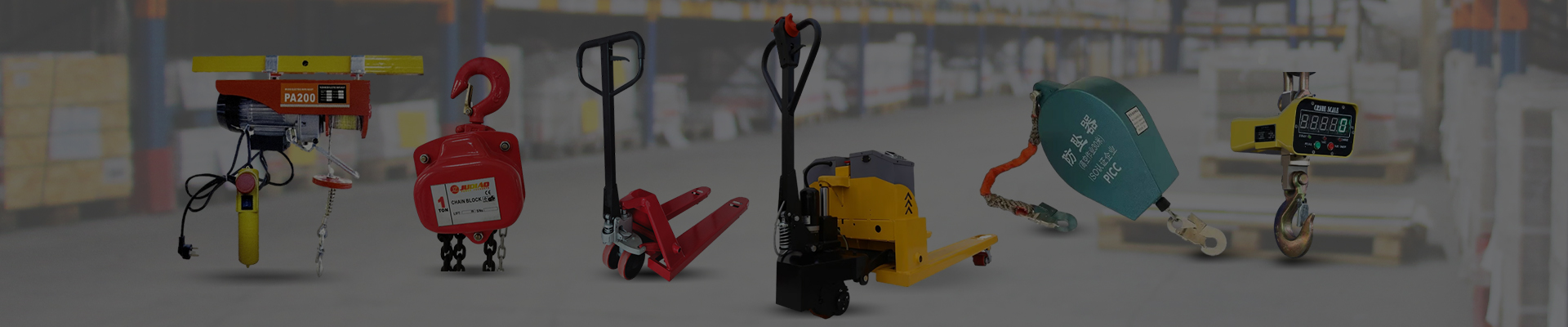


Sometimes the simplest tools have the widest reach. Chain blocks and lever blocks, these relatively humble mechanical devices, quietly play a pivotal role in construction sites, factories, and even disaster relief operations from Asia to Africa and beyond. But why does it matter so much? And more importantly, what can mastering this knowledge bring to industries worldwide? Well, knowing the ins and outs of chain blocks and lever blocks unlocks safer, more efficient lifting operations, reducing downtime and human error. Plus, it means equipment that can last decades, bridging the gap between traditional manual labor and modern mechanization. It sounds basic, but the ripple effects are enormous — especially in resource-constrained settings.
Now, before we dive into specs and details, consider this: According to the International Labour Organization (ILO), workplace accidents involving manual lifting contribute significantly to injuries globally. In heavy industries such as mining, manufacturing, and construction, the risk is amplified. The chain block and lever block address these dangers by offering controlled, mechanical advantage in lifting heavy loads safely. The World Bank highlights how infrastructure projects, especially in emerging economies, rely heavily on such equipment to accelerate timelines without sacrificing worker safety. Yet, the challenge remains — many sites lack access to quality equipment or the right training. This gap underscores why understanding chain block and lever block technology isn’t just academic; it’s practical and essential.
Mini takeaway: Chain and lever blocks are not just mechanical lifts — they’re lifelines in many industries where heavy lifting without safety means risk, delay, or worse.
In essence, a chain block, often called a chain hoist, is a device using a chain and pulley system to lift heavy loads by hand. Think of it as the muscle that multiplies your manual force via a clever gear mechanism inside a compact housing. It’s usually hung above the load, and pulling the hand chain raises or lowers the load chain with precision.
On the other hand, a lever block (sometimes called a ratchet lever hoist) uses a lever arm and a ratchet mechanism to lift, pull or tension loads horizontally or vertically. The lever arm action is especially handy in tight spaces or for fine load adjustments.
Both tools are mechanical powerhouses that complement manual labor, crucial for industries without access to heavy, costly lifting machinery. They're the quiet heroes behind fast, effective, and safe load management, some even say indispensable in humanitarian aid settings where electricity or engines just aren’t an option.
Mini takeaway: Simply put, chain and lever blocks turn muscle power into precision lifting – making heavy work manageable, anytime and anywhere.
Most chain and lever blocks sport rugged steel bodies with corrosion-resistant finishes, often zinc or powder coatings, to withstand harsh environments — from salty seas to dusty deserts. Engineers typically emphasize the value of solid alloy steel gears and heat-treated chains, given the stress loads they endure. Personally, I’ve seen blocks running smoothly after years in tough industrial plants, proving a well-made unit’s lifespan easily beats its humble appearance.
These devices come rated in tons, from small 0.5-ton units for workshop jobs to heavy-duty 20-ton variants for mining or shipbuilding. Safety is non-negotiable, so they follow ISO standards like ISO 12100 for mechanical safety. Multiple braking systems in chain blocks, and ratchet locks in lever blocks, prevent accidental drops, which instill a lot of confidence in operators.
Lever blocks especially shine here — compact and lighter than powered hoists, you can carry them easily on a shoulder, then maneuver loads even in cramped, uneven terrain. Chain blocks too, while often stationary, feature hand chains designed for easy gripping, so fatigue is minimized during repetitive lifting. Small details, but the design thinking behind them is quite clever.
I’ve noticed in maintenance workshops that chain and lever blocks can be disassembled for lubrication and part replacement with relative ease. This serviceability extends their life and ensures reliability — a boon in remote or low-resource settings where buying new gear frequently is not feasible.
Raw costs are low compared to powered lifting equipment, but the real saving is in reliability and longevity. Investing in quality blocks reduces accident risk, downtime, and frequent replacements — factors that add up a lot faster than the initial price tag might suggest.
One poignant example comes from NGOs operating after natural disasters in the Pacific region, where lever blocks have been used to erect emergency medical centers in remote villages — providing critical infrastructure when time and power were scarce.
Mini takeaway: The adaptability and simplicity of chain and lever blocks make them global workhorses in some of the toughest conditions imaginable.
The obvious plus is safety — better load control significantly reduces workplace accidents. But there’s also sustainability: no motor means zero emissions and less environmental impact. In many ways, using such manual devices promotes a slower, more deliberate work pace that can improve quality and reduce mistakes.
On the emotional side, workers tend to feel more secure and respected when provided proper tools — which boosts morale and productivity. Plus, cost savings over the long haul allow companies to allocate resources to worker training, improving overall industry standards.
As with so many traditional tools, we're seeing modern twists. New composite materials are making chains lighter yet stronger. Digital load indicators integrated with Bluetooth connectivity enable live monitoring and logging, crucial for maintenance and compliance. Some manufacturers are exploring eco-friendly designs using recycled metals and sustainable coatings.
Automation may seem like the natural evolution, but oddly enough, demand for purely manual blocks continues, especially in places where power reliability is a concern. So, hybrid solutions — combining manual and electric options — are also coming to the fore.
Despite their advantages, shortcomings do exist. For one, manual operation requires physical effort and can slow down very high-volume lifting tasks. Wear and tear on chains, if not properly maintained, risk failure.
Training is another hurdle: misuse due to lack of proper instruction sometimes leads to accidents or premature equipment damage.
Experts suggest greater emphasis on user training, regular inspections, and advances in design for ergonomics could alleviate these problems. Some vendors now bundle digital tutorials and on-site demos with their products, which helps adoption immensely.
| Feature | Chain Block Model A-1000 | Lever Block Model L-750 |
|---|---|---|
| Max Load Capacity | 1 Ton | 750 kg |
| Chain Material | Alloy Steel | Heat-treated Steel |
| Weight | 8.5 kg | 5.6 kg |
| Brake System | Multi-disc friction brake | Mechanical ratchet lock |
| Chain Length | 3 meters | 2 meters |
| Finish | Zinc-plated | Powder-coated |
| Vendor | Price Range (USD) | Warranty | Global Shipping | Customer Support |
|---|---|---|---|---|
| HoistPro | $120 - $900 | 2 years | Yes (Express options) | 24/7 Phone & Email |
| LiftMate | $100 - $850 | 1.5 years | Limited regions | Business hours only |
| ChainLift Co. | $130 - $1000 | 3 years | Worldwide | Dedicated Account Managers |
So, after peeling back the layers, it’s clear chain block and lever block systems remain vital cogs in the global industrial engine. Their combination of durability, simplicity, and adaptability continues to serve sectors ranging from construction to emergency response with quiet reliability. Frankly, these tools show that not every innovation needs to be high tech to be essential.
If you’re involved in procurement, operations, or even humanitarian logistics, understanding these devices opens doors to safer, more efficient projects. Curious to explore more or shop quality models? Visit our website: https://www.qyjuli.com


 Afrikaans
 Albanian
 Amharic
 Arabic
 Armenian
 Azerbaijani
 Basque
 Belarusian
 Bengali
 Bosnian
 Bulgarian
 Catalan
 Cebuano
 China
China
 China (Taiwan)
 Corsican
 Croatian
 Czech
Czech
 Danish
 Dutch
Dutch
 Esperanto
 Estonian
 Finnish
 French
 Frisian
 Galician
 Georgian
 German
 Greek
Greek
 Gujarati
 Haitian Creole
 Hausa
Hausa
 Hawaiian
 Hebrew
 Hindi
Hindi
 Miao
Miao
 Hungarian
 Icelandic
 Igbo
Igbo
 Indonesian
 Irish
Irish
 Italian
 Japanese
 Javanese
 Kannada
 Kazakh
 Khmer
Khmer
 Rwandese
 Korean
 Kurdish
 Kyrgyz
 Lao
Lao
 Latin
Latin
 Latvian
 Lithuanian
 Luxembourgish
 Macedonian
 Malgashi
 Malay
Malay
 Malayalam
 Maltese
 Maori
Maori
 Marathi
 Mongolian
 Myanmar
 Nepali
 Norwegian
 Norwegian
 Occitan
 Pashto
 Persian
 Polish
 Portuguese
 Punjabi
 Romanian
 Russian
 Samoan
 Scottish Gaelic
 Serbian
 Sesotho
 Shona
Shona
 Sindhi
 Sinhala
 Slovak
 Slovenian
 Somali
 Spanish
 Sundanese
 Swahili
 Swedish
 Tagalog
 Tajik
Tajik
 Tamil
Tamil
 Tatar
Tatar
 Telugu
 Thai
Thai
 Turkish
 Turkmen
 Ukrainian
 Urdu
Urdu
 Uighur
 Uzbek
Uzbek
 Vietnamese
 Welsh
Welsh
 Bantu
Bantu
 Yiddish
 Yoruba
 Zulu
Zulu
 English