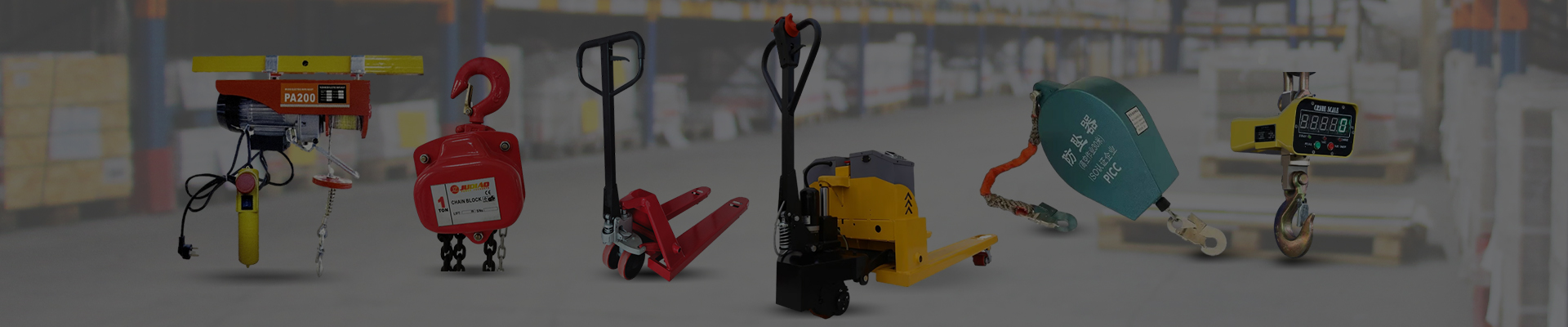


When you hear the term distributor chain block, you might picture a hefty piece of industrial gear — and you’re right. It's one of those unsung heroes in warehouses, factories, construction sites, and even disaster response efforts worldwide. Why does understanding distributor chain blocks matter? Because these devices do more than just lift heavy loads safely; they enable industries and aid agencies to move materials efficiently, maintain safety standards, and cut costs globally.
Globally, heavy lifting equipment is a cornerstone for infrastructure development and emergency logistics. According to the International Labour Organization (ILO), workplace safety improvements in industrial sectors have saved thousands of lives annually, mainly thanks to reliable tools like chain blocks. In developing nations, where infrastructure still blooms, distributor chain blocks bridge the gap between limited machinery and colossal needs. Meanwhile, humanitarian organizations rely on them to deploy relief materials quickly and safely in post-disaster zones.
Yet the challenge is clear:
These questions highlight the ongoing evolution of distributor chain blocks.
Simply put, a distributor chain block is a hand-operated lifting device using a system of chains and gears to hoist heavy loads. Unlike electric hoists, these rely on manual operation, making them flexible and reliable in places without electricity or where precise load control is required.
But here’s the kicker: distributor chain blocks don't just lift weight; they distribute the load evenly — hence the name. This distribution reduces wear on both the equipment and the load itself, extending the device's operational life and ensuring safer handling of sensitive materials.
Many manufacturers use heat-treated alloy steel for chains and housings, pushing these devices to resist harsh weather and heavy usage. Engineers often say this boosts safety margins and longevity, especially in demanding industries like mining or oil rigs.
Distributor chain blocks come in various weight ratings, from 250 kg to 20,000 kg or more. Choosing the right capacity is essential. Overloading risks accidents; underestimating wastes productivity. Plus, the fine control afforded by chain systems allows precise placement — a small but vital detail in complex assembly tasks.
Unlike bulky electric hoists, chain blocks are relatively lightweight. Workers can carry them around where machines can’t go, say, narrow ship hulls or remote construction zones. This aspect extends their usability in places where others simply don’t fit.
Manual chain blocks generally require less upkeep and have lower upfront costs. For companies operating on tight budgets, or NGOs needing rapid deployment kits, this balance of price and utility empowers faster, safer work.
Here’s where things get interesting. Distributor chain blocks aren’t just factory tools; they’re solving problems worldwide.
Oddly enough, many remote mining operations with poor electricity access swear by distributor chain blocks for their reliable manual operation under tough conditions.
The gains aren’t just about pure function but also about safety, longevity, and impact.
The industry isn’t frozen in time. Materials science is introducing lighter, tougher alloys and corrosion-resistant coatings. Some manufacturers experiment with integrating sensors that monitor load distribution for added safety — a glimpse of “smart” lifting devices.
Digital transformation touches these tools too: IoT-enabled chain blocks report maintenance needs before failures occur, a big leap for downtime reduction.
The main hurdles are often manual operation limits and load capacity constraints. For heavy industrial sites demanding fast, heavy lifts, electric or pneumatic hoists sometimes edge ahead.
Solutions? Hybrid designs and mechanized chain blocks bridge the gap. Also, international standards like ISO 9001 guarantee quality, while tailored training ensures safe use — technology and human factors working hand in hand.
| Feature | Specification |
|---|---|
| Load Capacity | 1 to 20 metric tons |
| Chain Material | Heat-treated alloy steel |
| Hoist Type | Manual hand chain hoist |
| Operating Temperature Range | -20°C to 70°C |
| Safety Factor | 4:1 (as per ISO 7597) |
| Weight | From 5 kg to 30 kg depending on capacity |
| Vendor | Product Range | Certifications | Price Range (USD) | Lead Time |
|---|---|---|---|---|
| LiftPro Industries | 0.5 – 20 tons | ISO 9001, CE | $150 – $1200 | 2-3 weeks |
| ChainMaster Co. | 1 – 15 tons | UL, ATEX | $180 – $1100 | 1-2 weeks |
| Global Lifting Solutions | 2 – 25 tons | ISO 9001, CE, RoHS | $200 – $1350 | 3-4 weeks |
So, there you have it — the humble but vital distributor chain block, a device connecting heavy lifting to safety, efficiency, and global progress. From advancing industry infrastructure to empowering relief efforts, this tool continues to evolve with technology and user needs. If you’re involved in any field requiring robust lifting solutions, it's worth giving distributor chain blocks a serious look.
Want to get your hands on quality units from trusted suppliers? Check out distributor chain block for a curated selection.


 Afrikaans
 Albanian
 Amharic
 Arabic
 Armenian
 Azerbaijani
 Basque
 Belarusian
 Bengali
 Bosnian
 Bulgarian
 Catalan
 Cebuano
 China
China
 China (Taiwan)
 Corsican
 Croatian
 Czech
Czech
 Danish
 Dutch
Dutch
 Esperanto
 Estonian
 Finnish
 French
 Frisian
 Galician
 Georgian
 German
 Greek
Greek
 Gujarati
 Haitian Creole
 Hausa
Hausa
 Hawaiian
 Hebrew
 Hindi
Hindi
 Miao
Miao
 Hungarian
 Icelandic
 Igbo
Igbo
 Indonesian
 Irish
Irish
 Italian
 Japanese
 Javanese
 Kannada
 Kazakh
 Khmer
Khmer
 Rwandese
 Korean
 Kurdish
 Kyrgyz
 Lao
Lao
 Latin
Latin
 Latvian
 Lithuanian
 Luxembourgish
 Macedonian
 Malgashi
 Malay
Malay
 Malayalam
 Maltese
 Maori
Maori
 Marathi
 Mongolian
 Myanmar
 Nepali
 Norwegian
 Norwegian
 Occitan
 Pashto
 Persian
 Polish
 Portuguese
 Punjabi
 Romanian
 Russian
 Samoan
 Scottish Gaelic
 Serbian
 Sesotho
 Shona
Shona
 Sindhi
 Sinhala
 Slovak
 Slovenian
 Somali
 Spanish
 Sundanese
 Swahili
 Swedish
 Tagalog
 Tajik
Tajik
 Tamil
Tamil
 Tatar
Tatar
 Telugu
 Thai
Thai
 Turkish
 Turkmen
 Ukrainian
 Urdu
Urdu
 Uighur
 Uzbek
Uzbek
 Vietnamese
 Welsh
Welsh
 Bantu
Bantu
 Yiddish
 Yoruba
 Zulu
Zulu
 English