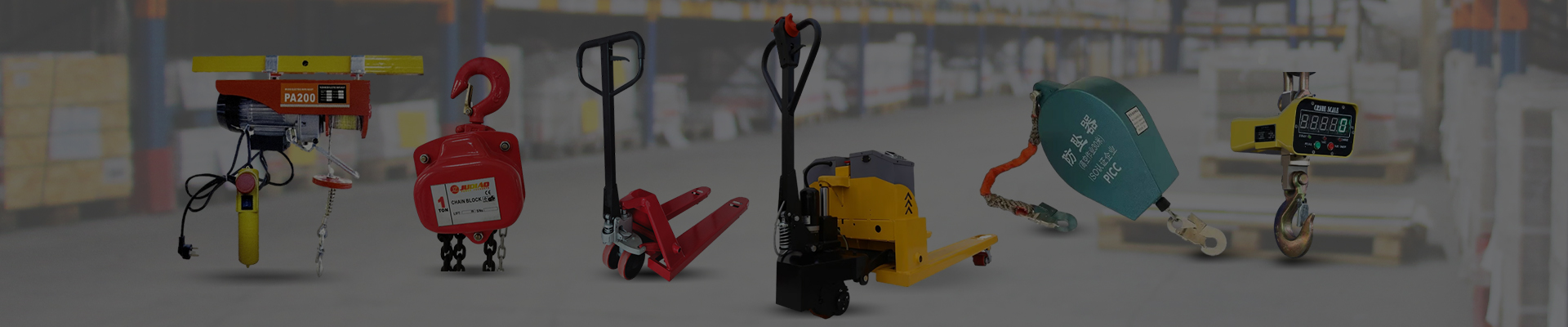


The 30 chain hoist is a versatile lifting tool commonly used in various industrial and commercial applications. It provides a reliable and efficient way to lift heavy objects, making it an essential component for tasks ranging from construction and manufacturing to warehousing and maintenance. This article will provide a detailed overview of 30 chain hoists, covering their features, applications, safety considerations, and factors to consider when selecting the right hoist for your needs. Understanding the capabilities of a chain hoist is critical for safe and effective operation.
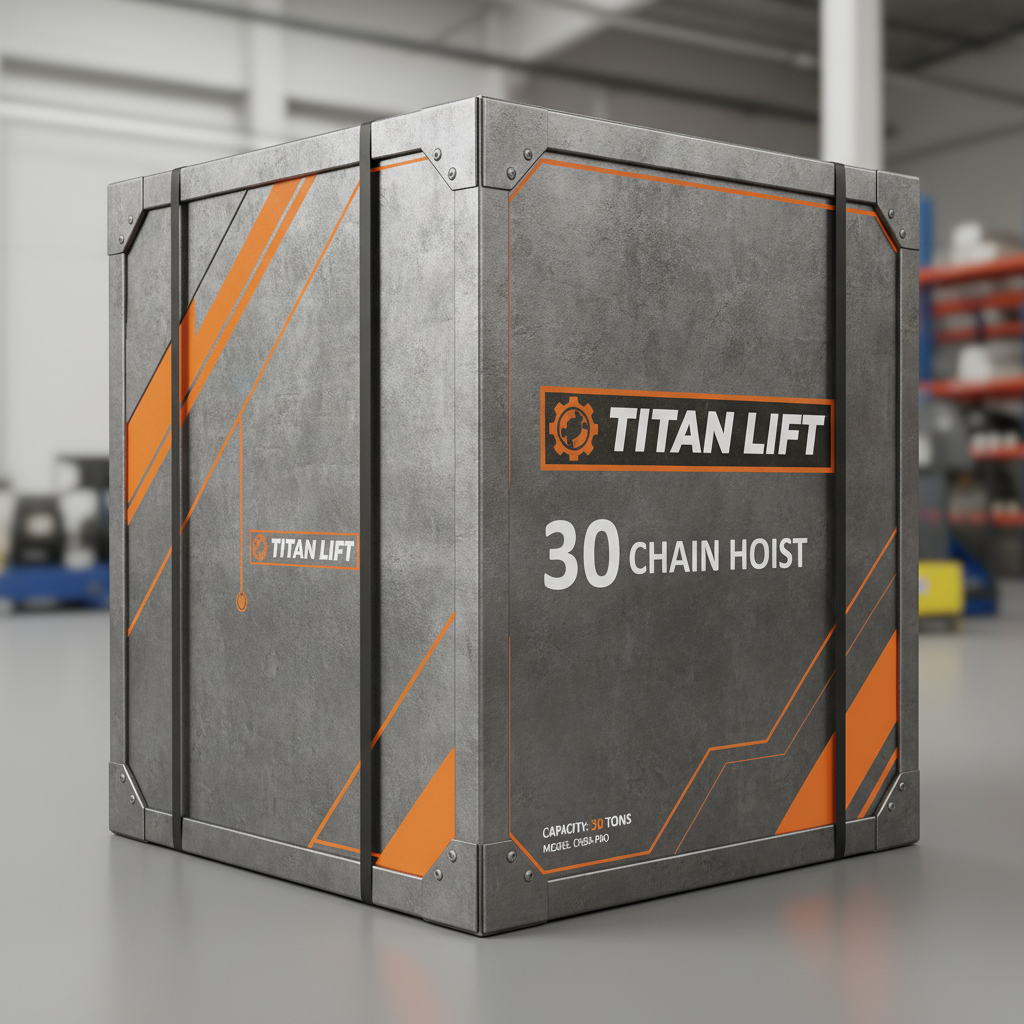
A 30 chain hoist is a manual lifting device that utilizes a chain and a series of gears to lift or lower a load. The "30" refers to the nominal capacity of the hoist, indicating it's designed to safely lift loads of up to 30 tons (60,000 lbs). These hoists are known for their durability, relatively low maintenance requirements, and ability to operate without electricity. They’re ideal for situations where power access is limited or where a controlled, manual lifting operation is preferred. The robust construction of a chain hoist ensures long-term reliability in demanding environments.
Key Highlights: Manual lifting device with a 30-ton capacity, durable construction, and suitability for diverse industrial applications.
A typical 30 chain hoist includes several key components. The lifting chain, made from high-strength alloy steel, is the primary mechanism for lifting the load. A hand wheel or lever operates a gear train, which in turn raises or lowers the chain. A hook, securely attached to the chain, is used to connect to the load. High-quality hoists also incorporate features like overload protection and robust braking mechanisms to ensure safe operation. Qyjuli's 30 chain hoists are designed with these critical features to provide exceptional performance and safety.
Essential Components:
• High-strength lifting chain
• Hand wheel or lever
• Gear train mechanism
• Secure lifting hook
30 chain hoists are utilized in a wide range of industries and applications. Common uses include lifting heavy machinery in manufacturing plants, positioning large components during construction projects, loading and unloading heavy materials in warehouses, and performing maintenance on industrial equipment. They are particularly valuable in situations where precise lifting and positioning are required. The Qyjuli range of chain hoists is suitable for these demanding environments.
When selecting a 30 chain hoist, several factors should be considered. The lifting height required, the duty cycle (how frequently the hoist will be used), and the specific environment in which it will operate are all important. It’s crucial to choose a hoist with a safety factor that exceeds your expected load to account for potential overloads or dynamic forces. Qyjuli offers a variety of 30 chain hoist configurations to meet diverse operational requirements.
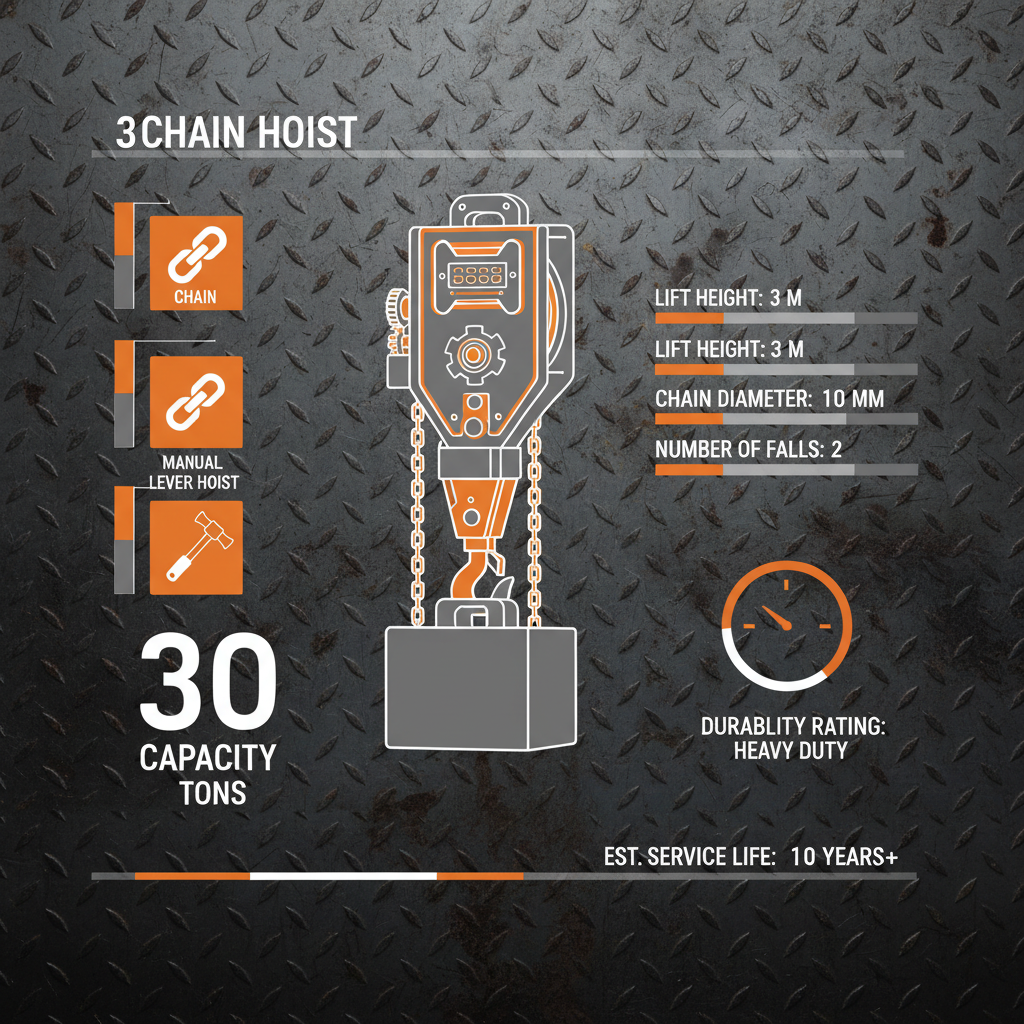
Safety is paramount when operating a 30 chain hoist. Always inspect the hoist before each use, checking for any signs of damage to the chain, hook, or gear train. Ensure the load is properly secured and balanced before lifting. Never exceed the rated capacity of the hoist. Keep hands and feet clear of the load path during operation. Regularly lubricate the hoist to maintain smooth operation. Proper training and adherence to safety guidelines are essential for preventing accidents. Qyjuli provides comprehensive safety guidelines along with our products.
Selecting the right 30 chain hoist is crucial for ensuring safe and efficient lifting operations. Factors such as load capacity, lifting height, duty cycle, and safety features should all be carefully considered. Qyjuli provides a wide range of high-quality 30 chain hoists designed to meet the demands of various industrial applications. Investing in a reliable and well-maintained hoist will contribute to a safer and more productive work environment.
The lifespan of a 30 chain hoist varies depending on usage frequency, load weight, and maintenance. With regular inspection and lubrication, a well-maintained hoist can last for many years. However, it’s generally recommended to replace the hoist every 5-10 years, or sooner if it shows signs of wear or damage. Consistent overloading, exposure to harsh environments, or lack of maintenance will significantly shorten its lifespan. Regular professional inspections are also recommended.
Before each use, thoroughly inspect the chain for kinks, corrosion, or worn links. Check the hook for cracks or deformation. Ensure the lifting mechanism operates smoothly and the brake engages properly. Verify that all components are securely fastened. Never use a hoist that shows any signs of damage or malfunction. A pre-use inspection checklist is a recommended safety practice.
Yes, but it's crucial to select a hoist specifically designed for outdoor use. These hoists typically feature corrosion-resistant coatings and sealed components to protect against the elements. Avoid using standard hoists in wet or corrosive environments, as this can lead to premature failure. Proper storage when not in use is also essential to prevent rust and corrosion.
While both chain hoists and lever hoists use a chain to lift loads, they differ in their operation. A chain hoist typically uses a hand wheel to lift the load incrementally, allowing for precise positioning. A lever hoist, on the other hand, uses a lever to lift the load in shorter, more forceful pulls. Lever hoists are often preferred for applications where a short lifting distance is required or where space is limited.


 Afrikaans
 Albanian
 Amharic
 Arabic
 Armenian
 Azerbaijani
 Basque
 Belarusian
 Bengali
 Bosnian
 Bulgarian
 Catalan
 Cebuano
 China
China
 China (Taiwan)
 Corsican
 Croatian
 Czech
Czech
 Danish
 Dutch
Dutch
 Esperanto
 Estonian
 Finnish
 French
 Frisian
 Galician
 Georgian
 German
 Greek
Greek
 Gujarati
 Haitian Creole
 Hausa
Hausa
 Hawaiian
 Hebrew
 Hindi
Hindi
 Miao
Miao
 Hungarian
 Icelandic
 Igbo
Igbo
 Indonesian
 Irish
Irish
 Italian
 Japanese
 Javanese
 Kannada
 Kazakh
 Khmer
Khmer
 Rwandese
 Korean
 Kurdish
 Kyrgyz
 Lao
Lao
 Latin
Latin
 Latvian
 Lithuanian
 Luxembourgish
 Macedonian
 Malgashi
 Malay
Malay
 Malayalam
 Maltese
 Maori
Maori
 Marathi
 Mongolian
 Myanmar
 Nepali
 Norwegian
 Norwegian
 Occitan
 Pashto
 Persian
 Polish
 Portuguese
 Punjabi
 Romanian
 Russian
 Samoan
 Scottish Gaelic
 Serbian
 Sesotho
 Shona
Shona
 Sindhi
 Sinhala
 Slovak
 Slovenian
 Somali
 Spanish
 Sundanese
 Swahili
 Swedish
 Tagalog
 Tajik
Tajik
 Tamil
Tamil
 Tatar
Tatar
 Telugu
 Thai
Thai
 Turkish
 Turkmen
 Ukrainian
 Urdu
Urdu
 Uighur
 Uzbek
Uzbek
 Vietnamese
 Welsh
Welsh
 Bantu
Bantu
 Yiddish
 Yoruba
 Zulu
Zulu
 English