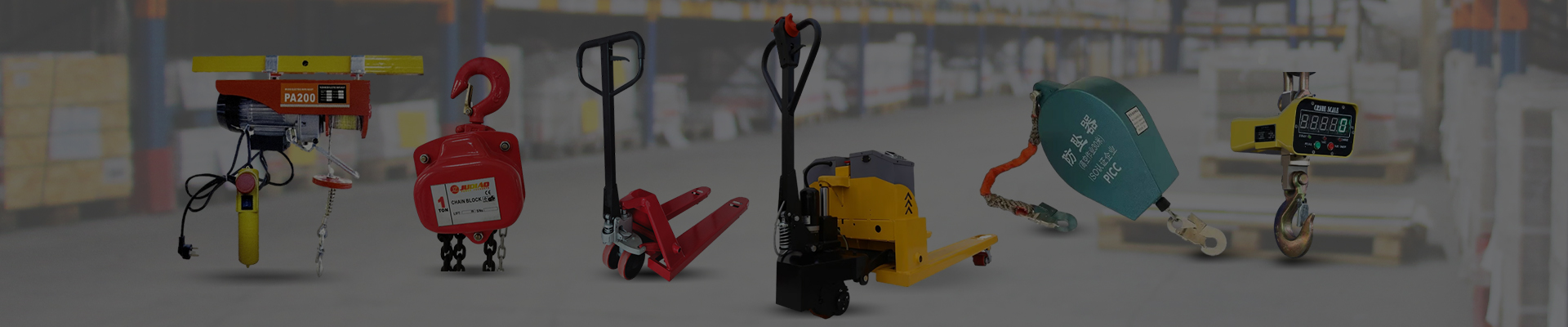


In the fast-paced world of industry, construction, and rescue operations, having equipment that is both reliable and adaptable means everything. Enter the small hoist winch — a compact powerhouse that quietly underpins many operations worldwide. But why does this nifty tool matter so much, and why should you care?
Simply put, understanding the small hoist winch means getting to grips with how modern industries and emergency responders tackle tough lifting and pulling tasks efficiently and safely. Whether it’s hoisting tools up a narrow shaft or lifting aid materials in disaster zones, the small hoist winch blends strength and portability. That’s why it’s worth diving into what makes it tick, how it’s changing sectors globally, and the benefits it delivers — from cost savings to better safety standards.
World Bank data highlights that global construction output is expected to grow over 85% by 2030, especially in fast-developing regions. This surging demand puts a spotlight on equipment that’s both cost-efficient and robust. The small hoist winch fills this gap, offering a compact alternative to heavy machinery without compromising performance.
Additionally, according to the International Organization for Standardization (ISO), workplace safety standards are becoming stricter worldwide, especially concerning lifting operations. Small hoist winches help meet these guidelines by minimizing manual handling risks, thanks to their controlled lifting capabilities.
But here’s the rub — many industries, from mining in remote African regions to humanitarian operations in Asia, face tricky logistical challenges. Large cranes can’t always get through rough terrain or tight spaces, making small hoist winches more than just a convenience; they’re essential tools for efficiency and safety.
Mini takeaway: The small hoist winch sits at the crossroads of global industry growth and rising safety demands, proving indispensable in places where space, cost, and risk are critical factors.
If you’ve ever struggled with hauling or lifting something heavy, imagine a device designed to do just that — but purpose-built to be small, portable, yet powerful enough to lift several hundred kilograms with ease. A small hoist winch is an electrically or manually operated device that winds rope or cable around a drum, converting rotational motion into pulling force.
Think of it as a versatile muscle with a compact frame. It’s commonly used in construction, warehousing, vehicle recovery, and even in humanitarian missions for getting supplies into inaccessible areas. The “small” descriptor refers both to its physical size and its lifting range, which typically caps under 1,000 kg — perfect for jobs where space and portability are vital.
Mini takeaway: Simply put, small hoist winches bring big lifting power in a small package, bridging gaps where larger lifting equipment would falter.
These winches often face harsh environmental conditions — dust, moisture, and mechanical stresses. That’s why many models feature corrosion-resistant metals and protective coatings. A solid build ensures they don’t give up when the job gets tough.
The weight and dimensions must allow one or two people to transport and set up the winch easily. I’ve seen engineers in mountain rescue teams carry these into difficult terrain like hiking gear — insane but true.
From battery-operated to manual cranks and electric motor-driven systems, small hoist winches come in many flavors. Battery options allow flexibility in remote areas lacking electrical infrastructure but tend to trade off some power and runtime.
Many winches can be fitted with different rope lengths, cable types, and control modules. This adaptability makes them suitable for diverse tasks — from simple garage lifts to complex industrial operations.
Brakes, overload sensors, and emergency stop functions are essential. These features prevent accidents, protecting both the user and the materials handled.
| Specification | Value/Range | Remarks |
|---|---|---|
| Lifting Capacity | 100–1000 kg | Depends on model and cable strength |
| Power Type | Electric, Manual, Battery | Electric common for industrial use |
| Weight | 10–30 kg | Portable by 1–2 operators |
| Cable Length | 10–50 meters | Varies with application |
| Material | Steel & Aluminum alloys | Steel for strength, aluminum for weight savings |
From what I’ve gathered and what engineers keep buzzing about, these little giants turn up everywhere.
Mini takeaway: The small hoist winch has carved out niche roles across the globe, especially where agility trumps brute strength.
What’s really cool — and often overlooked — is how small hoist winches impact workers and communities over the long term.
Oddly enough, this combination of logical savings and emotional comfort makes small hoist winches a favorite for forward-looking companies.
The next generation of small hoist winches is shaping up to be smart and green. Some notable shifts include:
It feels like a small tool, but the future’s bright — and electrified.
Of course, no device is perfect. Common issues include:
Thankfully, vendors and field operators are tackling these with modular battery swap systems, advanced training programs, and ruggedized designs.
| Brand | Lifting Capacity | Power Source | Weight (kg) | Ruggedness | Price Range ($) |
|---|---|---|---|---|---|
| LiftPro | 500 kg | Electric | 22 | High (IP65 rated) | 1,200 - 1,500 |
| MiniHoist | 300 kg | Battery | 15 | Medium | 1,000 - 1,300 |
| EcoLift | 400 kg | Manual / Electric Hybrid | 18 | High | 950 - 1,250 |
The small hoist winch stands out as a tool that quietly transforms operations worldwide. Its blend of portability, strength, and safety addresses the complex on-site challenges facing industries, humanitarian agents, and rescue teams alike. As technology progresses, these winches only get smarter, lighter, and greener—making them even more indispensable.
If you want to explore models tailored to your needs or keep up with the latest in hoist winches, visit our website. There’s more to lifting than meets the eye, and small hoist winches are leading the charge, lifting both loads and expectations.
Mini takeaway: Investing in the right small hoist winch means safer, faster, and smarter lifting — whether you’re on a crowded urban site or a remote mountain rescue.


 Afrikaans
 Albanian
 Amharic
 Arabic
 Armenian
 Azerbaijani
 Basque
 Belarusian
 Bengali
 Bosnian
 Bulgarian
 Catalan
 Cebuano
 China
China
 China (Taiwan)
 Corsican
 Croatian
 Czech
Czech
 Danish
 Dutch
Dutch
 Esperanto
 Estonian
 Finnish
 French
 Frisian
 Galician
 Georgian
 German
 Greek
Greek
 Gujarati
 Haitian Creole
 Hausa
Hausa
 Hawaiian
 Hebrew
 Hindi
Hindi
 Miao
Miao
 Hungarian
 Icelandic
 Igbo
Igbo
 Indonesian
 Irish
Irish
 Italian
 Japanese
 Javanese
 Kannada
 Kazakh
 Khmer
Khmer
 Rwandese
 Korean
 Kurdish
 Kyrgyz
 Lao
Lao
 Latin
Latin
 Latvian
 Lithuanian
 Luxembourgish
 Macedonian
 Malgashi
 Malay
Malay
 Malayalam
 Maltese
 Maori
Maori
 Marathi
 Mongolian
 Myanmar
 Nepali
 Norwegian
 Norwegian
 Occitan
 Pashto
 Persian
 Polish
 Portuguese
 Punjabi
 Romanian
 Russian
 Samoan
 Scottish Gaelic
 Serbian
 Sesotho
 Shona
Shona
 Sindhi
 Sinhala
 Slovak
 Slovenian
 Somali
 Spanish
 Sundanese
 Swahili
 Swedish
 Tagalog
 Tajik
Tajik
 Tamil
Tamil
 Tatar
Tatar
 Telugu
 Thai
Thai
 Turkish
 Turkmen
 Ukrainian
 Urdu
Urdu
 Uighur
 Uzbek
Uzbek
 Vietnamese
 Welsh
Welsh
 Bantu
Bantu
 Yiddish
 Yoruba
 Zulu
Zulu
 English