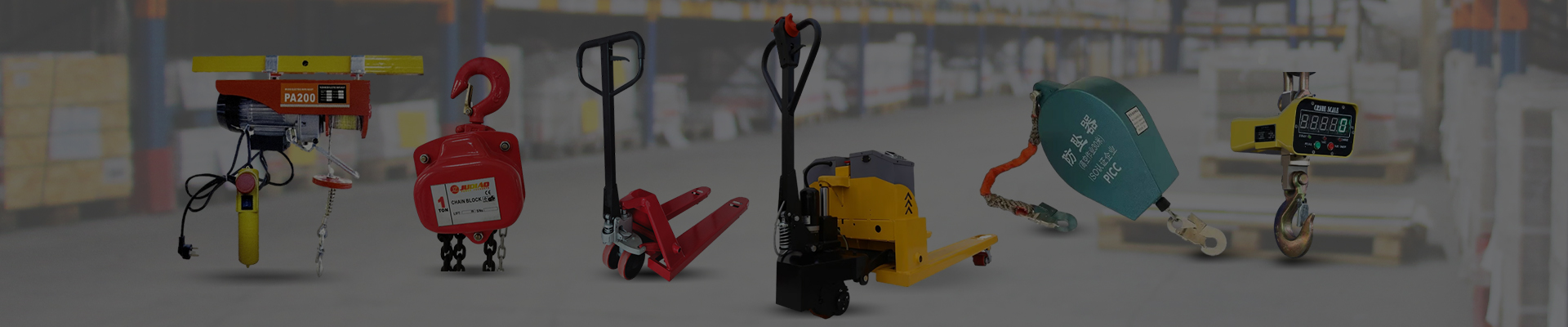


Having spent quite a few years in the industrial equipment sector—mostly around mining operations and heavy construction—I've come to appreciate how crucial roof fall arrest systems really are. Not just for compliance, but because they can save lives in the most unexpected moments. Frankly, it’s one of those safety measures that feels obvious when you see it in action, yet somehow underrated until it matters.
Roof fall arrest systems are designed to prevent or mitigate the collapse or fall of overhead structures in indoor and outdoor industrial environments. Think underground mines with rocky ceilings or warehouses with aging steel roofs. The unpredictability of structural integrity means companies can’t afford a “wait and see” approach. It reminds me of a project a few years ago where we helped a client customize their fall arrest gear—adding modular components to suit specific ceiling profiles. It’s that level of detail and adaptation which marks the difference between a “just meets standards” setup and a truly reliable system.
Oddly enough, many engineers argue the best roof fall arrest equipment starts with the materials used. Steel alloys with higher tensile strength, coupled with galvanized coatings for corrosion resistance, dominate the market. It’s sort of a “you get what you pay for” situation, where skimping often results in reduced lifespan and potential safety hazards down the line.
| Specification | Value / Range |
|---|---|
| Material | High-strength steel alloy (AISI 4130 or equivalent) |
| Load Capacity | Up to 25 kN (kilonewtons) |
| Coating | Hot-dip galvanization or powder coated finish |
| Mounting Options | Adjustable clamps, anchor bolts, modular brackets |
| Certifications | EN 795, OSHA compliance, ISO 9001 quality management |
| Weight | Typically 7-15 kg per unit depending on configuration |
When it comes down to choosing a vendor, it’s important to look beyond price alone. I remember a case where a cheaper unit was installed quickly, only to have corrosion issues within six months due to subpar galvanizing. That didn’t just cost money in replacements — it risked worker safety, which no one can put a price on.
| Vendor | Material Quality | Customization Options | Warranty | Price Range |
|---|---|---|---|---|
| SteelGuard Pro | Excellent (AISI 4130 alloy) | High (modular brackets & custom fittings) | 5 years | $$$ |
| SafeCeil Industrial | Good (standard galvanized steel) | Medium (preset configurations) | 3 years | $$ |
| RoofSafe Solutions | Fair (basic steel grades) | Low (limited customization) | 2 years | $ |
In real terms, investing in a solid roof fall arrest system means peace of mind. The benefit goes beyond just ticking safety boxes on the paperwork; it directly impacts daily morale and operational continuity. I suppose it’s easy to forget how much each structural element overhead holds up until it suddenly doesn’t. I've seen near-misses that force you to respect the strength—and vulnerabilities—of a well-secured roof.
Also, the industry has shifted somewhat in recent years. Innovations like smart sensors integrated into arrest systems promise real-time monitoring, but those are still emerging and expensive. For now, proven mechanical integrity and careful installation remain our best tools.
Choosing a trusted supplier means asking plenty of questions. How’s the product tested? What about field conditions? Has anyone in a similar industry used their system successfully? If you want to browse reliable solutions, check out roof fall arrest products from reputable manufacturers who value safety above all else.
To wrap up: the right roof fall arrest system—thoughtfully selected and maintained—isn't just equipment. It’s a statement about how seriously a company treats safety and worker welfare. That, frankly, never goes out of fashion.
References:


 Afrikaans
 Albanian
 Amharic
 Arabic
 Armenian
 Azerbaijani
 Basque
 Belarusian
 Bengali
 Bosnian
 Bulgarian
 Catalan
 Cebuano
 China
China
 China (Taiwan)
 Corsican
 Croatian
 Czech
Czech
 Danish
 Dutch
Dutch
 Esperanto
 Estonian
 Finnish
 French
 Frisian
 Galician
 Georgian
 German
 Greek
Greek
 Gujarati
 Haitian Creole
 Hausa
Hausa
 Hawaiian
 Hebrew
 Hindi
Hindi
 Miao
Miao
 Hungarian
 Icelandic
 Igbo
Igbo
 Indonesian
 Irish
Irish
 Italian
 Japanese
 Javanese
 Kannada
 Kazakh
 Khmer
Khmer
 Rwandese
 Korean
 Kurdish
 Kyrgyz
 Lao
Lao
 Latin
Latin
 Latvian
 Lithuanian
 Luxembourgish
 Macedonian
 Malgashi
 Malay
Malay
 Malayalam
 Maltese
 Maori
Maori
 Marathi
 Mongolian
 Myanmar
 Nepali
 Norwegian
 Norwegian
 Occitan
 Pashto
 Persian
 Polish
 Portuguese
 Punjabi
 Romanian
 Russian
 Samoan
 Scottish Gaelic
 Serbian
 Sesotho
 Shona
Shona
 Sindhi
 Sinhala
 Slovak
 Slovenian
 Somali
 Spanish
 Sundanese
 Swahili
 Swedish
 Tagalog
 Tajik
Tajik
 Tamil
Tamil
 Tatar
Tatar
 Telugu
 Thai
Thai
 Turkish
 Turkmen
 Ukrainian
 Urdu
Urdu
 Uighur
 Uzbek
Uzbek
 Vietnamese
 Welsh
Welsh
 Bantu
Bantu
 Yiddish
 Yoruba
 Zulu
Zulu
 English