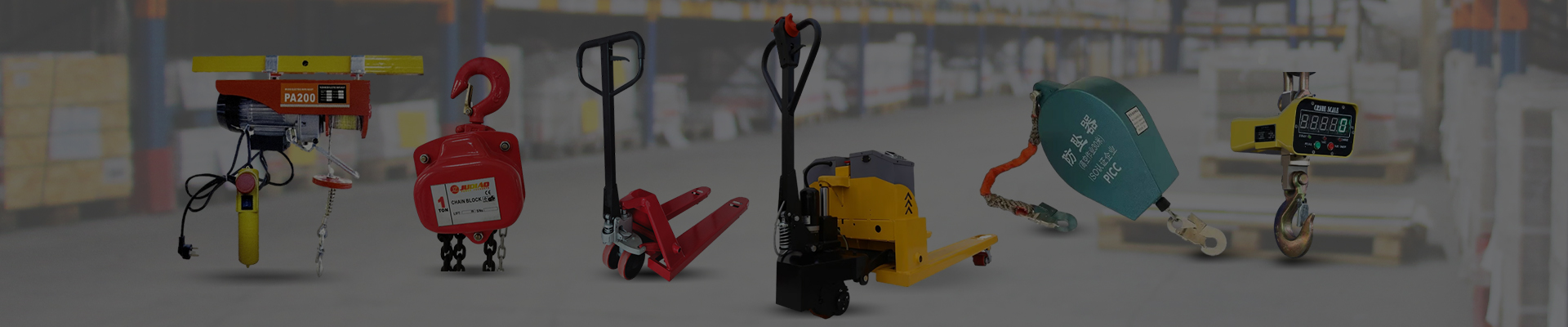


At first glance, the mini hoist electric might seem like just another tool in the vast realm of industrial equipment. But look closer, and you’ll find it’s a surprisingly vital player across multiple industries worldwide. Why does it matter? In a world racing toward smarter, more compact, and safer lifting solutions, these electric mini hoists pack a punch by making heavy-lifting tasks efficient, reliable, and eco-friendlier — from construction sites in dense urban centers to remote emergency zones where every bit of mechanical muscle counts.
Why this surge in demand for mini hoist electric systems? Data from the International Organization for Standardization (ISO) and UN industry reports highlight a growing trend: companies and governments seek equipment that balances power with portability and environmental care. In 2023, approximately 40% of global material handling growth was attributed to lightweight, electric-powered solutions tailored for tight spaces and stringent safety regulations.[1] Urban construction projects face space constraints while maintaining worker safety and reducing emissions — challenges pressing enough to push innovation toward these mini hoists.
Here’s the rub: traditional hoists look bulky, noisy, and often require extensive manual input or combustion-powered engines. For firms aiming to digitize operations or adhere to tough green standards, mini electric hoists provide an answer — albeit not a perfect one. Let's unpack what these devices actually are.
A mini hoist electric is basically a compact, electrically-powered lifting device designed to move or suspend heavy loads in tight and controlled setups. Unlike its larger cousins, it’s built to offer precision, reduce user fatigue, and integrate with modern safety systems. For example, think about a construction site’s narrow scaffolding — a mini hoist electric can fit snugly, lift loads quickly, and minimize noise.
It’s not just about worksite efficiency. Relief organizations deploying aid to difficult-to-access regions see these hoists as lifesavers — literally — in moving materials rapidly without depending on diesel power, which may be scarce or hazardous in some environments.
Durability is non-negotiable. Many mini hoists are built with steel alloy hooks, gearboxes sealed against dust and moisture, and motors optimized for continual operation. Reliable equipment prevents downtime — a principle any operations manager swears by.
Despite their size, mini electric hoists can lift loads ranging roughly from 100 kg up to 2,000 kg. This range means versatility: they can handle delicate, precise tasks or move bigger burdens with finesse.
Electric hoists typically include overload protection, emergency stop buttons, and limit switches to prevent over-travel of the lifting hook. Some come with wireless remote control, adding ease without jeopardizing safety.
The true charm lies in how quickly you can put one to work. Mini hoists require minimal rigging and often weigh under 30 kg, meaning they can be repositioned by a small crew easily.
Compared to hydraulic or combustion-powered hoists, electric variants emit zero on-site emissions and often consume less energy, especially when paired with energy-efficient motors and regenerative braking technologies.
The real magic happens when these devices step into the field. Let’s consider a few practical scenes:
An interesting tidbit: some mining operations in Australia have adopted mini electric hoists underground to replace diesel hydraulics, reducing carbon footprints and ventilation costs.
| Feature | Specification |
|---|---|
| Load Capacity | 500 kg |
| Motor Power | 1.5 kW, 220V AC |
| Lifting Speed | 8 m/min (variable speed) |
| Weight | 28 kg |
| Control Type | Wireless Remote + Manual |
| Safety Features | Overload Protection, Emergency Stop, Limit Switch |
Embracing a mini hoist electric solution isn’t just an upgrade — it’s a shift toward sustainable, safe, and smart operations. Here are some strong reasons:
In a somewhat emotional sense, the peace of mind knowing that a mini hoist electric can safely save lives or ensure timely project completion is priceless.
The mini hoist electric market is buzzing with promising advancements.
Frankly, as digital transformation spreads across industry lines, mini electric hoists will be a key node in interconnected supply chains and smart infrastructure projects.
Nothing’s perfect. Common issues users cite include:
Solutions? Hybrid power units combining solar-charged batteries, scalable multiple hoist setups, and leasing models ease upfront costs. Many engineers also recommend thorough staff training to maximize safety and ROI.
| Vendor | Load Capacity Range | Price Range | Safety Features | Availability (Global) |
|---|---|---|---|---|
| LiftTech Corp. | 200 kg – 1,500 kg | $$$ | Full Overload & Emergency Stop | Worldwide |
| EcoHoist Solutions | 100 kg – 800 kg | $$ | Smart Load Sensors, WARN Alerts | Europe, Asia |
| Global Lift Systems | 300 kg – 2,000 kg | $$$+ | Wireless Controls, Chain Brake | Worldwide |
Mini electric hoists are more compact, often wireless, and designed for precise operations in tight or temporary setups. Unlike traditional rope or hydraulic hoists, they usually emit less noise and pollution, feature advanced safety measures, and integrate better with digital controls.
Yes, many models come with IP-rated enclosures protecting against dust and water ingress. Still, users should verify weatherproof ratings and consider protective covers or tents for extreme conditions.
Routine inspections include checking cables, lubricating moving parts, verifying electrical connections, and testing safety devices. Following manufacturer schedules ensures optimal longevity and performance.
Absolutely. Many vendors offer models with IoT connectivity, allowing integration into robotic assembly lines or smart warehouses for remote monitoring and control.
Trusted vendors include mini hoist electric suppliers like QYJuli, regional distributors, and industry expos. Comparing specs and warranty terms is recommended.
Scaling operations responsibly means embracing technology that’s efficient, safe, and adaptable. Mini hoist electric devices check all those boxes in ways large machinery simply can’t. They suit our tightening spaces, speeding global pace, and environmental ambitions — making them a staple across industry sectors worldwide.
For those curious to learn more or find the perfect hoist for their needs, I encourage you to visit this trusted resource where innovation meets practical solutions.


 Afrikaans
 Albanian
 Amharic
 Arabic
 Armenian
 Azerbaijani
 Basque
 Belarusian
 Bengali
 Bosnian
 Bulgarian
 Catalan
 Cebuano
 China
China
 China (Taiwan)
 Corsican
 Croatian
 Czech
Czech
 Danish
 Dutch
Dutch
 Esperanto
 Estonian
 Finnish
 French
 Frisian
 Galician
 Georgian
 German
 Greek
Greek
 Gujarati
 Haitian Creole
 Hausa
Hausa
 Hawaiian
 Hebrew
 Hindi
Hindi
 Miao
Miao
 Hungarian
 Icelandic
 Igbo
Igbo
 Indonesian
 Irish
Irish
 Italian
 Japanese
 Javanese
 Kannada
 Kazakh
 Khmer
Khmer
 Rwandese
 Korean
 Kurdish
 Kyrgyz
 Lao
Lao
 Latin
Latin
 Latvian
 Lithuanian
 Luxembourgish
 Macedonian
 Malgashi
 Malay
Malay
 Malayalam
 Maltese
 Maori
Maori
 Marathi
 Mongolian
 Myanmar
 Nepali
 Norwegian
 Norwegian
 Occitan
 Pashto
 Persian
 Polish
 Portuguese
 Punjabi
 Romanian
 Russian
 Samoan
 Scottish Gaelic
 Serbian
 Sesotho
 Shona
Shona
 Sindhi
 Sinhala
 Slovak
 Slovenian
 Somali
 Spanish
 Sundanese
 Swahili
 Swedish
 Tagalog
 Tajik
Tajik
 Tamil
Tamil
 Tatar
Tatar
 Telugu
 Thai
Thai
 Turkish
 Turkmen
 Ukrainian
 Urdu
Urdu
 Uighur
 Uzbek
Uzbek
 Vietnamese
 Welsh
Welsh
 Bantu
Bantu
 Yiddish
 Yoruba
 Zulu
Zulu
 English