


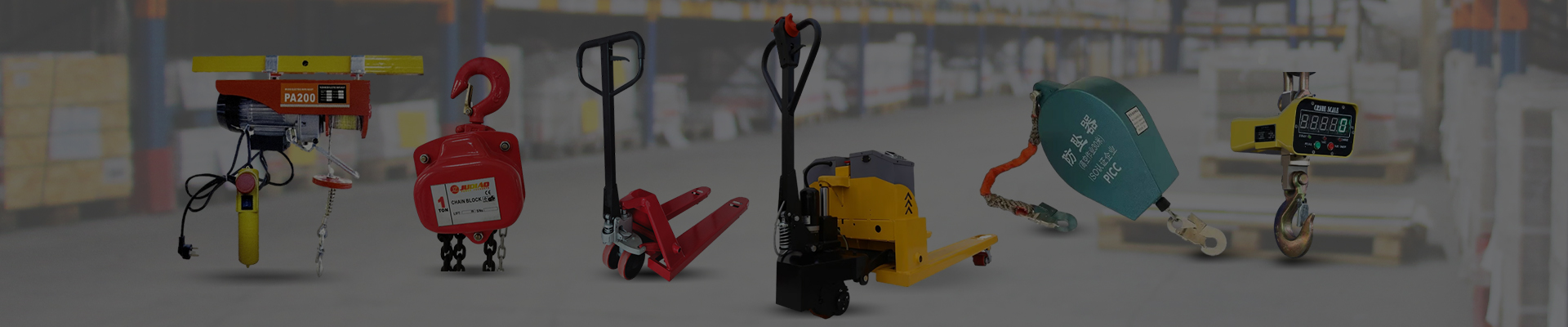
If you’ve ever been involved in lifting equipment procurement or heavy machinery handling, chances are you’ve encountered chain blocks. Specifically, the 1.5 ton chain block price is a key factor many businesses and organizations consider globally. At face value, it’s just a number, but it’s packed with layers of industrial significance, budget balancing, and operational safety.
Worldwide, industries from construction to humanitarian relief rely on chain blocks to move heavy loads efficiently and safely. Knowing the cost and characteristics of a 1.5 ton chain block isn’t just about numbers—it’s about optimizing workflows, ensuring worker safety, and even tackling challenges like infrastructure rebuilding after disasters.
According to data from the International Standards Organization (ISO) and the World Bank, construction and logistics sectors contribute significantly to global GDP and employment. Chain blocks are ubiquitous tools within these sectors. However, pricing fluctuations can affect project budgets, especially in developing regions where cost-efficiency is critical.
One challenge is balancing affordability with safety and durability. A substandard chain block might have a tempting price tag, but could lead to equipment failure or serious injuries. Therefore, understanding the composition of the 1.5 ton chain block price helps decision-makers pick the best fit.
Simply put, a chain block is a manual hoisting mechanism that uses a chain to lift or pull heavy weights, and the “1.5 ton” label indicates its maximum lifting capacity—meaning it can safely handle loads up to 1.5 tons (roughly 1500 kilograms).
The 1.5 ton chain block price reflects the cost to purchase this durable, reliable lifting device. It accounts for materials, build quality, brand reputation, and features like chain length, durability, and safety certifications.
From heavy industries to humanitarian efforts—where moving supplies or rebuilding damaged structures is critical—this equipment acts as an unsung hero in material handling.
Many chain blocks are forged from high-grade steel or alloy that can withstand harsh environments. Brands offering corrosion-resistant coatings or heat-treated chains generally charge a premium. In real terms, better materials protect your investment and reduce replacement frequency.
While 1.5 tons is the nominal capacity, verified certifications like CE, OSHA, or ISO confirm that the device meets strict safety standards. Certified units tend to be pricier but avoid compliance headaches and liability risks.
Longer chains with smooth, low-friction mechanisms improve usability and speed of lifts but might affect overall price. Some units come with load brakes or ergonomic handles—features that add to cost yet enhance user experience.
Established vendors offering solid warranties usually reflect higher prices. Frankly, it’s the peace of mind factor; many engineers prefer paying a bit more upfront rather than risking failures mid-project.
| Specification | Details |
|---|---|
| Maximum Capacity | 1.5 tons (1500 kg) |
| Load Chain Material | Alloy Steel, Heat-treated |
| Standard Lift Height | 3 meters (customizable) |
| Net Weight | Around 12 kg |
| Certifications | ISO 9001, CE, OSHA |
| Warranty | 1-3 years, depending on model |
| Vendor | Price Range (USD) | Warranty | Key Features |
|---|---|---|---|
| Alpha Lifting Co. | $120 - $140 | 2 years | Marine-grade coating, Safety brake |
| LiftMax Solutions | $110 - $130 | 1 year | Lightweight, Compact design |
| Global Hoist | $125 - $150 | 3 years | Heavy-duty chain, Extended warranty |
From bustling industrial zones in Asia to remote mining operations in Africa, the 1.5 ton chain block is vital. In Southeast Asia’s construction boom, it helps workers safely hoist building materials in narrow spaces where cranes can’t fit. Oddly enough, even NGOs in disaster-stricken regions often rely on such portable lifting devices to expedite relief efforts—lifting supplies or rebuilding makeshift infrastructure.
In fact, the UN Office for Disaster Risk Reduction emphasizes equipment reliability like chain blocks in its guidelines to reduce hazards during post-disaster reconstruction.1 So, knowing the 1.5 ton chain block price assists organizations budgeting under tight constraints while maintaining efficiency.
Automation and digital integration—such as IoT-enabled load monitoring—are starting to trickle into manual equipment. Some experimental models feature smart load sensors that alert users in real time if the load nears unsafe limits. Materials science also contributes: researchers work on corrosion-resistant coatings and ultra-light chains that don’t sacrifice strength.
Additionally, green manufacturing initiatives encourage vendors to reduce environmental footprints in production and packaging. It’s not mainstream yet, but I expect pricing to increasingly reflect these innovations soon.
Price variation due to import tariffs, supply chain delays, and fluctuating raw material costs often confuse buyers. Also, not all vendors maintain consistent quality, which complicates warranty claims.
One expert approach: verify certifications and insist on transparent vendor quotes. Using established suppliers—like those listed above—can mitigate risks. Frankly, spending a bit more time upfront saves headaches later.
Materials and certifications are key. Alloy steel with heat treatment, compliance with ISO or OSHA standards, and warranty length majorly influence price.
Yes, manufacturers usually offer custom chain lengths. There might be an incremental cost, but it’s fairly reasonable depending on order size.
Not always, but very low prices often mean lower quality or missing certifications, which pose safety risks and hidden costs.
By choosing reliable but cost-effective models, NGOs can quickly deploy lifting tools on site, easing transport and reconstruction needs under tight budgets.
The 1.5 ton chain block price is more than a number; it’s a window into balancing cost, safety, and efficiency for a wide array of industries worldwide. Understanding the main drivers behind the price helps buyers make informed decisions that safeguard workers, budgets, and project timelines.
For anyone looking to acquire or learn more about dependable, efficient lifting tools, I highly recommend visiting https://www.qyjuli.com to explore competitive options and expert advice.
Oddly enough, something as simple as a chain block can tell you a lot about the complexities and clever engineering behind everyday industry tools.


 Afrikaans
 Albanian
 Amharic
 Arabic
 Armenian
 Azerbaijani
 Basque
 Belarusian
 Bengali
 Bosnian
 Bulgarian
 Catalan
 Cebuano
 China
China
 China (Taiwan)
 Corsican
 Croatian
 Czech
Czech
 Danish
 Dutch
Dutch
 Esperanto
 Estonian
 Finnish
 French
 Frisian
 Galician
 Georgian
 German
 Greek
Greek
 Gujarati
 Haitian Creole
 Hausa
Hausa
 Hawaiian
 Hebrew
 Hindi
Hindi
 Miao
Miao
 Hungarian
 Icelandic
 Igbo
Igbo
 Indonesian
 Irish
Irish
 Italian
 Japanese
 Javanese
 Kannada
 Kazakh
 Khmer
Khmer
 Rwandese
 Korean
 Kurdish
 Kyrgyz
 Lao
Lao
 Latin
Latin
 Latvian
 Lithuanian
 Luxembourgish
 Macedonian
 Malgashi
 Malay
Malay
 Malayalam
 Maltese
 Maori
Maori
 Marathi
 Mongolian
 Myanmar
 Nepali
 Norwegian
 Norwegian
 Occitan
 Pashto
 Persian
 Polish
 Portuguese
 Punjabi
 Romanian
 Russian
 Samoan
 Scottish Gaelic
 Serbian
 Sesotho
 Shona
Shona
 Sindhi
 Sinhala
 Slovak
 Slovenian
 Somali
 Spanish
 Sundanese
 Swahili
 Swedish
 Tagalog
 Tajik
Tajik
 Tamil
Tamil
 Tatar
Tatar
 Telugu
 Thai
Thai
 Turkish
 Turkmen
 Ukrainian
 Urdu
Urdu
 Uighur
 Uzbek
Uzbek
 Vietnamese
 Welsh
Welsh
 Bantu
Bantu
 Yiddish
 Yoruba
 Zulu
Zulu
 English