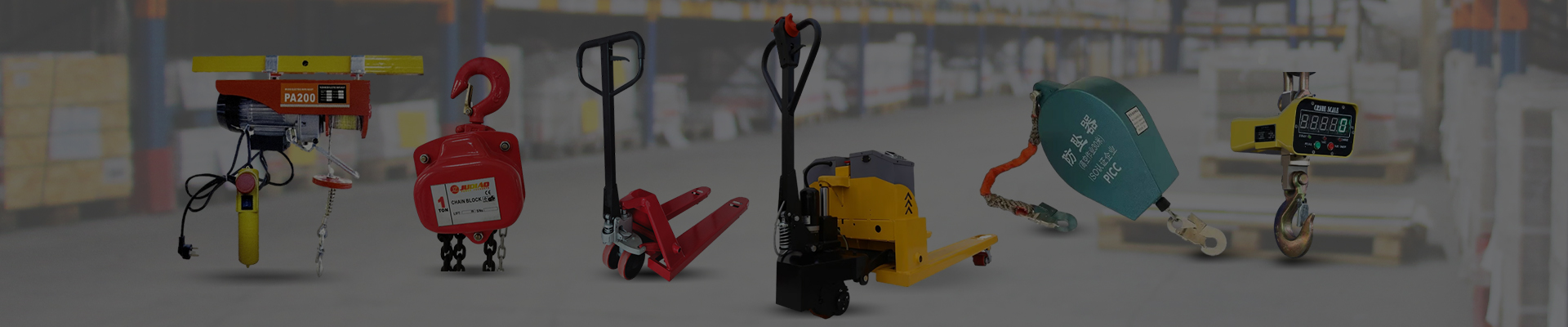


If you've ever wondered how heavy loads are safely and efficiently moved around construction sites, factories, or even disaster relief zones, chances are a 10 ton chain hoist is involved. This device, capable of lifting loads up to 10 tons, plays a vital role in modern industry and global logistics. Grasping its value isn’t just about appreciating brute strength—it’s about recognizing a piece of equipment that embodies safety, innovation, and worldwide utility.
Globally, industries depend on heavy-lifting gear like these hoists to keep operations moving — literally. The International Organization for Standardization (ISO) sets rigorous guidelines ensuring such equipment meets safety and performance standards worldwide, reflecting this tool’s critical importance. But beyond the specs, when properly used, a 10 ton chain hoist can make the difference between a seamless lift and a costly accident.
Put simply, a 10 ton chain hoist is a mechanical device designed to lift or lower heavy objects by means of a chain. The "10 ton" label represents its maximum lifting capacity—roughly equivalent to 10,000 kilograms or 22,000 pounds. Chains, gears, and a braking system work together to multiply force, allowing operators to move loads safely and precisely.
These hoists are integral to sectors from construction and manufacturing to humanitarian aid. For example, in post-disaster scenarios, this equipment helps clear debris or erect temporary shelters. The versatility and relative simplicity of a 10 ton chain hoist make it a reliable staple, whether in a bustling warehouse in Asia or a rugged African mining site.
Heavy-duty steel construction ensures the hoist withstands harsh environments and demanding workloads. In many cases, manufacturers use special alloys or protective coatings to resist corrosion and wear.
While rated for 10 tons, these hoists often come with modular parts or different chain lengths to suit various lifting heights or use cases.
The upfront investment versus longevity and low maintenance often means these hoists are cost-effective in the long run.
Most modern hoists include load brakes and overload protection—critical to preventing accidents and equipment damage.
Chain hoists can be manual, electric, or even pneumatic, allowing users flexibility depending on power availability and speed requirements.
| Specification | Typical Values |
|---|---|
| Lifting Capacity | 10 tons (10,000 kg) |
| Lift Height | 3 to 30 meters (customizable) |
| Chain Material | Alloy Steel with Zinc Coating |
| Operation Type | Manual / Electric / Pneumatic |
| Brake System | Load-Sensing Mechanical Brake |
Across continents, 10 ton chain hoists find themselves in diverse situations. In Southeast Asia, manufacturers rely on them to assemble heavy automotive parts. In Africa’s mining sectors, they’re used to lift equipment and ore loads safely. Oddly enough, even humanitarian organizations use them for setting up infrastructure fast after natural disasters. For instance, during the 2019 Cyclone Idai recovery in Mozambique, engineers noted that robust chain hoists helped erect temporary bridges and shelters within days.
In industrialized regions like Europe and North America, these hoists help with factory assembly lines or shipbuilding—settings where precision and reliability are non-negotiable.
| Vendor | Price Range | Warranty | Notable Features |
|---|---|---|---|
| QYJuli Industrial | $1,200–$2,500 | 3 years | Custom chain lengths, waterproof models |
| LiftMax Solutions | $1,400–$3,000 | 5 years | Ergonomic designs, energy-efficient motors |
| Global Hoist Co. | $1,000–$2,200 | 2 years | Lightweight frames, modular parts |
Industry analysts suggest that 10 ton chain hoists are on course for smart upgrades. Imagine load sensors linked to digital dashboards showing real-time usage stats or integrated automation for even smoother lifts. Furthermore, more manufacturers are experimenting with lightweight composite materials to reduce hoist weight without compromising strength.
Green energy sources, such as rechargeable electric hoists powered by solar-charged batteries, are also becoming more prominent — especially in remote areas where grid power is unreliable.
Despite their benefits, chain hoists present some challenges. Their weight can affect portability, and improper use may damage chains or cause accidents. Many engineers recommend ongoing operator training and routine inspections. Advances such as smart sensors for overload detection offer practical solutions to enhance safety and lifecycle management.
The 10 ton chain hoist remains a foundational tool across industries and humanitarian efforts worldwide. Its blend of power, reliability, and evolving technology means it isn’t just lifting loads — it’s lifting the standard for safety and efficiency. For those interested in integrating or upgrading lifting solutions, checking out specialized vendors and exploring customizable options is a great next step.
Visit our website https://www.qyjuli.com to explore the latest product lines and expert advice geared toward your specific lifting needs.
Oddly enough, once you’ve used one, it’s hard to imagine managing heavy lifting without it — that kind of understated impact.


 Afrikaans
 Albanian
 Amharic
 Arabic
 Armenian
 Azerbaijani
 Basque
 Belarusian
 Bengali
 Bosnian
 Bulgarian
 Catalan
 Cebuano
 China
China
 China (Taiwan)
 Corsican
 Croatian
 Czech
Czech
 Danish
 Dutch
Dutch
 Esperanto
 Estonian
 Finnish
 French
 Frisian
 Galician
 Georgian
 German
 Greek
Greek
 Gujarati
 Haitian Creole
 Hausa
Hausa
 Hawaiian
 Hebrew
 Hindi
Hindi
 Miao
Miao
 Hungarian
 Icelandic
 Igbo
Igbo
 Indonesian
 Irish
Irish
 Italian
 Japanese
 Javanese
 Kannada
 Kazakh
 Khmer
Khmer
 Rwandese
 Korean
 Kurdish
 Kyrgyz
 Lao
Lao
 Latin
Latin
 Latvian
 Lithuanian
 Luxembourgish
 Macedonian
 Malgashi
 Malay
Malay
 Malayalam
 Maltese
 Maori
Maori
 Marathi
 Mongolian
 Myanmar
 Nepali
 Norwegian
 Norwegian
 Occitan
 Pashto
 Persian
 Polish
 Portuguese
 Punjabi
 Romanian
 Russian
 Samoan
 Scottish Gaelic
 Serbian
 Sesotho
 Shona
Shona
 Sindhi
 Sinhala
 Slovak
 Slovenian
 Somali
 Spanish
 Sundanese
 Swahili
 Swedish
 Tagalog
 Tajik
Tajik
 Tamil
Tamil
 Tatar
Tatar
 Telugu
 Thai
Thai
 Turkish
 Turkmen
 Ukrainian
 Urdu
Urdu
 Uighur
 Uzbek
Uzbek
 Vietnamese
 Welsh
Welsh
 Bantu
Bantu
 Yiddish
 Yoruba
 Zulu
Zulu
 English