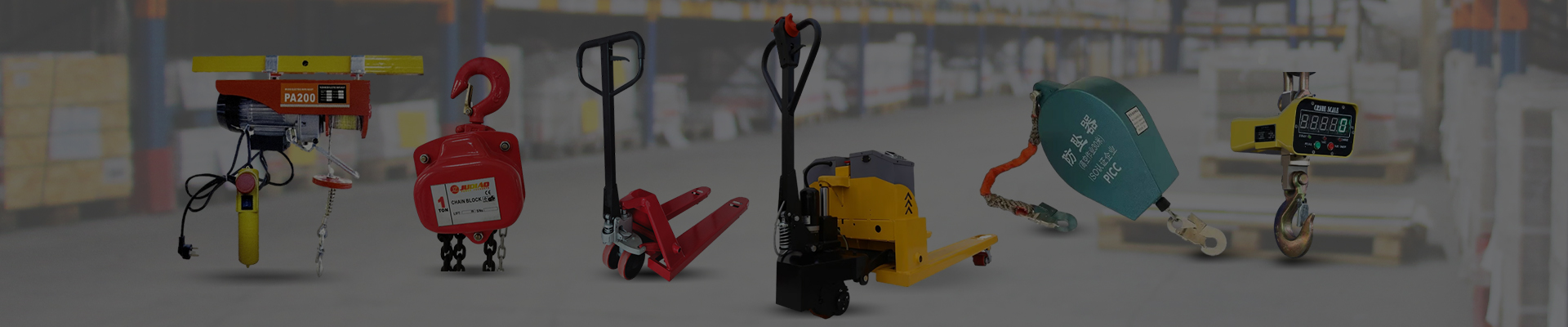


If you’ve ever watched construction sites buzzing with cranes lifting heavy loads, or warehouses operating like well-oiled machines, you’ve probably seen something like the pa1000 electric hoist in action. These devices transform the way industries handle massive weights—boosting safety, speed, and efficiency. Across developing economies and advanced manufacturing hubs alike, the demand for reliable lifting equipment has skyrocketed, driven by urban growth, infrastructure projects, and global trade.
Understanding the pa1000 electric hoist matters because it’s more than just a machine; it’s a vital part of supply chains, disaster relief efforts, and even humanitarian projects where heavy lifting requires precision and care. Whether it’s rebuilding after a natural catastrophe or streamlining production lines, these hoists are quiet workhorses underpinning modern industry.
Globally, industries that rely on heavy lifting—construction, logistics, mining—have reported up to a 25% increase in operational efficiency with modern electric hoists compared to manual methods (International Labour Organization, 2022). And the pa1000 electric hoist is particularly well-known for its combination of power and adaptability.
Yet, despite this growth, many regions still face challenges: lack of durable equipment, safety concerns, and high energy consumption. That’s the problem these electric hoists address by offering a more standardized, safer, and energy-efficient solution across diverse environments—from dense urban areas in Asia to remote industrial zones in Africa.
Simply put, the pa1000 electric hoist is a motorized lifting device designed to raise or lower heavy loads vertically. It uses an electric motor to power a winding mechanism (often a chain or wire rope), sparing workers the physical strain and limiting workplace accidents.
It’s widely used now in modern manufacturing plants, warehouses, and even humanitarian projects. For example, NGOs deploying supplies after earthquakes or floods rely on hoists like the PA1000 to distribute aid rapidly. It’s this blend of industrial and humanitarian application that makes it particularly inspiring—heavy machinery meeting real human needs.
The PA1000 typically boasts a rugged steel frame designed to withstand harsh environments, including dusty factories and outdoor construction sites. Many models pass rigorous ISO testing, ensuring resistance to wear and tear, which means less downtime and longer service life.
‘PA1000’ often denotes a lifting capacity around 1000 kg (about one metric ton), making it ideal for medium-heavy duty jobs. The electric motor itself is typically rated for efficiency, offering smooth start-and-stop control to avoid jerky movements that could damage fragile loads.
Thanks to advancements in electric motor technologies, many PA1000 hoists consume less energy compared to older models or manual hoisting. This leads to cost savings and dulls the environmental impact—always a plus.
Many units now include ergonomic handheld remotes or wireless controls, letting operators work at a safe distance. Intuitive controls reduce the learning curve and increase workflow fluidity.
Some PA1000 hoists are designed for quick installation on portable trolleys or cranes, making them adaptable to various project needs without extensive downtime.
The versatility of these hoists is evident across continents and industries:
Oddly enough, despite such global use, the hoists still feel like “unsung heroes” of industrial productivity.
| Specification | Detail |
|---|---|
| Lifting Capacity | 1000 kg (1 metric ton) |
| Lifting Speed | 6 meters per minute (variable) |
| Motor Power | 1.5 kW, three-phase |
| Power Supply | 380 V AC, 50 Hz |
| Wire Rope Diameter | 6 mm (steel) |
| Net Weight | 75 kg |
| Brand | Price Range | Warranty | Notable Features |
|---|---|---|---|
| QJY Hoists | $1,200 - $1,500 | 2 years | Energy-saving motor, wireless remote control |
| LiftMax | $1,100 - $1,400 | 1.5 years | Compact design, overload protection system |
| EleHoist Pro | $1,350 - $1,600 | 3 years | Silent operation, IP54 rated for dust/water resistance |
Here’s where it gets pretty interesting: investing in a pa1000 electric hoist often pays dividends far beyond the initial price tag.
On an emotional level, you can trust these machines to carry your workload safely—they’re like that dependable friend who always shows up on time.
The electric hoist market is buzzing with innovation. Here are some directions experts anticipate:
Frankly, no machine is perfect.
Ultimately, these challenges are increasingly addressed through better design and smarter service models.
When you add everything up—the reliability, versatility, and sheer industrial muscle—the pa1000 electric hoist remains a top choice worldwide. It’s not flashy, but it’s essential, quietly supporting countless projects and livelihoods.
Considering an upgrade or a first-time purchase? Don’t hesitate to explore practical options and check out trusted vendors. For more detailed specs and buying advice, feel free to visit our resource page: pa1000 electric hoist.
In the end, it all boils down to: strong tools make strong projects.


 Afrikaans
 Albanian
 Amharic
 Arabic
 Armenian
 Azerbaijani
 Basque
 Belarusian
 Bengali
 Bosnian
 Bulgarian
 Catalan
 Cebuano
 China
China
 China (Taiwan)
 Corsican
 Croatian
 Czech
Czech
 Danish
 Dutch
Dutch
 Esperanto
 Estonian
 Finnish
 French
 Frisian
 Galician
 Georgian
 German
 Greek
Greek
 Gujarati
 Haitian Creole
 Hausa
Hausa
 Hawaiian
 Hebrew
 Hindi
Hindi
 Miao
Miao
 Hungarian
 Icelandic
 Igbo
Igbo
 Indonesian
 Irish
Irish
 Italian
 Japanese
 Javanese
 Kannada
 Kazakh
 Khmer
Khmer
 Rwandese
 Korean
 Kurdish
 Kyrgyz
 Lao
Lao
 Latin
Latin
 Latvian
 Lithuanian
 Luxembourgish
 Macedonian
 Malgashi
 Malay
Malay
 Malayalam
 Maltese
 Maori
Maori
 Marathi
 Mongolian
 Myanmar
 Nepali
 Norwegian
 Norwegian
 Occitan
 Pashto
 Persian
 Polish
 Portuguese
 Punjabi
 Romanian
 Russian
 Samoan
 Scottish Gaelic
 Serbian
 Sesotho
 Shona
Shona
 Sindhi
 Sinhala
 Slovak
 Slovenian
 Somali
 Spanish
 Sundanese
 Swahili
 Swedish
 Tagalog
 Tajik
Tajik
 Tamil
Tamil
 Tatar
Tatar
 Telugu
 Thai
Thai
 Turkish
 Turkmen
 Ukrainian
 Urdu
Urdu
 Uighur
 Uzbek
Uzbek
 Vietnamese
 Welsh
Welsh
 Bantu
Bantu
 Yiddish
 Yoruba
 Zulu
Zulu
 English