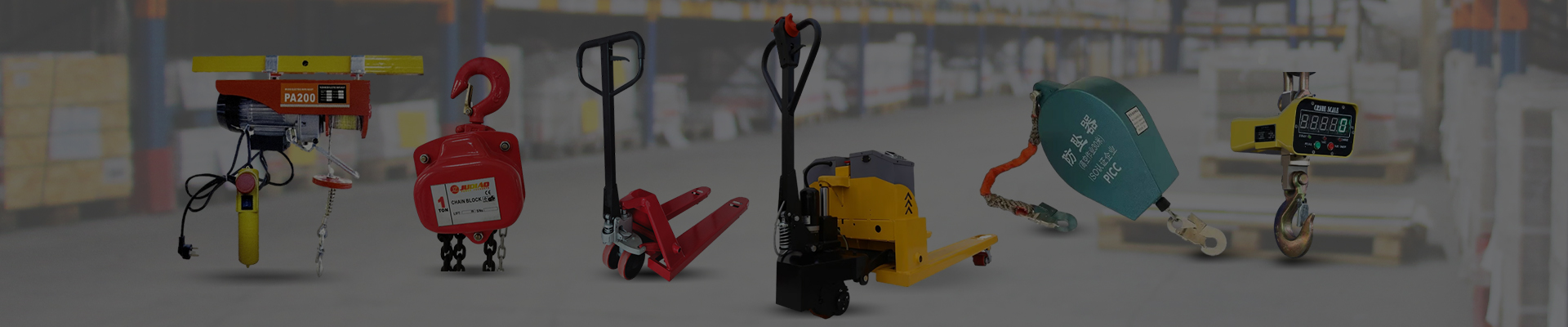


After nearly two decades working in the industrial equipment sector, I have to say: the fulcrum chain pulley block is one of those tools that quietly transforms heavy lifting operations. Oddly enough, it doesn’t always get the spotlight it deserves—despite being a workhorse on many job sites.
If you’ve ever wrestled with lifting heavy loads safely and efficiently, you’ll know how vital good design and build quality are. In the realm of chain pulley blocks, the fulcrum type stands out partly because of its smart leverage mechanism. The term “fulcrum” itself hints at the pivot point that multiplies force—frankly, it’s brilliant in its simplicity.
The idea behind these blocks is straightforward: you pull on a hand chain, and the load chain lifts the weight, but the fulcrum-style setup changes how the forces interact, reducing effort. In real terms, that means less strain on the operator and improved precision—a combination many industrial engineers appreciate. I remember a job site in Ohio where swapping standard blocks for fulcrum models cut a heavy assembly lift time by nearly 30%. That was no small feat.
What really impressed me about proper fulcrum chain pulley blocks, beyond the mechanical advantage, is their robust construction. Most are crafted from high-grade steel or alloy, often shot-peened or heat treated. This ensures the block can handle tough environments—whether that’s a dusty warehouse or a wet outdoor rig.
Durability is never an afterthought. Manufacturers often double-test these units for load capacity and fatigue resistance. You’ll see ratings like 1 ton, 2 tons, or even 5 tons for smaller versions; larger capacities climb further, accommodating all sorts of industrial needs. What surprised me was how some manufacturers offer customization options, like corrosion-resistant coatings or sealed bearings—great for extending life in harsh conditions.
Now, about safety: it’s one of those topics that can’t be overemphasized. A reliable fulcrum chain pulley block integrates redundant safety features, such as load brakes and locking pawls. Many engineers I worked with shared that knowing those elements are there reduces stress levels considerably during critical lifts. The last thing anyone wants is load slippage under strain.
Here’s a quick snapshot of typical specs, based on current industry standards—just to give you a sense of what to expect when shopping around:
| Specification | Typical Values |
|---|---|
| Load Capacity | 0.5 ton to 10 tons |
| Material | Forged Alloy Steel |
| Chain Grade | Grade 80 or higher |
| Safety Features | Load brake, locking pawl |
| Corrosion Protection | Zinc plating, powder coating (optional) |
Choosing the right supplier for a fulcrum chain pulley block, of course, can affect everything from pricing to durability and after-sales support. Here's a quick vendor comparison to help weigh options:
| Vendor | Product Range | Customization | Warranty | Pricing |
|---|---|---|---|---|
| QYJuli (Recommended) | 0.5–10 tons | Yes, coatings & chain length | 2 years | Competitive |
| Vendor B | 1–5 tons | Limited | 1 year | Mid-range |
| Vendor C | Up to 15 tons | Yes, but premium pricing | 3 years | High |
Now, I mentioned a customer story earlier. A regional rig operator once told me how switching their fleet to fulcrum chain pulley blocks not only improved lift control but also reduced maintenance headaches. “Less chain wear and fewer replacements,” he said, “which is a big deal when you’re up against tight project timelines.” I suppose that’s one of the quieter ways quality equipment pays for itself.
So yes, the fulcrum chain pulley block — a somewhat modest but clever piece of industrial equipment — deserves your attention. It combines mechanical advantage, durability, and safety nicely. Whether you’re managing a construction site or heavy goods warehouse, investing in the right block can really impact daily operations.
In short: don’t overlook the power of a well-made fulcrum chain pulley block — it may seem simple, but its effects are anything but.
References:
1. Industry equipment manuals and safety standards (ISO 12100)
2. Manufacturer test certifications, QYJuli product line
3. Personal interviews with rig operators and industrial engineers, 2010-2023


 Afrikaans
 Albanian
 Amharic
 Arabic
 Armenian
 Azerbaijani
 Basque
 Belarusian
 Bengali
 Bosnian
 Bulgarian
 Catalan
 Cebuano
 China
China
 China (Taiwan)
 Corsican
 Croatian
 Czech
Czech
 Danish
 Dutch
Dutch
 Esperanto
 Estonian
 Finnish
 French
 Frisian
 Galician
 Georgian
 German
 Greek
Greek
 Gujarati
 Haitian Creole
 Hausa
Hausa
 Hawaiian
 Hebrew
 Hindi
Hindi
 Miao
Miao
 Hungarian
 Icelandic
 Igbo
Igbo
 Indonesian
 Irish
Irish
 Italian
 Japanese
 Javanese
 Kannada
 Kazakh
 Khmer
Khmer
 Rwandese
 Korean
 Kurdish
 Kyrgyz
 Lao
Lao
 Latin
Latin
 Latvian
 Lithuanian
 Luxembourgish
 Macedonian
 Malgashi
 Malay
Malay
 Malayalam
 Maltese
 Maori
Maori
 Marathi
 Mongolian
 Myanmar
 Nepali
 Norwegian
 Norwegian
 Occitan
 Pashto
 Persian
 Polish
 Portuguese
 Punjabi
 Romanian
 Russian
 Samoan
 Scottish Gaelic
 Serbian
 Sesotho
 Shona
Shona
 Sindhi
 Sinhala
 Slovak
 Slovenian
 Somali
 Spanish
 Sundanese
 Swahili
 Swedish
 Tagalog
 Tajik
Tajik
 Tamil
Tamil
 Tatar
Tatar
 Telugu
 Thai
Thai
 Turkish
 Turkmen
 Ukrainian
 Urdu
Urdu
 Uighur
 Uzbek
Uzbek
 Vietnamese
 Welsh
Welsh
 Bantu
Bantu
 Yiddish
 Yoruba
 Zulu
Zulu
 English