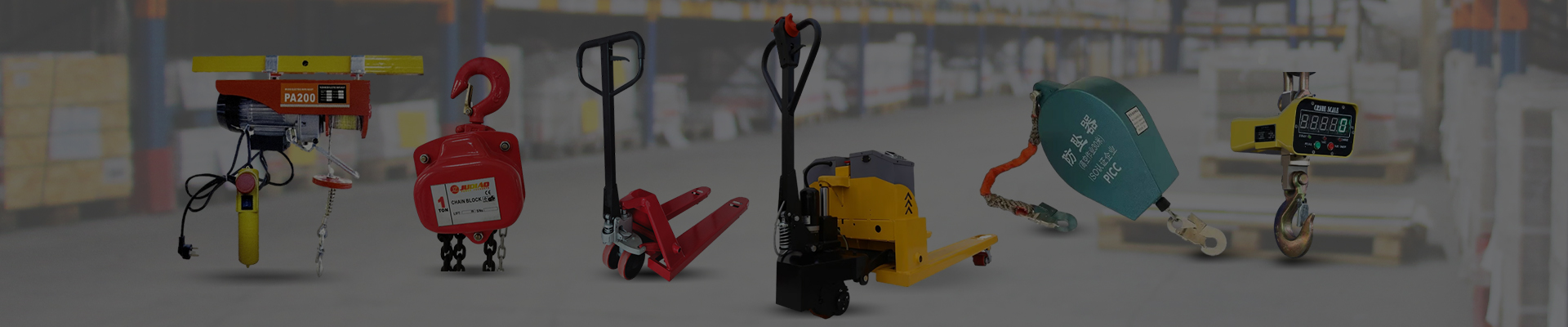


At first blush, the 0.5 t chain block might seem like just another piece of industrial hardware—the sort of tool tucked away in a warehouse or factory and rarely discussed outside those circles. But it plays a surprisingly critical role in global supply chains, construction, manufacturing, and even humanitarian efforts. Essentially, a 0.5 ton chain block is a manual hoist designed to lift heavy loads up to 500 kilograms, making it a reliable workhorse in settings where precision, portability, and safety are essential.
Globally, industries depend on such equipment to keep workflows safe and efficient. With increasing infrastructure development worldwide and the constant push for mechanization, tools like this bridge a crucial gap—combining simplicity with strength. Plus, grasping its uses and benefits can help professionals select the right equipment, optimize operations, and maintain workplace safety standards.
According to data from the World Bank, global industrial output has steadily grown over the past decade, demanding versatile lifting equipment. Even as automation rises, manual hoists like the 0.5 t chain block remain vital, especially in regions with limited power infrastructure or remote worksites. The International Organization for Standardization (ISO) provides rigorous safety guidelines for chain blocks, reflecting the equipment’s importance in reducing workplace accidents.
However, lifting heavy loads manually poses challenges—think about worker fatigue, the risk of overloading, or equipment failures. This is precisely where selecting a quality 0.5 t chain block, built for durability and ease of use, makes a real difference.
In plain terms, a 0.5 t chain block is a manual hoisting device using a chain and gear mechanism to lift loads of up to half a ton safely. It generally consists of a hand chain, a load chain, a lifting hook, and a braking system. Operators pull the hand chain, and the internal gears multiply the force, making lifting easier and controlled.
This tool is a staple not just in heavy industry but also in fields like emergency response, small-scale manufacturing, and maintenance work—where dependable load handling is needed without the fuss of complex machinery.
The chain block's frame, hook, and chains typically use high-grade alloy steel with corrosion-resistant coatings—ensuring they withstand wear, tear, and harsh environments.
Features like automatic brakes and load-limiting gear prevent accidental drops or overloads, crucial for maintaining operational safety.
Compact size and manageable weight are key for many users, especially in remote job sites or emergency settings.
Easy maintenance processes—like chain lubrication and hook inspections—extend the working life and reliability of the chain block.
Given its manual operation, a 0.5 t chain block offers a cost-effective alternative to powered hoists, especially where electricity isn’t reliable or budget is tight.
| Specification | Details |
|---|---|
| Rated Load Capacity | 0.5 tons (500 kg) |
| Lift Height | 2-6 meters (varies by model) |
| Hand Chain Diameter | 5 mm |
| Load Chain Diameter | 6 mm |
| Net Weight | Approx. 9-11 kg |
| Material | High-strength alloy steel |
In real terms, the 0.5 t chain block is favored worldwide—from bustling manufacturing plants in Southeast Asia to construction sites in Africa and remote mining projects in Latin America. In post-disaster relief operations, it’s invaluable for lifting debris or supplies where power may be down.
Oddly enough, humanitarian agencies often carry portable chain blocks as part of their toolkit because they don’t rely on electricity, are easy to transport, and support infrastructure rebuilding. Similarly, maintenance crews in oil and gas rigs or wind farms appreciate the chain block’s reliability in rough conditions.
| Vendor | Load Capacity | Material Quality | Safety Features | Price Range |
|---|---|---|---|---|
| Yale | 0.5 t | High-grade alloy steel | Automatic load brake | $$$ |
| CM Lodestar | 0.5 t | Heat-treated alloy chains | Double pawl braking system | $$$ |
| Kito | 0.5 t | Forged steel components | Load limiting device | $$$ |
| QYJULI (local brand) | 0.5 t | Alloy steel with corrosion-resistant finish | Standard load brake | $ |
Choosing the right 0.5 t chain block means investing in safety, reliability, and cost efficiency. It reduces reliance on electrical power, fits tight spaces, and generally requires less maintenance than powered hoists. It also brings peace of mind when lifting heavy or awkward loads, helping prevent injuries.
On a social level, the tool supports dignified work conditions for operators, who can safely control heavy lifting tasks without undue risk. And frankly, the innovation embedded in today's chain blocks often amazes me—tiny improvements in brake systems or chain metallurgy significantly boost longevity and worker confidence.
The future of chain blocks includes better materials like advanced steel alloys, improved ergonomic designs, and even smart sensors that alert to overloads or wear patterns. Sustainability is key, with vendors turning to environmentally-friendly coatings and energy-efficient manufacturing processes.
Digitization may seem odd for a manual device, but “smart” chain blocks that track usage history or send maintenance notifications could become standard, increasing safety and asset management for industrial fleets.
Common hurdles include improper use, lack of timely maintenance, or sourcing substandard products. These can lead to equipment failure or accidents. The solution? Robust training, adherence to ISO safety guidelines, and choosing reputable vendors—stuff that’s easier said than done in some regions but vital nonetheless.
The 0.5 t chain block embodies simplicity and strength—helping industries around the world lift safely and efficiently under diverse conditions. Whether at a remote construction site or in a warehouse downtown, its dependability and ease of use create lasting value. For businesses and professionals looking to optimize lifting tasks without breaking the bank or overcomplicating workflows, this tool remains a steadfast ally.
Interested in exploring their product range or learning more about safe lifting solutions? Visit us anytime at https://www.qyjuli.com.
In all, the humble chain block has more to offer than meets the eye — A classic tool that’s constantly evolving alongside industry needs.


 Afrikaans
 Albanian
 Amharic
 Arabic
 Armenian
 Azerbaijani
 Basque
 Belarusian
 Bengali
 Bosnian
 Bulgarian
 Catalan
 Cebuano
 China
China
 China (Taiwan)
 Corsican
 Croatian
 Czech
Czech
 Danish
 Dutch
Dutch
 Esperanto
 Estonian
 Finnish
 French
 Frisian
 Galician
 Georgian
 German
 Greek
Greek
 Gujarati
 Haitian Creole
 Hausa
Hausa
 Hawaiian
 Hebrew
 Hindi
Hindi
 Miao
Miao
 Hungarian
 Icelandic
 Igbo
Igbo
 Indonesian
 Irish
Irish
 Italian
 Japanese
 Javanese
 Kannada
 Kazakh
 Khmer
Khmer
 Rwandese
 Korean
 Kurdish
 Kyrgyz
 Lao
Lao
 Latin
Latin
 Latvian
 Lithuanian
 Luxembourgish
 Macedonian
 Malgashi
 Malay
Malay
 Malayalam
 Maltese
 Maori
Maori
 Marathi
 Mongolian
 Myanmar
 Nepali
 Norwegian
 Norwegian
 Occitan
 Pashto
 Persian
 Polish
 Portuguese
 Punjabi
 Romanian
 Russian
 Samoan
 Scottish Gaelic
 Serbian
 Sesotho
 Shona
Shona
 Sindhi
 Sinhala
 Slovak
 Slovenian
 Somali
 Spanish
 Sundanese
 Swahili
 Swedish
 Tagalog
 Tajik
Tajik
 Tamil
Tamil
 Tatar
Tatar
 Telugu
 Thai
Thai
 Turkish
 Turkmen
 Ukrainian
 Urdu
Urdu
 Uighur
 Uzbek
Uzbek
 Vietnamese
 Welsh
Welsh
 Bantu
Bantu
 Yiddish
 Yoruba
 Zulu
Zulu
 English