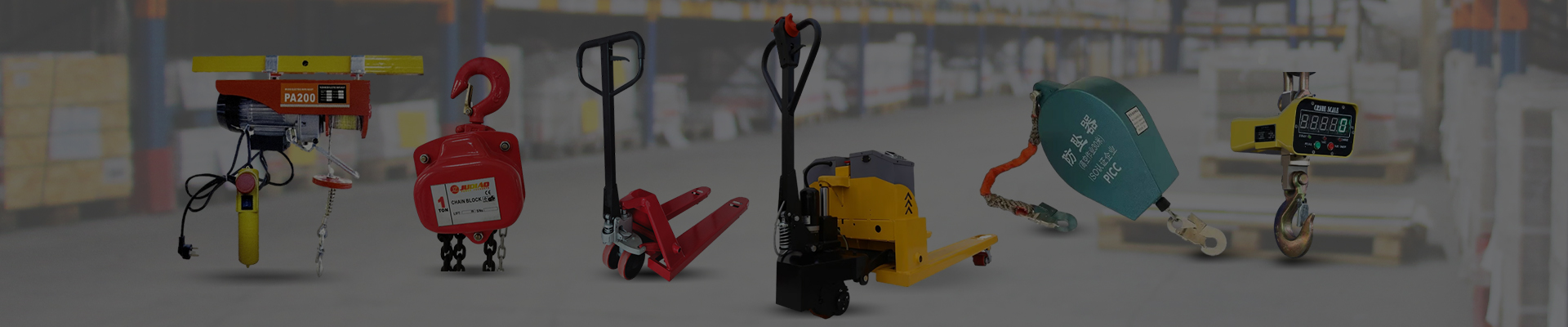


The low headroom electric hoist might not sound flashy, but in the grand scheme of industrial lifting solutions, it’s a quietly heroic piece of equipment. Essentially, it's designed for spaces where traditional overhead hoists won’t fit — think cramped factories, compact warehouses, or retrofitted industrial sites. Globally, the demand for space-efficient, reliable lifting gear is surging as urbanization and safety regulations tighten. Understanding these hoists means unlocking better productivity, safer workplaces, and ultimately smarter investments across industries from manufacturing to shipping.
Industrial safety standards — governed by bodies like the ISO 45001 — increasingly emphasize both efficiency and safety. According to the World Bank, roughly 54% of industrial structures globally operate in tightly confined spaces where traditional lifting equipment is impractical. This is where the low headroom electric hoist makes a difference by providing a compact, robust solution for heavy lifting under challenging height constraints.
The problem is clear: many industrial sites require reliable overhead lifting but don’t have the luxury of tall ceiling clearance. Without suitable equipment, businesses often face bottlenecks, higher labor costs, or safety risks.
Simply put, a low headroom electric hoist is a motorized lifting device designed to operate efficiently in environments where the vertical clearance above the hook is severely limited. Unlike conventional electric hoists, these models shorten the distance between the hoist hook and the top mount, maximizing lifting height within a compact envelope.
They often incorporate compact gearing, advanced motor designs, and optimized brakes to deliver smooth lifting power without requiring a tall crane or gantry structure. This makes them vital for modern industry setups — from manufacturing plants squeezed for space to humanitarian operations needing fast, reliable load handling in temporary shelters or low-clearance warehouses.
| Specification | Details |
|---|---|
| Load Capacity | 0.5 to 20 tons |
| Hook-to-Top Distance | As low as 350 mm |
| Lifting Speed | 2 to 10 m/min (variable) |
| Power Supply | 380V/3-phase, 50/60 Hz |
| Brake System | Electromagnetic, failsafe |
| Control | Pendant or radio remote |
It's honestly impressive how these hoists fit everywhere from high-tech manufacturing hubs in Germany and Japan to mining operations in Australia and warehouses in the U.S. Oddly enough, their value shines brightest in cramped spaces — think legacy factories or logistics centers squeezed in urban zones.
In humanitarian contexts, these hoists support rapid deployment of emergency supplies and equipment in temporary shelters with low ceilings or makeshift warehouses. Areas prone to natural disasters also benefit, where quick, secure lifting can make a life-saving difference.
regions like Southeast Asia and Africa increasingly incorporate these hoists into infrastructure improvements, thanks in part to economic development and aid programs. Companies in these regions often cite improved safety and workflow efficiency after retrofitting older plants with low headroom electric hoists.
In real terms, the combination of compactness and robustness means fewer headaches and smoother workflows for everyone involved.
Next-gen low headroom electric hoists are incorporating smart sensors for predictive maintenance, linking to IoT platforms to minimize unplanned downtime. Plus, manufacturers are experimenting with lightweight composites and eco-friendly lubricants for lower carbon footprints.
Integrating green energy options, like solar-powered hoists for remote sites, is no longer science fiction. Automation trends mean these hoists are increasingly part of semi-autonomous material handling systems, pushing the envelope on accuracy and efficiency.
Naturally, the biggest limitation is balancing compactness against load capacity — smaller size often means engineering compromises. Overheating in tightly enclosed machines and maintaining safety certifications across regions also present hurdles.
To solve this, manufacturers focus on improved heat dissipation designs, modular upgrades, and universally accepted safety certifications. Training users and regular maintenance remain key to preventing unexpected failures.
| Vendor | Load Range (tons) | Unique Feature | Warranty | Price Range (USD) |
|---|---|---|---|---|
| QYJULI Hoists | 0.5 – 20 | Ultra-low hook height; remote control | 24 months | $1,500 – $7,000 |
| Harrington Hoists | 1 – 15 | Heavy-duty construction | 18 months | $2,000 – $6,500 |
| Demag | 0.5 – 12.5 | Integrated IoT monitoring | 36 months | $2,500 – $8,000 |
The whole point of these hoists is to operate in low-clearance areas. Typically, they require just a few hundred millimeters of headroom above the lifting hook, some models as low as 350 mm, enabling installation in tighter spaces than conventional hoists.
Yes, many models are built with corrosion-resistant materials and sealed motors to handle outdoor environments. However, confirm the IP rating (Ingress Protection) to ensure suitability for exposure to elements such as dust and rain.
Regular inspection of brakes, wire ropes, and electrical components is critical. Follow manufacturer recommendations for lubrication and servicing intervals, and train operators to spot unusual noises or performance issues early.
Many modern low headroom electric hoists offer pendant controls as standard, with optional radio remote control for improved operator flexibility and safety, especially in tight or noisy environments.
At the end of the day, these hoists solve a surprisingly common but stubborn industrial challenge — fitting heavy-duty lifting into tight spaces without sacrificing safety or speed. Whether you're overseeing factory upgrades, logistics centers, or emergency relief warehouses, they offer a tidy package of efficiency, reliability, and durability.
Curious to learn more or ready to enhance your operations? Visit our website at https://www.qyjuli.com to explore the latest low headroom electric hoist options tailored for your needs.
Sometimes, the simplest solution—one that quietly fits right where it’s needed—is the most powerful.


 Afrikaans
 Albanian
 Amharic
 Arabic
 Armenian
 Azerbaijani
 Basque
 Belarusian
 Bengali
 Bosnian
 Bulgarian
 Catalan
 Cebuano
 China
China
 China (Taiwan)
 Corsican
 Croatian
 Czech
Czech
 Danish
 Dutch
Dutch
 Esperanto
 Estonian
 Finnish
 French
 Frisian
 Galician
 Georgian
 German
 Greek
Greek
 Gujarati
 Haitian Creole
 Hausa
Hausa
 Hawaiian
 Hebrew
 Hindi
Hindi
 Miao
Miao
 Hungarian
 Icelandic
 Igbo
Igbo
 Indonesian
 Irish
Irish
 Italian
 Japanese
 Javanese
 Kannada
 Kazakh
 Khmer
Khmer
 Rwandese
 Korean
 Kurdish
 Kyrgyz
 Lao
Lao
 Latin
Latin
 Latvian
 Lithuanian
 Luxembourgish
 Macedonian
 Malgashi
 Malay
Malay
 Malayalam
 Maltese
 Maori
Maori
 Marathi
 Mongolian
 Myanmar
 Nepali
 Norwegian
 Norwegian
 Occitan
 Pashto
 Persian
 Polish
 Portuguese
 Punjabi
 Romanian
 Russian
 Samoan
 Scottish Gaelic
 Serbian
 Sesotho
 Shona
Shona
 Sindhi
 Sinhala
 Slovak
 Slovenian
 Somali
 Spanish
 Sundanese
 Swahili
 Swedish
 Tagalog
 Tajik
Tajik
 Tamil
Tamil
 Tatar
Tatar
 Telugu
 Thai
Thai
 Turkish
 Turkmen
 Ukrainian
 Urdu
Urdu
 Uighur
 Uzbek
Uzbek
 Vietnamese
 Welsh
Welsh
 Bantu
Bantu
 Yiddish
 Yoruba
 Zulu
Zulu
 English