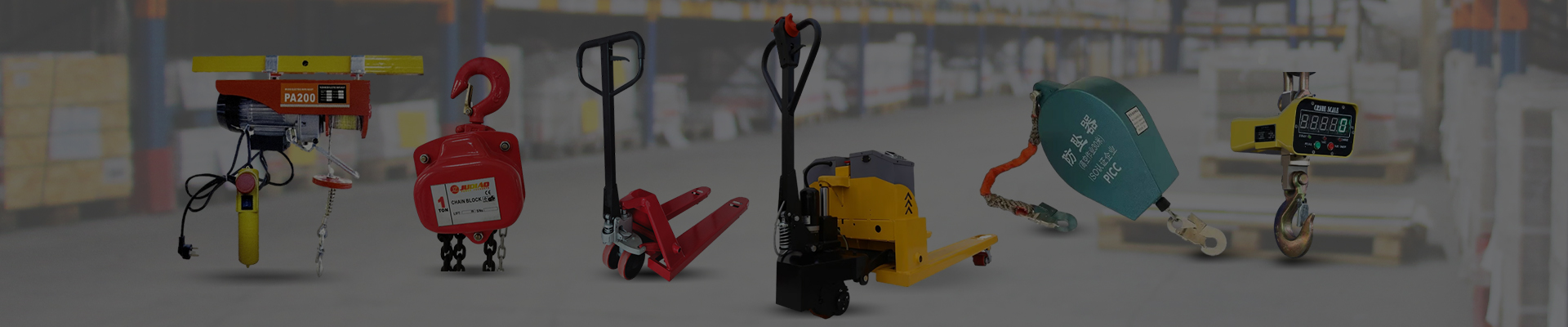


In a world spinning faster and expanding taller, the humble lifting equipment quietly powers much of the modern economy. From sprawling construction sites to bustling warehouses and even disaster relief efforts, it's a behind-the-scenes hero helping save time, labor, and often lives. Understanding how these machines work — and why they’re essential — is no longer niche knowledge. It affects global infrastructure, safety standards, and supply chains that impact everyone.
Oddly enough, you rarely spot the phrase "lifting equipment" in everyday talk. But if those cranes, hoists, or forklifts weren’t around, the world would come to a crawl. And frankly, the challenges they address — moving heavy loads safely and efficiently — only get bigger. As urban population booms and industries expand, so does the critical role of lifting gear.
To put it bluntly, lifting equipment underpins much of global development. The UN estimates that by 2050, nearly 68% of people will live in urban areas. That means more skyscrapers, bridges, and factories — all requiring reliable equipment to raise heavy materials. Meanwhile, the International Organization for Standardization (ISO) keeps raising the bar on safety and efficiency for these machines, acknowledging that failure can mean catastrophic consequences.
However, the problem isn't just about strength or reach. It’s about how lifting equipment adapts to diverse environments — from dense city centers to remote industrial zones in Africa or Asia. This global demand highlights a challenge: designing gear that is not only powerful but also adaptable, safe, and cost-effective.
Simply put, lifting equipment refers to tools and machines designed to move heavy or bulky loads vertically or horizontally. This covers everything from cranes, hoists, and winches to forklifts and lifting slings. Imagine the vast pushes and pulls needed to raise construction steel beams or unload shipping containers — that’s lifting equipment in action.
More than just hardware, lifting devices are interwoven with modern industry’s efficiency and humanitarian efforts alike. For example, in disaster zones, powerful hoists help clear rubble and rescue trapped victims quickly — actions that save lives daily.
One thing engineers hammer on is durability. Lifting gear often works in harsh conditions — dust, moisture, extremes of temperature — and it has to last. Materials like high-grade steel or finished alloys usually do the trick, resisting wear even with heavy, repeated use.
The lifting capacity isn’t just a number; it’s a critical safety benchmark. Each piece of equipment must match the maximum load it can handle with margin for error to avoid accidents. Standards like ISO 9927 ensure that inspections and maintenance uphold these limits continually.
In real terms, a crane that’s perfect for a warehouse might be useless on a slope or rugged construction site. So adaptability is key. Many modern hoists feature modular designs letting operators adjust lifting height or reach, catering to diverse tasks.
Buying lifting equipment is a big investment, but so is downtime. The best gear blends upfront cost with lower operating expenses — say, through fuel efficiency or easy part replacements. Smart procurement considers whole lifecycle costs, not just sticker price.
Take the megaprojects of Asia’s mega-cities — these cranes and hoists are contest champions there, with massive budgets compensating for extreme project scales. Contrastingly, in humanitarian work, NGOs rely on lightweight but sturdy hoisting tools that can be airlifted into disaster zones at a moment’s notice.
In the oil and gas sector, offshore rigs depend heavily on lifting equipment designed for corrosion resistance and extreme environments. And mining operations in South America use heavy-duty lifts to move ore and machinery safely down steep slopes.
The scope is immense, and oddly enough, that means the stringency in design and testing is even tighter. After all, a failure in any region — whether rich or resource-poor — is unacceptable.
Lifting equipment isn’t just about strength; it’s about fitting the varied needs of regions and industries, balancing power with safety and economy.
Automation is creeping into everything, and lifting equipment is no exception. Self-monitoring cranes that warn operators before a part fails? Yes, please. The rise of green energy means electric-powered hoists are gaining favor over traditional diesel engines, reducing emissions onsite.
Lightweight composite materials are also making gear easier to transport and quicker to deploy without sacrificing strength. Digital twin technology — where a virtual model mirrors a physical machine — allows remote diagnostics and performance optimization, something many engineers find exciting.
No technology’s perfect. Challenges include high upfront costs, complicated maintenance in remote areas, and sometimes insufficient training of operators. But modern solutions like easy-to-use modular components and augmented reality-based training help close those gaps.
Plus, emerging standards from bodies like the ISO promise more unified safety and compatibility across manufacturers, reducing confusion and costly downtime.
| Feature | Standard Crane | Electric Hoist | Hydraulic Lift |
|---|---|---|---|
| Max Load Capacity | 10,000 kg | 2,000 kg | 5,000 kg |
| Power Source | Diesel | Electric | Hydraulic |
| Operating Range | 30 m height | 15 m height | 10 m height |
| Weight | 4,500 kg | 800 kg | 1,200 kg |
| Typical Use Case | Construction sites | Warehouses, factories | Transport loading/unloading |
| Vendor | Product Range | Price Range | Special Features | Support & Training |
|---|---|---|---|---|
| LiftPro Industries | Cranes, Electric Hoists | $$$ | Smart sensors, IoT monitoring | 24/7 online support, onsite training |
| Global Hoist Co. | Hydraulic lifts, Manual winches | $ - $$ | Modular design, easy maintenance | Training videos, workshops |
| EcoLift Solutions | Electric hoists, Solar-powered lifts | $$$ | Green tech, low emissions | Remote diagnostics, AR training |
Always check the machine’s maximum load limits, inspect visible wear and tear, and ensure operators are trained properly. Compliance with international safety standards like ISO 9927 is crucial. Regular maintenance and use of safety devices such as limit switches or overload alarms can prevent accidents.
Using electric hoists or forklifts speeds up loading and unloading, reduces manual handling, and minimizes injury risks. Integration with inventory management systems also optimizes material flow, cutting down wait times and errors.
Yes. Electric-powered machines and solar-assisted lifts reduce greenhouse gas emissions. Additionally, manufacturers now use recyclable materials and design for easy part replacement, promoting sustainability.
Construction, manufacturing, mining, oil and gas, and logistics sectors stand to gain the most. Each requires specialized lifting solutions tailored for their unique challenges — be it rugged terrain, hazardous materials, or tight urban sites.
Absolutely. Modular and lightweight models can be airlifted onto crisis zones or remote sites quickly. Plus, some vendors provide portable power options, allowing use even where electricity or fuel access is limited.
When you think about lifting equipment, it might seem like boring machinery at first. But frankly, it’s a fascinating blend of engineering, safety, and global impact. The right gear boosts productivity, protects workers, and supports everything from booming urban construction to life-saving rescue operations.
I encourage you to explore more about lifting equipment and its ever-evolving role. Take a look at suppliers that combine innovation with sustainability and support — because in real terms, that’s the future of lifting. For more in-depth insights, product options, and expert advice, visit our website at lifting equipment.


 Afrikaans
 Albanian
 Amharic
 Arabic
 Armenian
 Azerbaijani
 Basque
 Belarusian
 Bengali
 Bosnian
 Bulgarian
 Catalan
 Cebuano
 China
China
 China (Taiwan)
 Corsican
 Croatian
 Czech
Czech
 Danish
 Dutch
Dutch
 Esperanto
 Estonian
 Finnish
 French
 Frisian
 Galician
 Georgian
 German
 Greek
Greek
 Gujarati
 Haitian Creole
 Hausa
Hausa
 Hawaiian
 Hebrew
 Hindi
Hindi
 Miao
Miao
 Hungarian
 Icelandic
 Igbo
Igbo
 Indonesian
 Irish
Irish
 Italian
 Japanese
 Javanese
 Kannada
 Kazakh
 Khmer
Khmer
 Rwandese
 Korean
 Kurdish
 Kyrgyz
 Lao
Lao
 Latin
Latin
 Latvian
 Lithuanian
 Luxembourgish
 Macedonian
 Malgashi
 Malay
Malay
 Malayalam
 Maltese
 Maori
Maori
 Marathi
 Mongolian
 Myanmar
 Nepali
 Norwegian
 Norwegian
 Occitan
 Pashto
 Persian
 Polish
 Portuguese
 Punjabi
 Romanian
 Russian
 Samoan
 Scottish Gaelic
 Serbian
 Sesotho
 Shona
Shona
 Sindhi
 Sinhala
 Slovak
 Slovenian
 Somali
 Spanish
 Sundanese
 Swahili
 Swedish
 Tagalog
 Tajik
Tajik
 Tamil
Tamil
 Tatar
Tatar
 Telugu
 Thai
Thai
 Turkish
 Turkmen
 Ukrainian
 Urdu
Urdu
 Uighur
 Uzbek
Uzbek
 Vietnamese
 Welsh
Welsh
 Bantu
Bantu
 Yiddish
 Yoruba
 Zulu
Zulu
 English