


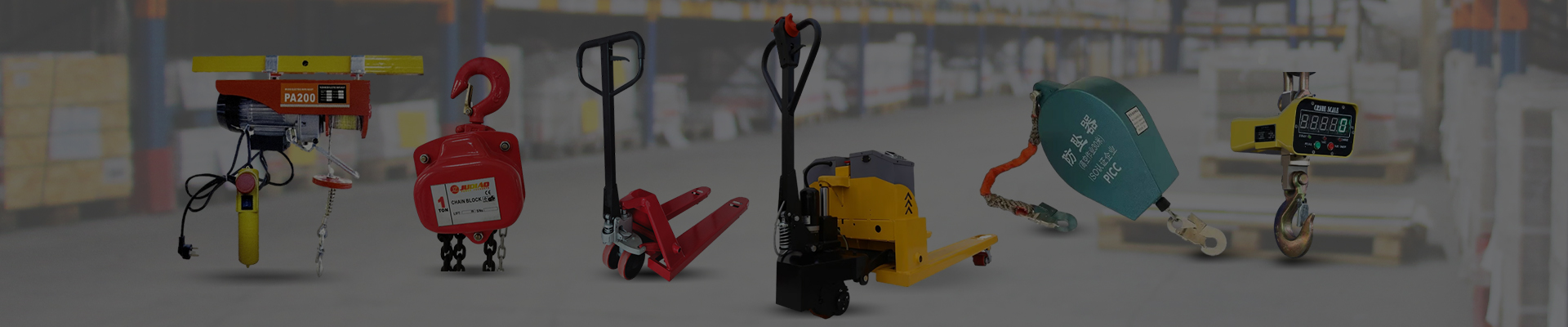
At first glance, chain blocks might seem like simple lifting tools you'd find in any dusty warehouse or busy construction site. But if you pause and think about it, these devices—and the manufacturers behind them—play a surprisingly vital role worldwide. From heavy industry and infrastructure projects to humanitarian relief operations, the quality and reliability of chain blocks can influence safety, efficiency, and even lives saved.
Understanding what a chain block manufacturer does, and why it matters, opens doors to appreciating an often-overlooked backbone of global logistics and heavy-lifting operations. So, let's dive into what makes this topic tick and why it’s relevant in today’s fast-evolving industrial landscape.
Worldwide, the demand for safe and efficient material handling solutions continues to surge. According to the International Organization for Standardization (ISO), the global lifting equipment market is expected to grow steadily due to expanding infrastructure projects, industrialization in emerging economies, and stricter workplace safety norms.[1]
This growth directly impacts chain block manufacturers as they supply essential tools that need to be both robust and reliable. However, with rising construction costs and tougher environmental regulations, manufacturers face a challenge: how to innovate while keeping prices competitive and sustainability practices in check. Not an easy balance.
Simultaneously, humanitarian agencies depend on such equipment for rapid response in disaster zones, where makeshift lifting solutions aren’t an option. Here, efficiency and durability are more than technical specs—they're lifelines.
Simply put, a chain block manufacturer is a company or workshop that designs, produces, and supplies mechanical chain hoists—those compact devices using a sprocket mechanism and steel chain to lift or lower heavy loads.
These manufacturers combine engineering know-how with materials expertise to make tools capable of lifting tons in factories, shipyards, or remote mining sites. They are connected not only to heavy industry but also to broader humanitarian and infrastructural needs, proving crucial wherever heavy lifting is required with safety and reliability.
Most manufacturers use high-grade steel alloys to ensure the chain and housing resist stress, corrosion, and wear. Many engineers say that even one tiny error in the materials or heat treatment process can cause a catastrophic failure under load.
Chain blocks come in various capacities, often ranging from 0.5 tons up to 20 tons or more. Depending on the application, manufacturers provide scalable options that allow users to pick models that meet current needs but also allow upgrades or higher efficiency in the future.
We’re talking about things like automatic braking systems, overload protection, and precise manufacturing tolerances. Good manufacturers also follow strict compliance with ISO 9001 or equivalent certifications, so users can trust their equipment won’t give out unexpectedly.
Field technicians appreciate chain blocks designed for straightforward maintenance. Quick access to internal components or the availability of spare parts can minimize downtime — essential for industries like construction or mining where delays are expensive.
Balancing quality with affordability is a constant dance. Top manufacturers often optimize production techniques and source raw materials smartly, offering dependable products at competitive rates.
Mini takeaway: Chain block manufacturers combine specialized metalworking, engineering, and quality control to deliver rugged, user-friendly lifting tools—a complex task disguised in simple gear.
Stacked containers in busy ports, steel beams hoisted high at construction sites, or relief supplies unloaded rapidly after natural disasters — chain blocks are everywhere. For example:
Interestingly, these sectors prefer manufacturers who offer not just equipment but ongoing service, certifications, and customization.
| Specification | Typical Range or Value | Notes |
|---|---|---|
| Load Capacity | 0.5 to 20 Tons | Varies by model and purpose |
| Chain Material | Alloy Steel | Heat treated for durability |
| Brake Type | Manual or Automatic | Ensures load holds safely |
| Certification | ISO 9001 / CE | Quality and safety standards |
| Weight | 5 to 35 kg (varies) | Depends on capacity and design |
| Vendor | Product Range | Certification | Customization | Global Reach |
|---|---|---|---|---|
| Maker A | 0.5–10 tons | ISO 9001, CE | Limited | Asia, Europe |
| Maker B | 1–20 tons | ISO 9001 | High | Global |
| Maker C | 0.75–15 tons | CE | Medium | Europe, Africa |
Choosing the right chain block manufacturer isn’t just about ticking off specs on paper. It’s about trust, safety, and sustainability. High-quality chain blocks reduce accidents, minimize equipment downtime, and can even lower insurance costs. I’ve seen managers breathe easier when using hoists that come with solid certifications and warranties.
Also, it’s worth noting the environmental angle. Today, many manufacturers focus on eco-friendly processes or recyclable materials, steering the industry toward sustainability. Reliable tools also mean fewer replacements, reducing waste.
On the emotional side, workers handling loads feel safer and more confident with well-built equipment—which, frankly, can improve productivity and morale.
As with much of manufacturing, the future seems geared toward smart, connected devices. Imagine chain blocks with IoT sensors that monitor load cycles, alert to maintenance needs, or even predict failures before they happen.
Materials science is pushing lighter yet stronger alloys and surface treatments to extend lifespan. Green manufacturing policies encourage recycling and less energy-intensive production methods.
Lastly, customization powered by digital design lets users tailor chain blocks to niche industries, boosting efficiency and safety even further.
One challenge is balancing cost with quality—some manufacturers compromise just to stay competitive, risking safety. Then there’s the difficulty of supply chain delays affecting raw materials or parts.
Innovative approaches include modular designs simplifying repairs, partnerships with local vendors to reduce shipping times, and strict adherence to international certifications. It's heartening to see industry leaders pledging higher transparency and sustainability too.
A: Start by determining the maximum load you expect to lift, then add a safety margin (typically 25–50%). Consider future scalability and check if the manufacturer provides certification verifying tested load limits.
A: Regular inspection of the chain for corrosion or wear, lubrication of moving parts, and prompt replacement of damaged components are key. Also, follow the manufacturer's recommended servicing intervals.
A: Yes. Many manufacturers offer options such as extended chain lengths, custom load capacities, or specialized corrosion-resistant coatings to fit unique working environments.
A: Increasingly, yes. Manufacturers are adopting greener processes and materials to comply with regulations on emissions and waste. Look for suppliers transparent about their sustainability practices.
A: NGOs should work with manufacturers who hold international certifications and offer export support. It’s recommended to vet product warranties and consider local after-sales service availability.
Ultimately, investing time and thought into the choice of a chain block manufacturer pays dividends in safety, efficiency, and peace of mind. Whether you're managing an industrial plant or coordinating relief work, dependable lifting tools are foundational. If you want to explore some of the best manufacturers—customized solutions, certifications, and global support—check out chain block manufacturer options. It’s an industry that quietly moves the world.
Mini takeaway: Chain block manufacturing blends tradition with innovation—safe, heavy lifting doesn't get simpler than that.
References:


 Afrikaans
 Albanian
 Amharic
 Arabic
 Armenian
 Azerbaijani
 Basque
 Belarusian
 Bengali
 Bosnian
 Bulgarian
 Catalan
 Cebuano
 China
China
 China (Taiwan)
 Corsican
 Croatian
 Czech
Czech
 Danish
 Dutch
Dutch
 Esperanto
 Estonian
 Finnish
 French
 Frisian
 Galician
 Georgian
 German
 Greek
Greek
 Gujarati
 Haitian Creole
 Hausa
Hausa
 Hawaiian
 Hebrew
 Hindi
Hindi
 Miao
Miao
 Hungarian
 Icelandic
 Igbo
Igbo
 Indonesian
 Irish
Irish
 Italian
 Japanese
 Javanese
 Kannada
 Kazakh
 Khmer
Khmer
 Rwandese
 Korean
 Kurdish
 Kyrgyz
 Lao
Lao
 Latin
Latin
 Latvian
 Lithuanian
 Luxembourgish
 Macedonian
 Malgashi
 Malay
Malay
 Malayalam
 Maltese
 Maori
Maori
 Marathi
 Mongolian
 Myanmar
 Nepali
 Norwegian
 Norwegian
 Occitan
 Pashto
 Persian
 Polish
 Portuguese
 Punjabi
 Romanian
 Russian
 Samoan
 Scottish Gaelic
 Serbian
 Sesotho
 Shona
Shona
 Sindhi
 Sinhala
 Slovak
 Slovenian
 Somali
 Spanish
 Sundanese
 Swahili
 Swedish
 Tagalog
 Tajik
Tajik
 Tamil
Tamil
 Tatar
Tatar
 Telugu
 Thai
Thai
 Turkish
 Turkmen
 Ukrainian
 Urdu
Urdu
 Uighur
 Uzbek
Uzbek
 Vietnamese
 Welsh
Welsh
 Bantu
Bantu
 Yiddish
 Yoruba
 Zulu
Zulu
 English