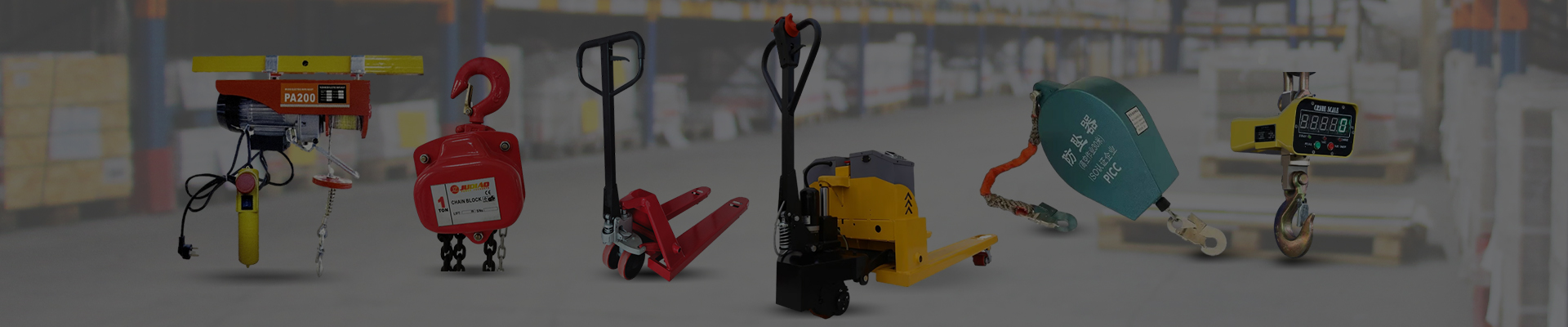


Having spent years working around industrial lifting equipment, I’ve come to appreciate what a trusty tool the 500kg chain pulley really is. It’s a simple yet robust device, and frankly, it feels like the backbone of many workshops and construction sites. You don’t always notice these workhorses until you desperately need to lift something heavy and precise… then, suddenly, you realize how irreplaceable they are.
Oddly enough, while the name sounds straightforward, there’s quite a bit beneath the surface when it comes to design, materials, and testing — all to ensure you don’t drop your load. In real terms, a 500kg chain pulley means it can safely lift up to 500 kilograms, roughly the weight of a grand piano or a small motorcycle. Not too shabby for a fairly compact device.
The basic principle is simple: a set of sprockets and chains designed to multiply your pulling force so you lift heavy loads with less effort. Typically, these pulleys feature precision steel gears, heat-treated chains, and rugged hooks, often crafted from alloy steel for extra strength. Many engineers say the reliability depends largely on these material choices and how finely the device is assembled.
One thing I’ve noticed over the years is that not all 500kg chain pulleys are created equal — stuff like smoothness of operation or how corrosion resistant the finish is can vary quite a bit. Some brands offer zinc-coated chains that stand up better in wet or outdoor conditions. If you’re operating in harsh environments, this can make all the difference.
| Specification | Details |
|---|---|
| Load Capacity | 500 kg (1,102 lbs) |
| Material | Alloy Steel Chain & Hooks, Heat-Treated Sprockets |
| Chain Finish | Zinc-Plated / Galvanized |
| Operation | Manual Hand Chain |
| Safety Factor | 5:1 or Higher |
| Weight | Approx. 5 kg |
From a practical standpoint, the 500kg capacity often hits a sweet spot — it’s heavy enough for many industrial applications but still manageable for one or two workers without a crane or forklift. I remember a client from a small fabrication shop telling me how investing in this type of chain pulley transformed their workflow: tasks that once took hours could be done in minutes, and safely, too.
Now, when we talk about choosing between different brands or suppliers, it helps to keep an eye on a few factors: build quality, warranty, after-sales support, and availability of replacement parts. Some vendors also offer customizable options, like longer chains or specialized hooks, which is handy when you work across different projects.
| Vendor | Warranty | Material Quality | Customization | Price Range |
|---|---|---|---|---|
| QYJULI | 2 Years | High Grade Alloy Steel | Yes | $$$ |
| Generic Brand A | 1 Year | Standard Steel | Limited | $ |
| Premium Brand B | 3 Years | Forged Alloy Steel | Yes, Extensive | $$$$ |
It’s funny how often I find myself drawn back to the “why” behind these tools. Sure, the specs and warranties matter, but at the end of the day, I guess what sticks with me is the trust — trust that when lifting a hefty load, the pulley won’t let you down. I suppose, in many ways, it’s not just about the machine itself, but the peace of mind it brings.
If you’re in the market for a reliable 500kg chain pulley, I’d encourage you to check out suppliers like QYJULI. Their units combine solid engineering with good customization options — which, honestly, makes a difference in real-world use.
So yeah, these pulleys may seem kind of old-school, but they’ve been refined over decades for a reason. They continue to save backs, speed up work, and keep things safe... which is why they remain staples in industrial setups worldwide.
Final takeaway: the right chain pulley isn’t just gear, it’s dependable muscle.
References:
1. Industrial Lifting Equipment Handbook, 2021.
2. “Material Strength in Chain Hoists,” Mechanical Engineering Journal, 2023.
3. Conversations with field engineers, 2018–2023.


 Afrikaans
 Albanian
 Amharic
 Arabic
 Armenian
 Azerbaijani
 Basque
 Belarusian
 Bengali
 Bosnian
 Bulgarian
 Catalan
 Cebuano
 China
China
 China (Taiwan)
 Corsican
 Croatian
 Czech
Czech
 Danish
 Dutch
Dutch
 Esperanto
 Estonian
 Finnish
 French
 Frisian
 Galician
 Georgian
 German
 Greek
Greek
 Gujarati
 Haitian Creole
 Hausa
Hausa
 Hawaiian
 Hebrew
 Hindi
Hindi
 Miao
Miao
 Hungarian
 Icelandic
 Igbo
Igbo
 Indonesian
 Irish
Irish
 Italian
 Japanese
 Javanese
 Kannada
 Kazakh
 Khmer
Khmer
 Rwandese
 Korean
 Kurdish
 Kyrgyz
 Lao
Lao
 Latin
Latin
 Latvian
 Lithuanian
 Luxembourgish
 Macedonian
 Malgashi
 Malay
Malay
 Malayalam
 Maltese
 Maori
Maori
 Marathi
 Mongolian
 Myanmar
 Nepali
 Norwegian
 Norwegian
 Occitan
 Pashto
 Persian
 Polish
 Portuguese
 Punjabi
 Romanian
 Russian
 Samoan
 Scottish Gaelic
 Serbian
 Sesotho
 Shona
Shona
 Sindhi
 Sinhala
 Slovak
 Slovenian
 Somali
 Spanish
 Sundanese
 Swahili
 Swedish
 Tagalog
 Tajik
Tajik
 Tamil
Tamil
 Tatar
Tatar
 Telugu
 Thai
Thai
 Turkish
 Turkmen
 Ukrainian
 Urdu
Urdu
 Uighur
 Uzbek
Uzbek
 Vietnamese
 Welsh
Welsh
 Bantu
Bantu
 Yiddish
 Yoruba
 Zulu
Zulu
 English