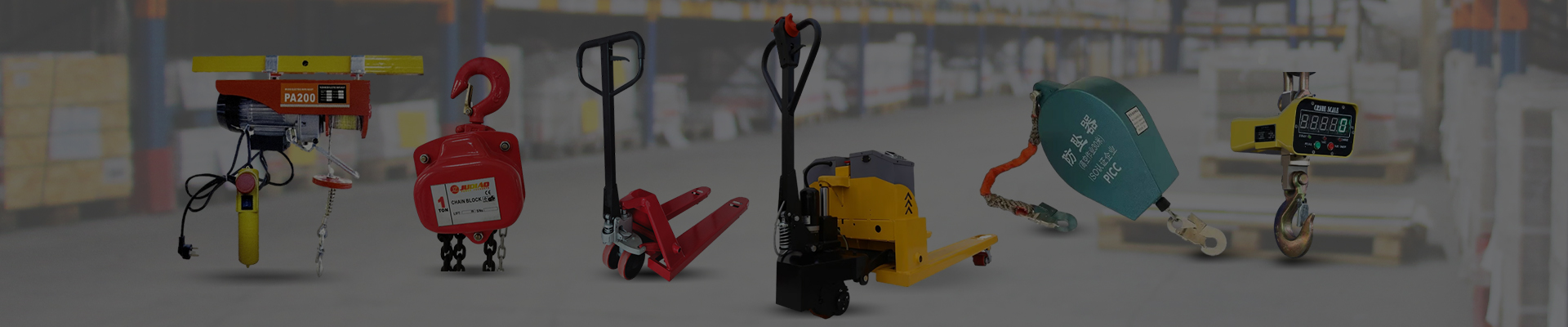


At first glance, a chain hoist factory might seem like just another industrial term lost in the maze of manufacturing jargon. But in reality, these factories play a crucial role worldwide by producing the machinery that powers heavy lifting operations — from construction sites in bustling cities to remote disaster relief zones. Understanding the what and why behind a chain hoist factory helps appreciate its impact on global infrastructure, safety, and industry efficiency.
Chain hoists are a vital piece of equipment, especially when it comes to industries needing reliable lifting solutions — think construction, shipping, mining, and manufacturing. According to the International Organization for Standardization (ISO 23853-1), chain hoists must meet stringent safety and durability criteria, and factories producing these units adhere to these global standards.
Did you know? The World Bank reports nearly 70% of infrastructure projects in developing countries rely on reliable lifting equipment to accelerate construction and reduce accidents. However, infrastructure development struggles with outdated equipment in many regions. This is where modern chain hoist factories step in, offering advanced, safer lifting tools that boost productivity and maintain worker safety — crucial in growing economies and emergency responses.
Mini takeaway: Investing in up-to-date chain hoist production ensures global industries can meet demand safely and efficiently.
Simply put, a chain hoist factory is a manufacturing facility dedicated to designing, assembling, and testing chain hoists — mechanical devices that lift or lower heavy loads using a chain wrapped around a drum or wheel. The factory oversees everything from sourcing materials, like high-tensile steel chains, to quality control, ensuring every hoist functions flawlessly under harsh conditions.
Chain hoist factories don't just supply equipment for industrial use — they’re often central to humanitarian efforts. For example, in post-disaster recovery zones, lightweight portable chain hoists can speed up debris removal or help erect emergency shelters, directly impacting recovery speed and safety.
Mini takeaway: Chain hoist factories produce the sturdy, reliable devices that form the backbone of many industrial and humanitarian operations worldwide.
Chain hoists often face gruelling environments — wet, dusty, or corrosive. Factories prioritize materials like galvanized steel and heat-treated chains to resist wear and corrosion. Durability isn’t just about lasting longer; it’s about preventing failures that could lead to costly downtime or worse, accidents.
Modern facilities emphasize exact mechanical tolerances and multiple brake systems to enhance safety. Pressure-testing, load-testing, and adherence to ISO and OSHA standards are non-negotiable to ensure each hoist can handle its rated capacity with zero risk of failure.
Factories today are often flexible enough to produce chain hoists tailored for different load capacities, speeds, and environments. Whether it's a tiny workshop or an offshore oil rig, scalable manufacturing lines cater to diverse client needs.
With environmental concerns growing, newer factories focus on designing chain hoists that minimize friction and power consumption, integrating energy-saving motors or components where electric hoists are involved.
Optimizing production costs without sacrificing quality is a balancing act. Many factories leverage lean manufacturing and supplier partnerships to keep prices competitive while ensuring top-notch equipment.
| Model | Load Capacity | Lift Height | Chain Material | Weight |
|---|---|---|---|---|
| QJY-2T | 2 tons | 3m | Alloy Steel | 22kg |
| QJY-5T | 5 tons | 6m | Heat-treated Steel | 45kg |
| QJY-10T | 10 tons | 9m | Galvanized Steel | 72kg |
Mini takeaway: Factories today strike a balance between safety, customization, and sustainability to address various industrial demands.
Chain hoist factories power industries all over the globe:
In India, for example, an NGO recently used lightweight chain hoists to rebuild communities following devastating floods — a small but powerful tool speeding up recovery.
Mini takeaway: The versatility of chain hoists manufactured globally spans critical industries and humanitarian missions alike.
When we talk numbers, chain hoist factories deliver cost savings by minimizing downtime and increasing operational speed. But there’s a more subtle value too — the assurance a solid, proven device brings to workers who rely on them daily.
The social impact is notable. A safer, easier-to-use hoist means fewer accidents and enhanced worker dignity. Innovation in these factories reflects respect for human life and effort, which is something you can’t always measure but definitely feel.
Several trends are shaping the future:
Mini takeaway: Chain hoist factories aren’t stuck in the past; they’re evolving with technology and sustainability in mind.
One challenge is balancing affordability with uncompromising safety, especially for factories supplying developing regions. Many have invested in modular manufacturing and streamlined supply chains to drive costs down without skimping on quality.
Another issue is variability in global standards. That’s why reputable chain hoist factories adhere strictly to international certifications, tailoring products where necessary to meet client regulations.
Lastly, training end-users remains critical. Some factories offer online resources or partner with clients on usage training, which drastically reduces misuse and prolongs hoist life.
| Factory Name | Product Range | Certifications | Customization | Average Delivery Time |
|---|---|---|---|---|
| QJY Chain Works | 1T to 20T capacities, electric & manual | ISO 23853, CE, OSHA | Yes, up to 50% design adaptation | 3-5 weeks |
| Global Hoist Co. | 0.5T to 15T, focus on electric hoists | ISO 9001, CE | Limited - mainly standard models | 4-6 weeks |
| LiftPro Manufacturing | Wide range including special alloys | ISO 23853, CE, SGS | Full customization available | 5-7 weeks |
At the end of the day, chain hoist factories do far more than crank out metal gears and links — they build the tools that keep industries moving, cities growing, and disaster zones recovering safely. Investing in quality hoist manufacturing means investing in safety, efficiency, and global progress.
For those looking to source reliable chain hoists backed by innovation, safety, and customization, visit our website at https://www.qyjuli.com and explore how the right factory partnership can elevate your operations.


 Afrikaans
 Albanian
 Amharic
 Arabic
 Armenian
 Azerbaijani
 Basque
 Belarusian
 Bengali
 Bosnian
 Bulgarian
 Catalan
 Cebuano
 China
China
 China (Taiwan)
 Corsican
 Croatian
 Czech
Czech
 Danish
 Dutch
Dutch
 Esperanto
 Estonian
 Finnish
 French
 Frisian
 Galician
 Georgian
 German
 Greek
Greek
 Gujarati
 Haitian Creole
 Hausa
Hausa
 Hawaiian
 Hebrew
 Hindi
Hindi
 Miao
Miao
 Hungarian
 Icelandic
 Igbo
Igbo
 Indonesian
 Irish
Irish
 Italian
 Japanese
 Javanese
 Kannada
 Kazakh
 Khmer
Khmer
 Rwandese
 Korean
 Kurdish
 Kyrgyz
 Lao
Lao
 Latin
Latin
 Latvian
 Lithuanian
 Luxembourgish
 Macedonian
 Malgashi
 Malay
Malay
 Malayalam
 Maltese
 Maori
Maori
 Marathi
 Mongolian
 Myanmar
 Nepali
 Norwegian
 Norwegian
 Occitan
 Pashto
 Persian
 Polish
 Portuguese
 Punjabi
 Romanian
 Russian
 Samoan
 Scottish Gaelic
 Serbian
 Sesotho
 Shona
Shona
 Sindhi
 Sinhala
 Slovak
 Slovenian
 Somali
 Spanish
 Sundanese
 Swahili
 Swedish
 Tagalog
 Tajik
Tajik
 Tamil
Tamil
 Tatar
Tatar
 Telugu
 Thai
Thai
 Turkish
 Turkmen
 Ukrainian
 Urdu
Urdu
 Uighur
 Uzbek
Uzbek
 Vietnamese
 Welsh
Welsh
 Bantu
Bantu
 Yiddish
 Yoruba
 Zulu
Zulu
 English