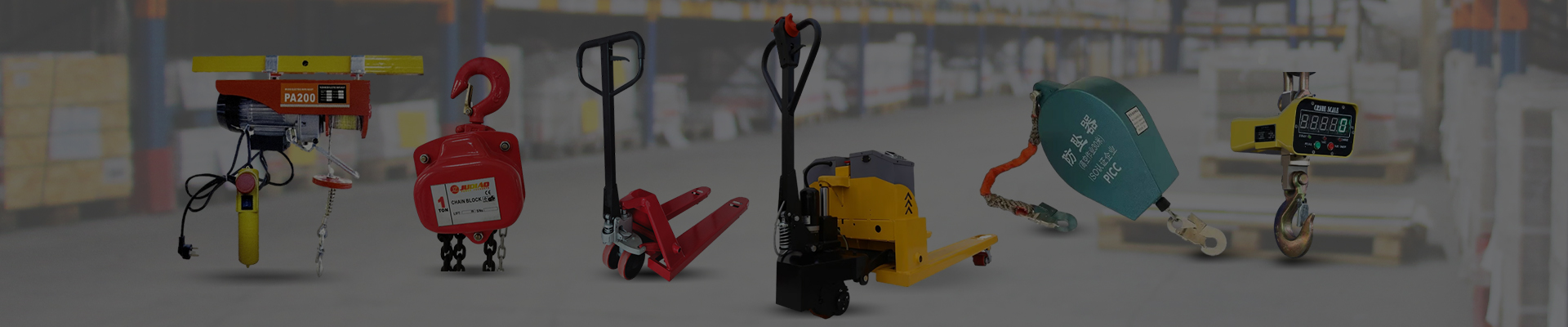


If you’ve ever noticed cranes lifting heavy materials on bustling construction sites or seen lagging progress because of limited lifting power, you might not realize the importance of a dedicated lifting device like the pa800 electric hoist. This engineered tool has quietly become a backbone in industries ranging from manufacturing to disaster relief worldwide. Essentially, it’s about harnessing mechanical muscle smoothly and safely — something that’s unfortunately quite a challenge in many remote or developing regions.
Why should you care? Aside from speeding up jobs, reducing injuries, and optimizing material handling, understanding the pa800 electric hoist unlocks insights into how modern industry blends innovation and reliability. This is crucial in a global economy where efficiency isn’t just a nice-to-have but a survival factor.
Grab any recent UN industrial development report, and you’ll see the word “infrastructure” popping up frequently—with material handling as a persistent bottleneck. The International Labour Organization reports that workplace injuries related to manual lifting constitute a significant portion of industrial accidents worldwide. It’s not just a problem in wealthy countries; many developing regions face even greater risks due to outdated equipment or lack of automation.
Enter the pa800 electric hoist, a tool designed with power, precision, and portability in mind. According to ISO standards for lifting equipment, machines like this hoist increase both safety and productivity. This particular model, renowned for its 800-kg lifting capacity, responds directly to the need for robust yet user-friendly lifting solutions.
The rising demand is spurred by rapid urbanization in Asia and Africa, expansion of heavy industries, and, oddly enough, the increasing focus on humanitarian logistics where fast, safe deployment of materials is crucial. Not addressing this gap can slow projects, inflate costs, and even risk lives.
At its core, a pa800 electric hoist is a motorized lifting device designed to move heavy loads vertically with minimal manual effort. The “pa800” denotes its approximate weight capacity—about 800 kilograms, which is enough for a surprising range of industrial tasks. Imagine a tool that can effortlessly haul bulky machinery parts or palletized goods up and down a warehouse without sweating, straining, or risking injury.
Modern hoists transform a warehouse or job site into a safer, smarter workspace. While the concept is age-old, leveraging reliable electric motors and steel cables or chains, the pa800 innovates by balancing power, compact design, and ease of use. It aligns well with demands from manufacturing floors, construction sites, and even emergency response units.
Much like a dependable old truck, the pa800 can endure harsh environments — be it dusty construction zones or humid warehouses. Its components (steel casing, heavy-duty gears) are chosen for long-term reliability and minimal maintenance.
Unlike the clunky cranes you see towering above, this hoist fits comfortably into smaller rigs or overhead rails. Engineers often praise its balance of power and form factor — a real asset when space is tight.
One can never underestimate the lives saved by precise braking systems, overload sensors, and emergency stops. The pa800 incorporates these essentials, earning trust on crowded industrial floors.
Thanks to more efficient motors, the energy consumption is reasonable, which matters especially in regions where power may be intermittent or costly.
Integrated controls — often remote or pendant-operated — let operators move heavy items with precision. It’s an ergonomic win, reducing physical strain and the chance of accidental drops.
| Specification | Details |
|---|---|
| Lifting Capacity | 800 kg (approx.) |
| Power Supply | 220V / 380V (3-phase available) |
| Lifting Speed | 6 m/min |
| Motor Power | 1.5 kW |
| Control Type | Pendant Remote Control |
| Weight | Approx. 35 kg |
This tool is a favorite across multiple sectors, including manufacturing plants in Germany, logistics warehouses in the US, and mining operations in South Africa. In post-disaster relief, such as after earthquakes or floods, NGOs have reported relying on portable electric hoists to speed up rebuilding efforts, lifting debris safely, and delivering emergency materials efficiently.
In remote industrial zones where skilled manpower is scarce, the pa800 offers a quick, reliable way to get heavy equipment into place without specialized cranes. Some Southeast Asian construction firms even customize these hoists to fit tight schedules and rugged terrain.
| Vendor | Warranty | Price Range | Additional Services |
|---|---|---|---|
| QYJULI Hoists | 2 Years | $1,200 - $1,500 | Customization, On-site Install |
| GlobalLift Co. | 1 Year | $1,000 - $1,350 | 24/7 Support, Training |
| LiftPro Solutions | 3 Years | $1,400 - $1,700 | Extended Warranty, Spare Parts |
The quality of life, both on-site and beyond, is often underestimated when it comes to lifting tools. The pa800 electric hoist helps reduce back strain injuries, speeding up workflow and instilling trust among workers. From a business perspective, less downtime and faster handling translate directly into profitability.
Besides the obvious, I noticed how organizations tout greater sustainability by choosing energy-efficient hoists. When every watt counts, this adds up. Emotionally, it’s reassuring to know the equipment in your hands complies with strict safety standards — that dignity and responsibility speak volumes.
Here’s where it gets exciting: engineers are now integrating IoT sensors into hoists like the pa800 to remotely monitor load stresses, usage patterns, and maintenance needs — potentially preventing failures before they happen. Electric drives are becoming more efficient and quieter thanks to advances in brushless motor tech.
Green energy also keeps creeping in. Some manufacturers experiment with solar-assisted power systems especially for sites off-grid. As automation creeps into every industrial corner, I wouldn’t be surprised if pa800 derivatives link directly with smart warehouse management systems.
One sticking point remains the initial investment — not all small enterprises can afford brand-new, electric hoists without financing help. Power reliability in remote zones can also limit continuous use. However, modular designs and hybrid power options have come a long way to mitigate those problems.
Maintenance training is another area where some stalls happen. Partnering with vendors offering on-site training or digital tutorials seems a sensible fix. As digital adoption grows, operators can also perform diagnostics without waiting for specialists.
In the end, investing in the right electric hoist is about more than equipment — it’s about creating safer workplaces, efficient workflows, and dependable projects that stand the test of time. The pa800 electric hoist ticks those boxes nicely, with an eye toward future tech and sustainability.
If you’re in charge of procurement or operations, it’s worth considering this small but powerful device. You’ll find that machinery like this doesn’t just lift loads — it lifts standards.
Visit our website to learn more about how the pa800 electric hoist can transform your productivity: https://www.qyjuli.com


 Afrikaans
 Albanian
 Amharic
 Arabic
 Armenian
 Azerbaijani
 Basque
 Belarusian
 Bengali
 Bosnian
 Bulgarian
 Catalan
 Cebuano
 China
China
 China (Taiwan)
 Corsican
 Croatian
 Czech
Czech
 Danish
 Dutch
Dutch
 Esperanto
 Estonian
 Finnish
 French
 Frisian
 Galician
 Georgian
 German
 Greek
Greek
 Gujarati
 Haitian Creole
 Hausa
Hausa
 Hawaiian
 Hebrew
 Hindi
Hindi
 Miao
Miao
 Hungarian
 Icelandic
 Igbo
Igbo
 Indonesian
 Irish
Irish
 Italian
 Japanese
 Javanese
 Kannada
 Kazakh
 Khmer
Khmer
 Rwandese
 Korean
 Kurdish
 Kyrgyz
 Lao
Lao
 Latin
Latin
 Latvian
 Lithuanian
 Luxembourgish
 Macedonian
 Malgashi
 Malay
Malay
 Malayalam
 Maltese
 Maori
Maori
 Marathi
 Mongolian
 Myanmar
 Nepali
 Norwegian
 Norwegian
 Occitan
 Pashto
 Persian
 Polish
 Portuguese
 Punjabi
 Romanian
 Russian
 Samoan
 Scottish Gaelic
 Serbian
 Sesotho
 Shona
Shona
 Sindhi
 Sinhala
 Slovak
 Slovenian
 Somali
 Spanish
 Sundanese
 Swahili
 Swedish
 Tagalog
 Tajik
Tajik
 Tamil
Tamil
 Tatar
Tatar
 Telugu
 Thai
Thai
 Turkish
 Turkmen
 Ukrainian
 Urdu
Urdu
 Uighur
 Uzbek
Uzbek
 Vietnamese
 Welsh
Welsh
 Bantu
Bantu
 Yiddish
 Yoruba
 Zulu
Zulu
 English