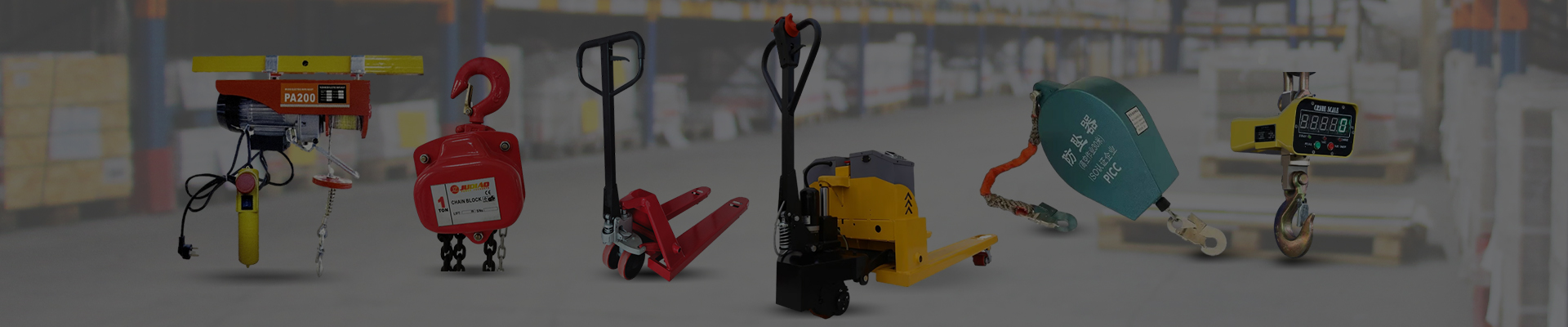


Having worked around all shapes and sizes of lifting equipment for over a decade, I can say the small electric hoist 240v remains one of those quietly reliable workhorses folks often overlook until they really need one. These compact units pack a surprisingly robust punch, especially in workshop or light industrial setups where space is tight but efficiency can't be compromised.
Now, you might wonder — why exactly 240 volts? Frankly, that voltage hits a sweet spot for these hoists. It offers sufficient power to handle moderate lifting tasks without the hefty electrical demands of three-phase industrial gear. Oddly enough, this makes it easier to integrate into smaller facilities that might not have heavy infrastructure but still want consistent, safe lifting capability.
From my experience, one of the first impressions you get with these hoists is how well-designed their motor and gearbox are despite their size. The materials often include high-grade steel link chains or wire ropes, which balance durability with weight considerations — nobody wants a hoist so heavy it defeats portability. Also, manufacturers tend to rigorously test limits and safety factors; I recall visiting a facility where each unit underwent load testing at 1.25 times its rated capacity before shipping.
The usability is quite straightforward too. Controls are typically simple—either wired with pendant switches or wireless remotes for flexibility. It’s not uncommon to see these units hanging steadily on I-beams or custom brackets, wherever you need to lift a motor, a pallet, or even assemble a machine with precision. A colleague once shared that a small fab shop cut their crane rental costs dramatically by investing in a few of these 240v hoists.
Before buying, it’s good to consider the environment and duty cycle. Some models are rated for light duty—occasional lifts in dry, indoor conditions—while others can handle rougher use, even mild outdoor work (weather and electrical protection differs here). I suppose, like any tool, matching the hoist specs to your actual needs saves headaches down the line.
| Feature | Specification |
|---|---|
| Voltage | 240V AC |
| Power Rating | 750W–1500W (varies by model) |
| Lifting Capacity | 250 kg to 1000 kg |
| Lifting Height | 3 m to 12 m (customizable) |
| Chain/Wire Rope | High-strength steel, grade 80 or 100 |
| Control | Pendant wired or wireless remote |
| Duty Cycle | M3 to M4 (medium to heavy duty available) |
| Safety Features | Limit switches, thermal overload protection |
Since you asked about vendors, here’s a quick rundown of three who dominate mid-range 240v hoists, based on what I’ve seen in the field:
| Vendor | Lifting Capacity | Build Quality | Price Range | Notable Features |
|---|---|---|---|---|
| QYJuli | 250–1000 kg | Robust steel casing, grade 80 chain | $$ | Wireless option, customizable lengths |
| LiftMaster Pro | 300–1200 kg | Heavy-duty housing, premium motor | $$$ | Extended warranty, high duty cycle rating |
| EasyLift | 200–800 kg | Lightweight design, decent build | $ | Basic controls, compact footprint |
One anecdote that stuck with me: a small automotive workshop moved from manual chain hoists to these 240v electric units and saw a 40% productivity bump in overhead lifting tasks alone. The operators appreciated the smoother lifts, and the reduced physical strain was a subtle but meaningful win. Oddly enough, the initial hesitation about cost evaporated pretty quickly once they weighed time saved and fewer minor injuries.
Of course, selecting the right small electric hoist isn’t just about specs or brand names. It's about knowing your load profiles, installation conditions, and longevity requirements. If you shop carefully and balance features with budget, these hoists generally deliver solid, trouble-free service for years.
So yes, small electric hoist 240v units might look modest, but in real terms, they’re quietly mighty tools for everyday lifting challenges. I’d recommend anyone in light to medium industrial work seriously consider them before reaching for bulkier or pricier gear.
Would I rely on one for all lifting needs? Probably not — heavy-duty environments demand heavier lifting solutions — but for many jobs, they strike a nice balance of versatility, safety, and affordability.
Takeaway: Sometimes, the best industrial gear isn’t the flashiest but the dependable tool you feel confident to run day after day.
References:


 Afrikaans
 Albanian
 Amharic
 Arabic
 Armenian
 Azerbaijani
 Basque
 Belarusian
 Bengali
 Bosnian
 Bulgarian
 Catalan
 Cebuano
 China
China
 China (Taiwan)
 Corsican
 Croatian
 Czech
Czech
 Danish
 Dutch
Dutch
 Esperanto
 Estonian
 Finnish
 French
 Frisian
 Galician
 Georgian
 German
 Greek
Greek
 Gujarati
 Haitian Creole
 Hausa
Hausa
 Hawaiian
 Hebrew
 Hindi
Hindi
 Miao
Miao
 Hungarian
 Icelandic
 Igbo
Igbo
 Indonesian
 Irish
Irish
 Italian
 Japanese
 Javanese
 Kannada
 Kazakh
 Khmer
Khmer
 Rwandese
 Korean
 Kurdish
 Kyrgyz
 Lao
Lao
 Latin
Latin
 Latvian
 Lithuanian
 Luxembourgish
 Macedonian
 Malgashi
 Malay
Malay
 Malayalam
 Maltese
 Maori
Maori
 Marathi
 Mongolian
 Myanmar
 Nepali
 Norwegian
 Norwegian
 Occitan
 Pashto
 Persian
 Polish
 Portuguese
 Punjabi
 Romanian
 Russian
 Samoan
 Scottish Gaelic
 Serbian
 Sesotho
 Shona
Shona
 Sindhi
 Sinhala
 Slovak
 Slovenian
 Somali
 Spanish
 Sundanese
 Swahili
 Swedish
 Tagalog
 Tajik
Tajik
 Tamil
Tamil
 Tatar
Tatar
 Telugu
 Thai
Thai
 Turkish
 Turkmen
 Ukrainian
 Urdu
Urdu
 Uighur
 Uzbek
Uzbek
 Vietnamese
 Welsh
Welsh
 Bantu
Bantu
 Yiddish
 Yoruba
 Zulu
Zulu
 English