

When it comes to lifting heavy loads safely and efficiently, a 3 ton chain hoist 20 ft is an indispensable tool. This article provides a detailed overview of these hoists, covering their applications, features, safety considerations, and factors to consider when purchasing. Whether you’re in construction, manufacturing, or any industry requiring heavy lifting, understanding the capabilities of a 3 ton chain hoist is crucial. We will cover everything from specifications to maintenance.
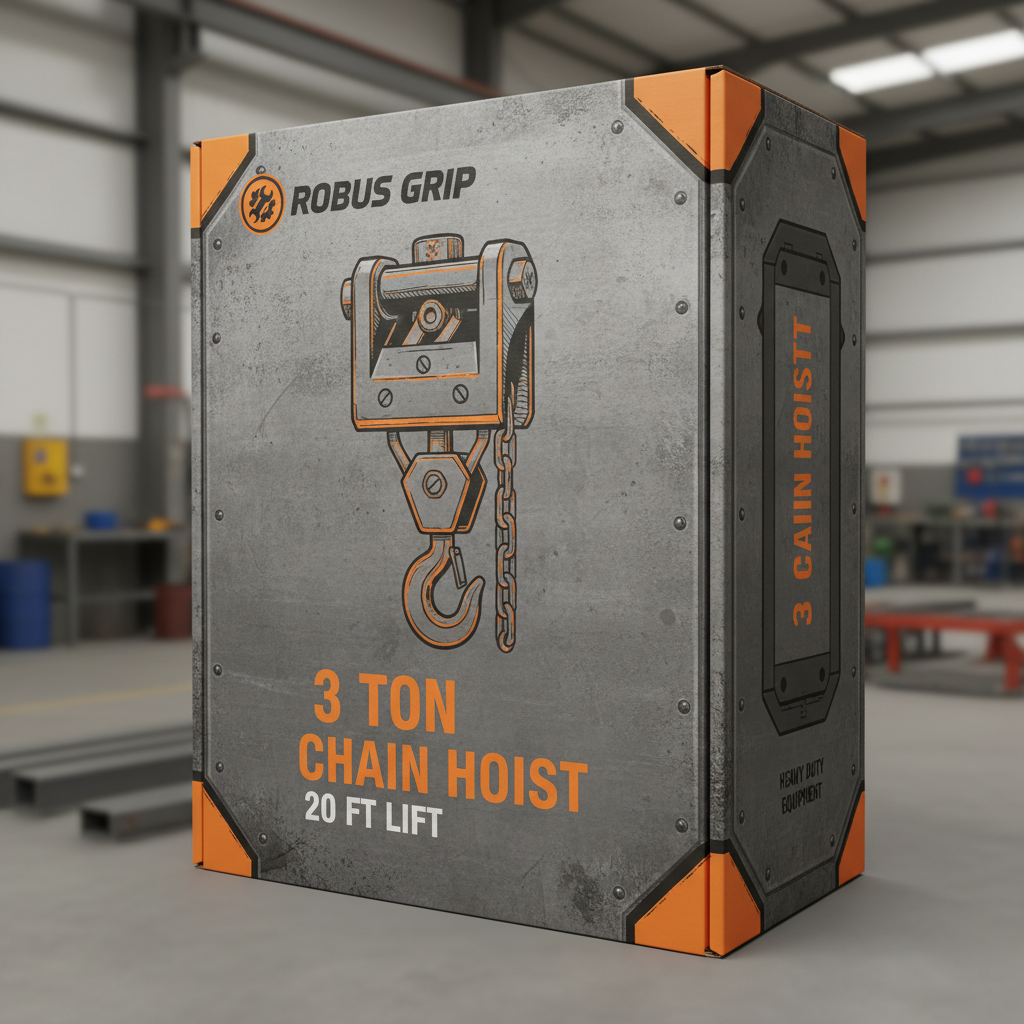
A 3 ton (6000 lbs) chain hoist with a 20 ft lift is remarkably versatile. Common applications include: construction sites for lifting materials, manufacturing facilities for moving machinery components, warehouses for loading and unloading trucks, automotive shops for engine removal, and rigging operations in entertainment and events. The 20 ft lift height provides ample reach for many tasks, while the 3-ton capacity handles substantial weight. Because of its relatively high capacity and useful lift, a 3 ton chain hoist 20 ft is a popular choice for a broad range of industries.
Chain hoists offer several advantages over other lifting methods. They provide precise control, allowing for accurate positioning of loads. They are also relatively compact and portable, making them easy to maneuver and set up. Unlike lever hoists, chain hoists are often powered, offering greater speed and efficiency for repetitive lifts. The rugged construction of chain hoists ensures durability and a long service life, even in demanding environments. Furthermore, they are available in various configurations, including hand chain, electric, and air-powered models.
Key Highlights: Precise load control, portability, durability, and multiple power options (hand chain, electric, air-powered).
Selecting the appropriate chain hoist depends on several factors. Consider the lifting frequency, the environment, and the power source available. Electric chain hoists are ideal for high-volume lifting and offer faster operation. Air-powered hoists are suitable for explosive environments. Hand chain hoists are a cost-effective option for occasional use. Additionally, carefully evaluate the lift height requirements and ensure the 20 ft capacity meets your needs. Qyjuli offers a wide range of chain hoists to suit various applications.
Factors to Consider:
• Lifting frequency and speed requirements
• Environmental conditions (explosive atmospheres)
• Power source availability
• Required lift height
Understanding the technical specifications is vital. Here's a table comparing different types of 3 ton chain hoists:
Safety is paramount when operating a chain hoist. Always inspect the hoist and chain for damage before each use. Ensure the lifting points are strong enough to support the load. Never exceed the rated capacity of the hoist. Avoid sudden movements or jerking motions. Keep clear of the load path. Wear appropriate personal protective equipment (PPE), including safety glasses and gloves. Regular maintenance and inspection are crucial to ensure the continued safe operation of the hoist. Always consult the manufacturer's guidelines for specific safety instructions. For reliable and safe 3 ton chain hoists 20 ft, choose a trusted supplier.
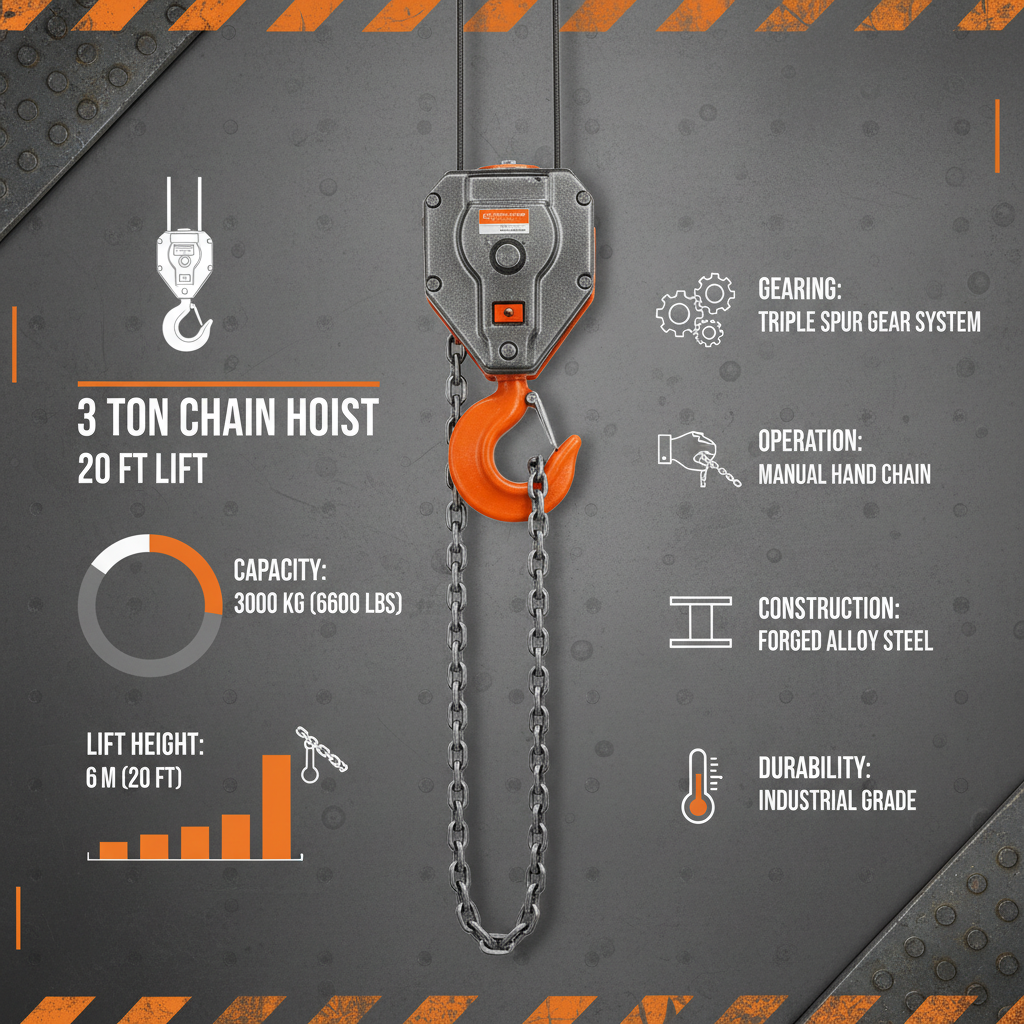
Regular maintenance is essential for extending the life and ensuring the safe operation of your chain hoist. Keep the chain lubricated with a suitable chain oil. Inspect the chain for wear and tear, and replace it if necessary. Check the gears and bearings for proper lubrication and adjust or replace them as needed. Clean the hoist regularly to remove dirt and debris. Store the hoist in a dry environment to prevent corrosion. Following a consistent maintenance schedule will significantly reduce the risk of breakdowns and ensure reliable performance.
A 3 ton chain hoist 20 ft is a powerful and versatile lifting tool. By understanding its applications, features, and safety considerations, you can make an informed decision and select the right hoist for your needs. Prioritizing safety and regular maintenance will ensure reliable performance and a long service life. Choose quality and invest in a hoist from a reputable supplier like Qyjuli.
Before each use, carefully inspect the chain for any signs of damage, such as kinks, bends, or worn links. Check the hoist's gears and bearings for smooth operation and proper lubrication. Examine the lifting hook for cracks or deformation. Also, verify that all safety devices, such as the load brake, are functioning correctly. If any defects are found, do not use the hoist until the issue is addressed. Regular inspections are critical for preventing accidents and ensuring the hoist's safe operation.
Use a high-quality chain lubricant specifically designed for lifting chains. Avoid using general-purpose oils or greases, as they may attract dirt and debris, reducing the chain's efficiency and lifespan. A penetrating lubricant is ideal, as it can reach the internal parts of the chain. Apply the lubricant evenly along the entire length of the chain and wipe off any excess. Regular lubrication is crucial for minimizing friction and preventing corrosion.
The chain should be replaced when it shows signs of significant wear and tear, such as excessive stretching, corrosion, or damaged links. Follow the manufacturer's recommendations for chain replacement intervals, but also consider the frequency of use and the severity of the working conditions. Regular inspections will help you identify when the chain needs to be replaced. Ignoring a worn chain can compromise the hoist's safety and lead to a potential failure.
Essential safety features include a robust load brake to prevent accidental lowering, a safety guard to protect the gears and chain, and a durable lifting hook with a safety latch. Look for hoists that meet relevant safety standards and certifications. Additionally, consider features like overload protection, which automatically stops the hoist if the load exceeds its capacity. Always prioritize safety when selecting a chain hoist.


 Afrikaans
 Albanian
 Amharic
 Arabic
 Armenian
 Azerbaijani
 Basque
 Belarusian
 Bengali
 Bosnian
 Bulgarian
 Catalan
 Cebuano
 China
China
 China (Taiwan)
 Corsican
 Croatian
 Czech
Czech
 Danish
 Dutch
Dutch
 Esperanto
 Estonian
 Finnish
 French
 Frisian
 Galician
 Georgian
 German
 Greek
Greek
 Gujarati
 Haitian Creole
 Hausa
Hausa
 Hawaiian
 Hebrew
 Hindi
Hindi
 Miao
Miao
 Hungarian
 Icelandic
 Igbo
Igbo
 Indonesian
 Irish
Irish
 Italian
 Japanese
 Javanese
 Kannada
 Kazakh
 Khmer
Khmer
 Rwandese
 Korean
 Kurdish
 Kyrgyz
 Lao
Lao
 Latin
Latin
 Latvian
 Lithuanian
 Luxembourgish
 Macedonian
 Malgashi
 Malay
Malay
 Malayalam
 Maltese
 Maori
Maori
 Marathi
 Mongolian
 Myanmar
 Nepali
 Norwegian
 Norwegian
 Occitan
 Pashto
 Persian
 Polish
 Portuguese
 Punjabi
 Romanian
 Russian
 Samoan
 Scottish Gaelic
 Serbian
 Sesotho
 Shona
Shona
 Sindhi
 Sinhala
 Slovak
 Slovenian
 Somali
 Spanish
 Sundanese
 Swahili
 Swedish
 Tagalog
 Tajik
Tajik
 Tamil
Tamil
 Tatar
Tatar
 Telugu
 Thai
Thai
 Turkish
 Turkmen
 Ukrainian
 Urdu
Urdu
 Uighur
 Uzbek
Uzbek
 Vietnamese
 Welsh
Welsh
 Bantu
Bantu
 Yiddish
 Yoruba
 Zulu
Zulu
 English