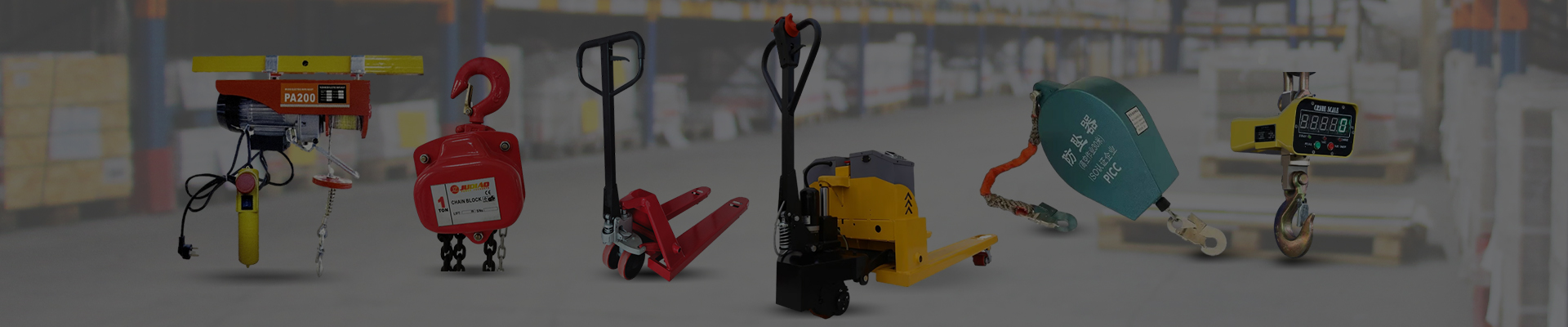


If you’ve ever needed to lift, pull, or position heavy loads safely, you might have encountered—or at least heard about—the trusty electric winch. Yet, the mini electric winch brings that same muscle in a far smaller package, making life a lot easier for many industries worldwide. From remote construction sites to fast-paced emergency relief zones, understanding these compact machines goes beyond curiosity. It’s about grasping how simple engineering can solve thorny problems in logistics, safety, and productivity.
Oddly enough, these little powerhouses have been quietly yet critically changing workflows, saving time, money, and sometimes even lives. So buckle up, because the story of the mini electric winch is worth a closer look.
The global industrial landscape is evolving fast. According to the International Organization for Standardization (ISO), efficient material handling equipment has become a non-negotiable across manufacturing, disaster relief, marine, and even entertainment industries (like movie sets or rigs). Mini electric winches, while niche compared to larger lifting systems, provide a unique answer to spatial limitations and quick deployment needs worldwide.
For example, the United Nations’ disaster management reports indicate that in remote or ravaged areas where infrastructure is damaged, rapid deployment of tools like mini electric winches significantly increases the speed of recovery and reduces human strain. These devices allow crew members to reposition heavy debris or equipment without large crane assemblies, which may be impossible to transport.
In short, as structures get more compact and job sites tighter, these mini winches fill critical gaps — and it’s not just about muscle; it’s about smart, portable technology that meets a clear need.
A mini electric winch is a compact mechanical device powered by electricity designed to pull or lift loads using a cable or rope wound onto a drum. Compared to traditional winches that can be bulky and require large power sources, mini electric winches tend to weigh less, fit into tight spaces, and run on manageable voltages—often 12V or 24V DC power supplies. This makes them ideal for applications where portability and ease of use are crucial.
From fishermen pulling nets, to emergency teams lifting parts of collapsed structures, the mini electric winch is like a small but mighty helper. Thanks to modern materials and motor technology, these winches are often surprisingly durable and reliable for their size.
The heart of any mini electric winch is its motor. Brushless motors are becoming quite popular because they offer longer life, quieter operation, and less maintenance. Many engineers I’ve spoken with swear by DC motors with thermal protection, ensuring that the device won’t overheat during heavy loads.
High-grade steel drums and corrosion-resistant housing (often aluminum alloy or treated steel) enhance lifespan, especially in marine or outdoor environments. In fact, many models now feature IP65 or higher waterproof ratings – a must in rough conditions.
Most mini electric winches have a rated load capacity between 300 to 1,000 lbs (roughly 135-450 kg). Safety is critical—with automatic braking systems and overload protection becoming standard to prevent accidents. Oddly enough, some manufacturers incorporate remote-control options to allow operators to stay a safe distance away.
While steel wire ropes are strong and durable, synthetic ropes are lighter and easier to handle. Choosing the right option depends on the application. Some devices come with changeable cables, which expand their versatility.
Since the whole point is compactness, weight and mounting options matter. Many mini electric winches come with multiple anchor points and can be easily integrated into different vehicles or stationary setups. Quick mounting and dismounting is often vital in mission-critical uses.
The value of mini electric winches stretches far beyond individual workshops. For example:
Each of these applications underscores how the mini electric winch isn’t just a tool — it’s a versatile partner allowing fast, safe, and efficient lifting or pulling wherever large gear isn’t practical.
| Feature | Typical Mini Electric Winch |
|---|---|
| Load Capacity | 450 lbs (204 kg) |
| Motor Type | Brushless DC motor |
| Power Supply | 12 V DC, battery-operated |
| Cable Material | Synthetic rope (15 m length) |
| Weight | 6.8 kg (15 lbs) |
| Safety Features | Auto-brake, overload protection |
| Brand | Load Capacity | Price Range | Warranty | Key Feature |
|---|---|---|---|---|
| QuickPull | 500 lbs | $300-$400 | 2 years | Remote control operation |
| LiftMate | 400 lbs | $250-$350 | 1 year | Lightweight aluminum body |
| EcoWinch | 450 lbs | $350-$450 | 3 years | Energy-efficient brushless motor |
There’s a lot to like here, practically and emotionally.
Many users say that having a mini electric winch is less about the tool itself and more about what it unlocks: faster workflows, safer work environments, and sometimes just peace of mind.
Tech trends that caught my eye recently include integration of IoT (Internet of Things) monitoring for predictive maintenance — basically smart winches that tell you when they need a checkup. Then there’s greener power sources: solar-charged battery packs to reduce dependency on grid or vehicle power. Automated tension control systems, too, are starting to crop up, improving precision in difficult lifts and reducing operator error.
In the next 5-10 years, don't be surprised if mini electric winches become more customizable via apps — tailor settings for specific tasks and terrains. This sort of digital transformation is rippling across all industrial equipment, winches included.
Despite their perks, mini electric winches have limits: load capacity is relatively low; battery life can be a headache in extended operations; and robust maintenance is key to longevity. Also, in very harsh conditions — think saltwater spraying or extreme cold — corrosion or motor degradation can happen faster than you'd like.
Solutions? Better materials, like marine-grade coatings; modular parts for easy field repair; and enhanced battery tech. Manufacturers are also focusing on universal mounts to simplify swapping winches between vehicles or setups, which is a huge help in emergency or multi-use scenarios.
A: It depends on your expected loads. For light-duty recovery or equipment handling, a 400-600 lbs capacity is common. Always choose a winch with a rating above your maximum expected load to ensure safety and durability.
A: Regularly inspect cables for fraying, keep motors clean and dry, test brakes, and follow manufacturer guidelines for lubrication. Store in a dry place when not in use to avoid corrosion.
A: Yes, but it’s crucial to confirm the ingress protection (IP) rating. IP65 or above indicates good water resistance. After exposure to moisture, drying and checking electrical parts is advisable.
A: Synthetic ropes are lighter and safer regarding recoil injuries, making them popular for portability. Steel cables are more abrasion-resistant and suited for rougher environments. Your choice depends on your specific needs.
A: Absolutely, especially in hazardous conditions or complex lifts. Remote control increases operator safety and control precision.
Mini electric winches may seem modest and specialized, but their global footprint speaks volumes. They solve real-world challenges — from humanitarian aid to rugged industrial jobs — with simplicity and power. If you’re curious to explore the range and latest innovations, be sure to check out resources like mini electric winch experts offer, where variety meets quality.
So next time you see a small winch quietly hauling a load, remember it’s not just a gear — it’s a vital piece of the productivity puzzle worldwide.


 Afrikaans
 Albanian
 Amharic
 Arabic
 Armenian
 Azerbaijani
 Basque
 Belarusian
 Bengali
 Bosnian
 Bulgarian
 Catalan
 Cebuano
 China
China
 China (Taiwan)
 Corsican
 Croatian
 Czech
Czech
 Danish
 Dutch
Dutch
 Esperanto
 Estonian
 Finnish
 French
 Frisian
 Galician
 Georgian
 German
 Greek
Greek
 Gujarati
 Haitian Creole
 Hausa
Hausa
 Hawaiian
 Hebrew
 Hindi
Hindi
 Miao
Miao
 Hungarian
 Icelandic
 Igbo
Igbo
 Indonesian
 Irish
Irish
 Italian
 Japanese
 Javanese
 Kannada
 Kazakh
 Khmer
Khmer
 Rwandese
 Korean
 Kurdish
 Kyrgyz
 Lao
Lao
 Latin
Latin
 Latvian
 Lithuanian
 Luxembourgish
 Macedonian
 Malgashi
 Malay
Malay
 Malayalam
 Maltese
 Maori
Maori
 Marathi
 Mongolian
 Myanmar
 Nepali
 Norwegian
 Norwegian
 Occitan
 Pashto
 Persian
 Polish
 Portuguese
 Punjabi
 Romanian
 Russian
 Samoan
 Scottish Gaelic
 Serbian
 Sesotho
 Shona
Shona
 Sindhi
 Sinhala
 Slovak
 Slovenian
 Somali
 Spanish
 Sundanese
 Swahili
 Swedish
 Tagalog
 Tajik
Tajik
 Tamil
Tamil
 Tatar
Tatar
 Telugu
 Thai
Thai
 Turkish
 Turkmen
 Ukrainian
 Urdu
Urdu
 Uighur
 Uzbek
Uzbek
 Vietnamese
 Welsh
Welsh
 Bantu
Bantu
 Yiddish
 Yoruba
 Zulu
Zulu
 English