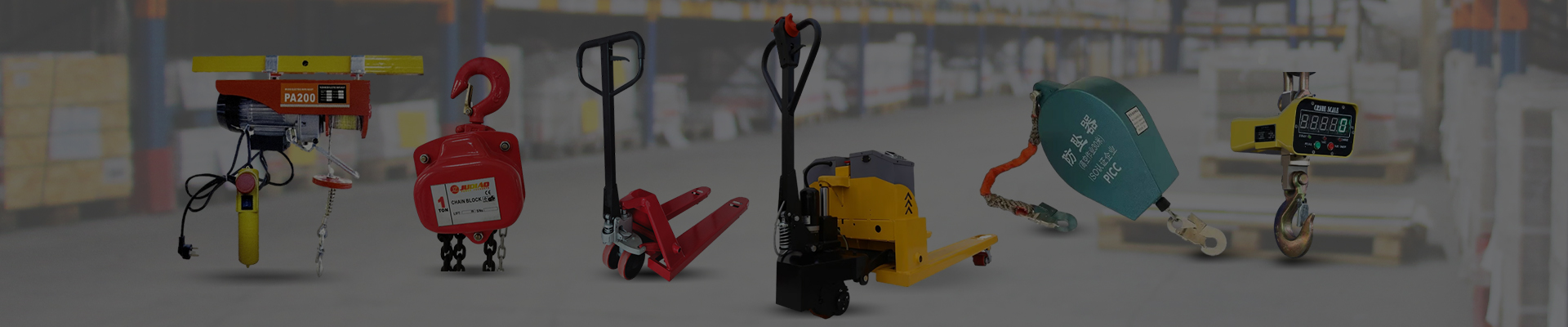


Chain hoists may not be the flashiest pieces of industrial equipment, but their importance can't be overstated. In factories, construction sites, warehouses, and even humanitarian relief operations, these devices play a critical role in safely lifting heavy loads with precision and reliability. The chain hoist supplier is the silent partner behind ensuring these tools arrive when and where they're needed—acting as a crucial link in global supply chains.
Understanding the key benefits of working with a reliable chain hoist supplier helps industries reduce downtime, increase safety, and innovate better lifting solutions. Whether you’re an industrial engineer or managing a remote relief project, this topic deserves a closer look.
According to the International Organization for Standardization (ISO), lifting equipment adherence to safety standards impacts millions of workers worldwide. The global market for industrial hoists is set to grow steadily, driven by sectors such as manufacturing, shipping, and energy. The World Bank highlights that infrastructure development in emerging economies demands increasingly robust lifting equipment.
However, a major challenge remains: sourcing quality equipment from trustworthy suppliers who can deliver on time and offer customization. Without reliable chain hoist suppliers, industries face costly delays, increased risk of accidents, and maintenance headaches.
In simple terms, a chain hoist supplier is a company or vendor specializing in distributing, customizing, and sometimes servicing chain hoists—mechanical devices designed to lift or lower heavy loads using a chain wrapped around a drum or wheel. They connect manufacturers of chain hoists to end-users like construction firms, warehouses, or humanitarian agencies.
These suppliers often provide everything from manual chain hoists for smaller jobs to sophisticated electric or pneumatic variants capable of lifting several tons. In modern industries, their role stretches beyond provision to include consulting clients on choosing the right equipment and ensuring compliance with global safety standards.
Quality materials and engineering are non-negotiable. Many suppliers work with chain hoists made of alloy steel chains and robust gear systems designed to last years despite harsh conditions.
Depending on needs—whether lifting delicate machinery or multi-ton steel beams—the supplier should offer a range of capacities, from halving 500 kg loads to hoists rated for 20 tons or more.
Price matters, but so does lifecycle cost. A good supplier factors in ease of maintenance, availability of spare parts, and overall total cost of ownership. Some even offer training and after-sales service.
Industry regulations vary but inevitably focus on worker safety. A trusted supplier ensures their products meet standards like ISO 9001 and OSHA regulations, minimizing liability.
Every operation is different, so some level of customization — chain lengths, power types, or controls — is often necessary. Suppliers who listen tend to build long-term client relationships.
Global disruptions have taught us the fragile nature of supply chains. The best suppliers maintain stock, communicate transparently, and can navigate logistics smoothly, even in remote areas.
Mini takeaway: The ideal chain hoist supplier balances quality, service, and reliability to match industry needs while ensuring safety and cost-effectiveness.
From bustling Asian manufacturing hubs to remote mining sites in Africa, the impact is everywhere. In post-disaster relief, NGOs rely on chain hoist suppliers to provide compact manual hoists that can be rapidly deployed to clear heavy debris or lift supplies.
Meanwhile, construction companies in Europe demand heavy-duty electric hoists capable of precise, continuous operation. In shipping ports of South America, suppliers deliver hoists that withstand corrosive marine environments.
One small manufacturing plant in Germany shared how a flexible supplier partnership allowed them to upgrade their entire lifting system without downtime—a win-win for efficiency and worker morale.
| Model | Load Capacity | Type | Weight | Power Source | Chain Length |
|---|---|---|---|---|---|
| JuliPro-1 | 1 Ton | Manual | 12 kg | Hand-operated | 3 m |
| E-Hoist 5000 | 5 Ton | Electric | 35 kg | Electric motor | 6 m |
| AirLift XT | 2 Ton | Pneumatic | 30 kg | Compressed air | 5 m |
| Supplier | Product Range | Global Reach | Customization Options | Support & Training | Pricing |
|---|---|---|---|---|---|
| QYJuli Co. | Manual, Electric, Pneumatic | 100+ Countries | Highly customizable | Comprehensive | Competitive |
| LiftMaster Corp. | Electric, Wireless Hoists | Worldwide | Limited | Standard manuals | Premium |
| HoistPro Supplies | Manual Only | Regional (Europe) | Basic | On-demand | Affordable |
We’re seeing more smart features—IoT-enabled hoists that monitor load weights, usage frequency, and alert for maintenance. Green energy usage (solar-powered electric hoists) is gaining attention, pushing suppliers to source eco-friendly materials and optimize power consumption. Digitally driven supply chains are also becoming the norm, cutting delivery times and improving customization through rapid prototyping.
Even top suppliers face hurdles: delayed shipments, variable customs regulations, or balancing customization and scale. Yet many companies are investing in improved logistics, local assembly hubs, and partnerships that smooth regulation complexity. Sometimes, challenges spark innovative solutions—like modular hoist kits that ship more easily.
Picking the right chain hoist supplier isn’t just about price or product specs — it’s about building a relationship that bolsters safety, efficiency, and reliability over the long haul. Whether you’re coordinating a massive industrial build or a small-scale remote project, the right supplier becomes a trusted partner, smoothing operations and often preventing headaches.
If you want access to quality equipment with expert guidance and global reach, don’t hesitate to explore your best chain hoist supplier options today.


 Afrikaans
 Albanian
 Amharic
 Arabic
 Armenian
 Azerbaijani
 Basque
 Belarusian
 Bengali
 Bosnian
 Bulgarian
 Catalan
 Cebuano
 China
China
 China (Taiwan)
 Corsican
 Croatian
 Czech
Czech
 Danish
 Dutch
Dutch
 Esperanto
 Estonian
 Finnish
 French
 Frisian
 Galician
 Georgian
 German
 Greek
Greek
 Gujarati
 Haitian Creole
 Hausa
Hausa
 Hawaiian
 Hebrew
 Hindi
Hindi
 Miao
Miao
 Hungarian
 Icelandic
 Igbo
Igbo
 Indonesian
 Irish
Irish
 Italian
 Japanese
 Javanese
 Kannada
 Kazakh
 Khmer
Khmer
 Rwandese
 Korean
 Kurdish
 Kyrgyz
 Lao
Lao
 Latin
Latin
 Latvian
 Lithuanian
 Luxembourgish
 Macedonian
 Malgashi
 Malay
Malay
 Malayalam
 Maltese
 Maori
Maori
 Marathi
 Mongolian
 Myanmar
 Nepali
 Norwegian
 Norwegian
 Occitan
 Pashto
 Persian
 Polish
 Portuguese
 Punjabi
 Romanian
 Russian
 Samoan
 Scottish Gaelic
 Serbian
 Sesotho
 Shona
Shona
 Sindhi
 Sinhala
 Slovak
 Slovenian
 Somali
 Spanish
 Sundanese
 Swahili
 Swedish
 Tagalog
 Tajik
Tajik
 Tamil
Tamil
 Tatar
Tatar
 Telugu
 Thai
Thai
 Turkish
 Turkmen
 Ukrainian
 Urdu
Urdu
 Uighur
 Uzbek
Uzbek
 Vietnamese
 Welsh
Welsh
 Bantu
Bantu
 Yiddish
 Yoruba
 Zulu
Zulu
 English