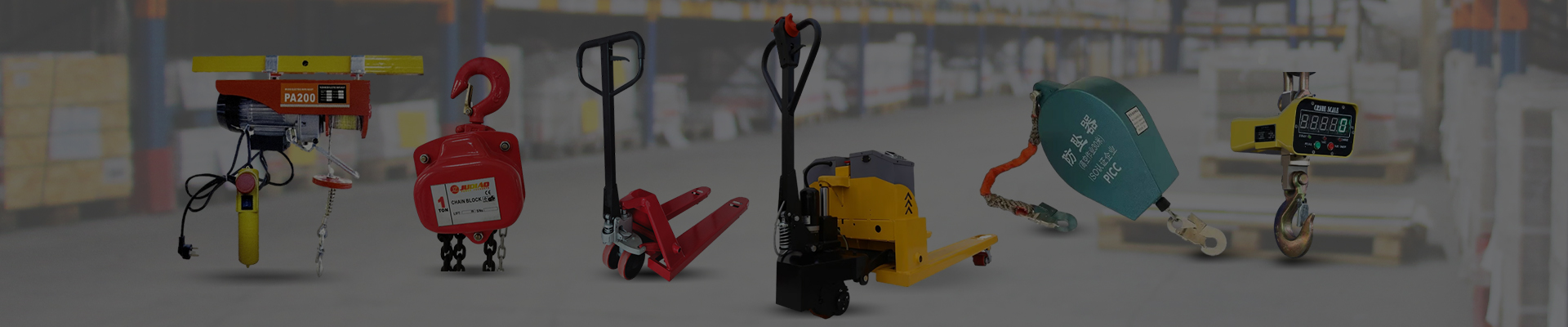


Every industrial operation — whether lifting hefty machinery in a factory or hoisting supplies in a remote construction site — depends on sturdy lifting equipment. Among these tools, chain blocks stand out for their reliability and simplicity. But when you hear chain block price, what exactly does that mean? Understanding the cost parameters of chain blocks isn’t just about budgeting. It directly impacts safety standards, project feasibility, and operational efficiency worldwide.
Globally, billions of tons of materials are moved daily, often in challenging environments. ISO and ILO standards stress safe lifting mechanisms, with chain blocks frequently topping the list for dependable solutions. Knowing the price spectrum ensures companies—big and small—can invest wisely without compromising quality. Plus, in humanitarian sectors, the availability and cost of these devices can decide how quickly aid gets delivered after disasters. So, it’s much more than a number on a price tag; it’s a bridge between efficiency, safety, and social impact.
Mini takeaway: Chain block price isn’t just a line item. It reflects a crucial balance between cost, safety, and global operational demands.
The modern world runs on logistics. Heavy machinery, construction materials, and even emergency relief goods require precise handling. According to the ISO 16841-1 standards on lifting devices, quality chain blocks must adhere to stringent safety and durability regulations — which naturally influences their price.
In regions like Southeast Asia and Africa, the rising infrastructure boom has increased demand for affordable yet robust lifting tools. Yet, challenges like fluctuating steel prices and import tariffs create volatility in the chain block price. Industry players face a difficult puzzle: how to offer affordable equipment without cutting corners on safety.
From a humanitarian angle, agencies such as the United Nations Office for the Coordination of Humanitarian Affairs (OCHA) highlight supply chain resilience. Chain blocks often become critical during disaster relief—helping to clear debris and deliver aid. Price affordability can dictate how quickly operations respond, impacting lives.
Mini takeaway: The price of chain blocks globally reflects a web of economic, safety, and logistical factors shaping their role across sectors and continents.
If you’re new to heavy lifting, “chain block price” might sound simple — just the cost of the chain block, right? But it’s tied to several dimensions:
Simply put, the chain block price is the cumulative cost reflecting safety, durability, and functionality. In emergency setups or massive industrial plants, it’s not just what you pay upfront but the long-term reliability behind that price.
Mini takeaway: Chain block price is a multi-layered figure that embodies quality, safety, and economic realities.
Many engineers swear by heat-treated alloy steel in chain blocks, which resists wear and corrosion better than cheaper metals. Naturally, tougher materials hike prices but save on replacements. It’s a classic trade-off.
A 1-ton capacity block is significantly less expensive than a 10-ton counterpart. Advanced braking mechanisms and overload protection also add to manufacturing costs—worth it, though, when lives are at stake.
European and Japanese-made chain blocks often come with pricier tags due to strict standards and quality control. Meanwhile, some Asian manufacturers provide more competitively priced options, sometimes at the risk of varying quality.
Special hooks, longer chains, or weather-resistant coatings increase unit cost but tailor equipment perfectly for specific needs—say, marine environments or cold storage warehouses.
Steel and shipping costs can fluctuate widely, impacting the final retail price. Surges in construction or disaster relief often spike demand, influencing prices temporarily.
Mini takeaway: Chain block price is shaped by a spectrum of factors balancing safety, capacity, origin, and demand.
Chain blocks aren’t just dusty tools in a factory corner. In fact, their usage spans across:
One minor but telling story: a medium-sized construction firm in Vietnam shifted suppliers after carefully comparing chain block price and quality. Their choice led to fewer downtime incidents and improved site safety within six months—a tidy ROI that’s anecdotal yet persuasive.
Mini takeaway: Chain blocks play quietly profound roles in heavy industries, relief missions, and specialized environments worldwide.
Honestly, many operators discover that slightly higher chain block prices translate into peace of mind. It’s one of those things you only fully appreciate after avoiding headaches or worse, injuries.
Mini takeaway: A thoughtful approach to chain block pricing pays dividends in safety, sustainability, and reputation.
With the tech wave rolling into industrial tools, chain blocks are also evolving:
These innovations hint that the chain block price you see now could look very different in five years—not necessarily more expensive but certainly more nuanced.
Mini takeaway: Technological leaps are set to redefine prices and capabilities in chain blocks, blending digital and durable like never before.
Challenges abound, like:
Experts suggest:
The takeaway? Don’t just chase the lowest number on the quote. Look deeper, because lives and livelihoods might hang in the balance.
| Model | Load Capacity (tons) | Chain Length (meters) | Material | Weight (kg) | Certifications |
|---|---|---|---|---|---|
| CB-1T | 1 | 3 | Alloy Steel | 5.2 | ISO 16841, CE |
| CB-5T | 5 | 5 | Heat-Treated Steel | 12.8 | ISO 16841, CE, TUV |
| CB-10T | 10 | 10 | Heat-Treated Steel | 22.5 | ISO 16841, CE, TUV, GS |
| Vendor | Average Chain Block Price (USD) | Certification | Warranty | Geographic Reach | After-Sales Service |
|---|---|---|---|---|---|
| LiftPro Industries | $120 - $450 | ISO 16841, CE | 3 years | Global | 24/7 Support & Repairs |
| StrongChain Corp | $95 - $380 | CE, TUV | 2 years | Asia, Europe | On-site Inspections Available |
| EcoLift Solutions | $140 - $500 | ISO 16841, CE, GS | 5 years | Europe, North America | Sustainability Consulting & Training |
Understanding chain block price is so much more than glancing at a cost chart. It’s a window into a complex intersection of quality, safety, and global supply mechanisms. From the vast mines of Australia to the humble relief camps after a cyclone, these devices silently pull the weight — sometimes literally — of critical human endeavor.
What struck me most is that the right pricing isn’t about finding the cheapest. It’s about recognizing a value built on trustworthy materials, rigorous testing, and vendor support. For those looking to buy or supply, this article hopefully sheds light on how to balance price with promise.
To explore more details or get your tailored quote on reliable chain blocks, visit https://www.qyjuli.com. It might just save you headaches down the line.


 Afrikaans
 Albanian
 Amharic
 Arabic
 Armenian
 Azerbaijani
 Basque
 Belarusian
 Bengali
 Bosnian
 Bulgarian
 Catalan
 Cebuano
 China
China
 China (Taiwan)
 Corsican
 Croatian
 Czech
Czech
 Danish
 Dutch
Dutch
 Esperanto
 Estonian
 Finnish
 French
 Frisian
 Galician
 Georgian
 German
 Greek
Greek
 Gujarati
 Haitian Creole
 Hausa
Hausa
 Hawaiian
 Hebrew
 Hindi
Hindi
 Miao
Miao
 Hungarian
 Icelandic
 Igbo
Igbo
 Indonesian
 Irish
Irish
 Italian
 Japanese
 Javanese
 Kannada
 Kazakh
 Khmer
Khmer
 Rwandese
 Korean
 Kurdish
 Kyrgyz
 Lao
Lao
 Latin
Latin
 Latvian
 Lithuanian
 Luxembourgish
 Macedonian
 Malgashi
 Malay
Malay
 Malayalam
 Maltese
 Maori
Maori
 Marathi
 Mongolian
 Myanmar
 Nepali
 Norwegian
 Norwegian
 Occitan
 Pashto
 Persian
 Polish
 Portuguese
 Punjabi
 Romanian
 Russian
 Samoan
 Scottish Gaelic
 Serbian
 Sesotho
 Shona
Shona
 Sindhi
 Sinhala
 Slovak
 Slovenian
 Somali
 Spanish
 Sundanese
 Swahili
 Swedish
 Tagalog
 Tajik
Tajik
 Tamil
Tamil
 Tatar
Tatar
 Telugu
 Thai
Thai
 Turkish
 Turkmen
 Ukrainian
 Urdu
Urdu
 Uighur
 Uzbek
Uzbek
 Vietnamese
 Welsh
Welsh
 Bantu
Bantu
 Yiddish
 Yoruba
 Zulu
Zulu
 English