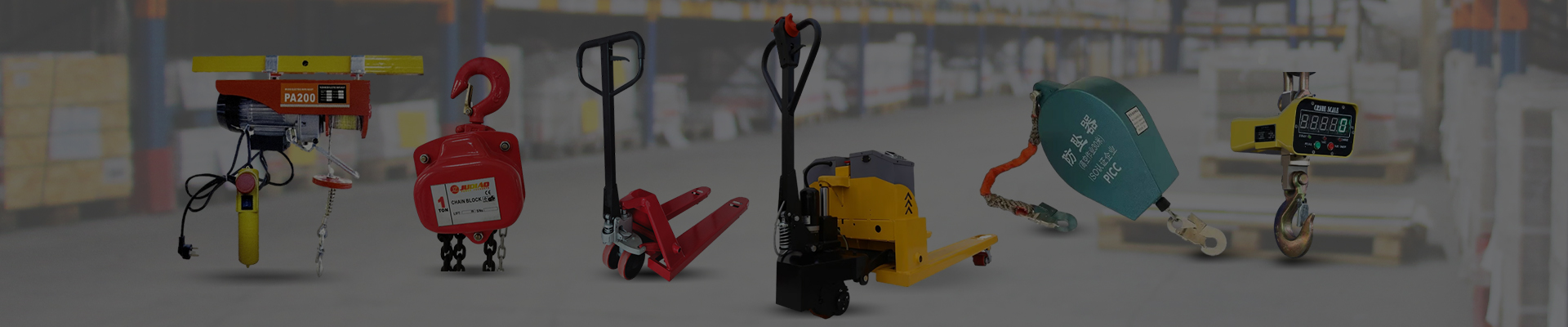


If you work in any industrial or construction sector, you’ve probably come across chain hoist China products—or at least heard about them. They’re these deceptively simple mechanical tools that lift heavy loads vertically with a series of chains and gears, and they’re responsible for moving tons of materials worldwide every day. Sounds straightforward, but their global impact is huge: from building skyscrapers in urban centers to deploying emergency shelters after natural disasters, chain hoist China has quietly been a backbone of industry and humanitarian work alike.
Why does it matter? Well, global construction output is expected to hit $15 trillion by 2030 according to the World Bank, and equipment like these hoists are essential to keeping things efficient and safe. Not to mention, smart purchasing of these tools from China — currently one of the largest manufacturing hubs — can dramatically improve cost savings and supply chain reliability for businesses universally.
Looking at the bigger picture, the role of chain hoist China extends beyond just lifting equipment — it’s about providing affordable, durable, and accessible mechanical leverage solutions worldwide. According to the International Organization for Standardization (ISO), safety certifications have grown tougher, especially for lifting gear, yet Chinese manufacturers have adapted quickly to meet these standards. Roughly 40% of the global chain hoist market is linked to Chinese suppliers — a nod to their competitive edge in manufacturing scale and innovation.
But here’s the catch: buying inexpensive doesn’t always mean smart. Many engineers and buyers wrestle with issues about durability, maintenance costs, and local availability of spare parts. The challenge is finding the right balance between affordability and performance — and that’s where knowledge about chain hoist China can really become a game changer.
Simply put, a chain hoist is a mechanical device used to lift and lower heavy loads by turning a hand chain or powered motor that moves sprockets connected to a load chain. When we talk about chain hoist China, we're usually referencing either the origin of manufacture or the sourcing of these products from Chinese vendors who provide a wide range of capacities and configurations.
These tools are more than the sum of their parts—they’re vital in warehouses, factories, shipyards, and even in disaster relief where quick, reliable lifting means the difference between timely aid and logistical chaos.
This blend of simplicity and practicality makes chain hoists, particularly those coming from China, essential tools globally — but knowing their specifics can save you headaches down the road.
When you’re stacking tons of steel or moving heavy machinery, a flimsy chain can’t cut it. Chinese manufacturers now use alloy steel chains and hardened gears that meet or exceed ISO standards, enhancing lifespan and reducing failures.
Whether you need to lift a couple of hundred kilograms or several tons, these hoists come with rated capacities. The versatility is remarkable — many units are modular, so you can scale capacity by swapping out chains or motors.
Let’s face it, Chinese hoists tend to be less expensive due to manufacturing scale but maintaining competitive quality. This affordability opens possibilities for small and mid-sized companies that can’t afford pricier European or American-made gear.
Modern designs feature anti-drop devices, overload protection, and ergonomic chains to protect workers. This reflects a growing understanding in the industry of the importance of safety—not just liability but human life.
Some of the best vendors in China offer customizable solutions, tailoring chain length, motor power, and mounting options. Plus, many provide after-sale service worldwide, an important consideration for ongoing maintenance.
| Specification | Standard Model | Heavy Duty Model |
|---|---|---|
| Load Capacity | 1 ton | 5 tons |
| Chain Material | Alloy Steel | Heat Treated Alloy Steel |
| Brake Type | Manual brake | Dual safety brake |
| Chain Length | 3m | 6m (customizable) |
| Certifications | ISO 9001, CE | ISO 9001, CE, TUV |
Oddly enough, these hoists are everywhere—from the congested shipyards of Singapore to mining operations in Chile, and even the fast-deploy aid camps in Southeast Asia. For example:
This widespread range of applications shows how essential chain hoist China really is to global infrastructure development—whether in booming cities or hardship-stricken regions.
Beyond just affordability, the advantages stack up pretty nicely:
Plus, there’s something reassuring about tools proven in millions of lifts daily worldwide — it builds trust in both buyer and end users.
The future looks bright, or at least intriguing. Here’s what’s starting to happen in the space:
Like all products, chain hoists from China aren’t perfect. Some challenges still linger:
Expert advice? Build relationships with trusted suppliers who provide local distribution or service centers. Some companies even partner with overseas distributors to bridge gaps.
| Vendor | Price Range | Certification | After-Sales Support | Customization |
|---|---|---|---|---|
| QYJULI Hoists | $$ | ISO, CE, TÜV | Global service network | High |
| Eastlift | $ | CE, ISO | Limited (regional only) | Medium |
| Asia Power Hoists | $$$ | ISO, CE, UL | Good (online & phone) | Medium |
Start by determining your load requirements, environment (indoor/outdoor), and frequency of use. Look for ISO or CE-certified products to ensure safety, and check if the vendor offers after-sales support and spares. Don't hesitate to ask for product datasheets and user reviews.
Many Chinese brands meet international standards and perform excellently in real-world settings. Reliability depends on the vendor and model, so buying from reputable suppliers like QYJULI ensures quality comparable to Western products but often at a fraction of the price.
With proper maintenance, quality chain hoists from China can last 10-15 years or more. Factors affecting lifespan include usage intensity, environment conditions, and adherence to service schedules.
Yes, many Chinese manufacturers offer customization from chain length to motor power and mounting styles. This flexibility can be crucial for unique industrial or construction projects.
Working with suppliers who have international distribution centers or regional partners helps manage shipping, customs, and warranties. Ensure warranty terms are clearly spelled out before purchase.
When you consider the long-term gains—cost savings, reliability, and access to innovation—chain hoists from China represent smart investments for all sorts of lifting challenges. They’re embedded in the fabric of global development and aid efforts, quietly powering progress everywhere. If you’re in the market, keep your eyes open for certifications, after-sales service, and tailor-made solutions. For more detailed info and product options, don’t hesitate to visit our site — where quality meets affordability.
In the end, it’s not just about lifting loads, but lifting possibilities.


 Afrikaans
 Albanian
 Amharic
 Arabic
 Armenian
 Azerbaijani
 Basque
 Belarusian
 Bengali
 Bosnian
 Bulgarian
 Catalan
 Cebuano
 China
China
 China (Taiwan)
 Corsican
 Croatian
 Czech
Czech
 Danish
 Dutch
Dutch
 Esperanto
 Estonian
 Finnish
 French
 Frisian
 Galician
 Georgian
 German
 Greek
Greek
 Gujarati
 Haitian Creole
 Hausa
Hausa
 Hawaiian
 Hebrew
 Hindi
Hindi
 Miao
Miao
 Hungarian
 Icelandic
 Igbo
Igbo
 Indonesian
 Irish
Irish
 Italian
 Japanese
 Javanese
 Kannada
 Kazakh
 Khmer
Khmer
 Rwandese
 Korean
 Kurdish
 Kyrgyz
 Lao
Lao
 Latin
Latin
 Latvian
 Lithuanian
 Luxembourgish
 Macedonian
 Malgashi
 Malay
Malay
 Malayalam
 Maltese
 Maori
Maori
 Marathi
 Mongolian
 Myanmar
 Nepali
 Norwegian
 Norwegian
 Occitan
 Pashto
 Persian
 Polish
 Portuguese
 Punjabi
 Romanian
 Russian
 Samoan
 Scottish Gaelic
 Serbian
 Sesotho
 Shona
Shona
 Sindhi
 Sinhala
 Slovak
 Slovenian
 Somali
 Spanish
 Sundanese
 Swahili
 Swedish
 Tagalog
 Tajik
Tajik
 Tamil
Tamil
 Tatar
Tatar
 Telugu
 Thai
Thai
 Turkish
 Turkmen
 Ukrainian
 Urdu
Urdu
 Uighur
 Uzbek
Uzbek
 Vietnamese
 Welsh
Welsh
 Bantu
Bantu
 Yiddish
 Yoruba
 Zulu
Zulu
 English