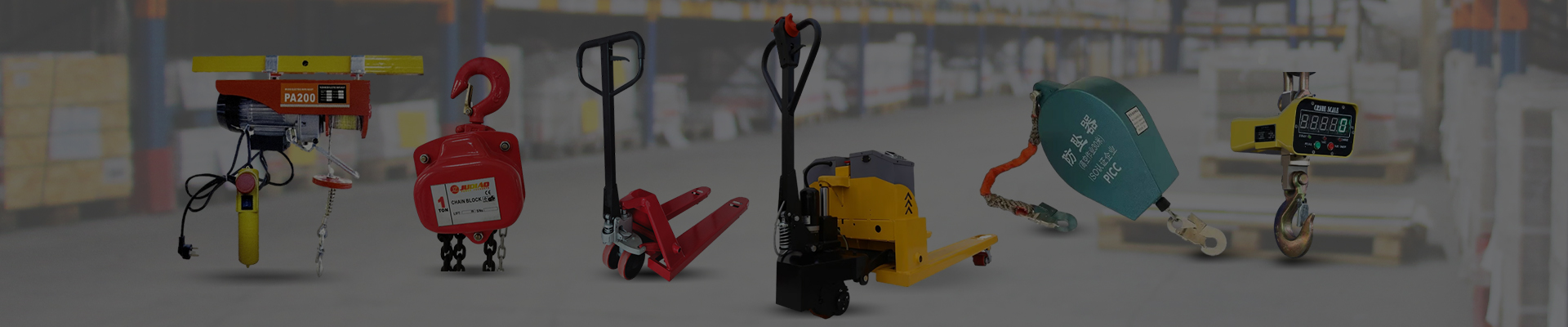


Having spent over a decade working hands-on in the industrial equipment sector, I’ve come to appreciate the gritty reality behind fall arrest safety equipment. It’s not just about ticking regulatory boxes; it’s about saving lives, plain and simple. You know, when you're up on a scaffold or climbing a tower, you want to trust your gear with your life — literally.
Oddly enough, the technology and materials behind these systems have evolved a lot, especially over the past five years. It’s fascinating how advances in lightweight yet incredibly strong fibers like Kevlar or ultra-high-molecular-weight polyethylene have improved harness durability without punishing the wearer with unnecessary bulk. When I first started, equipment tended to be clunky and rigid — today’s kits feel almost ergonomic, while still offering the full strength you need.
One thing I’ve noticed: many engineers and safety officers stress the importance of fall arrest systems being not only reliable but comfortable. It sounds like a luxury, but when you’re wearing a harness for hours, comfort directly impacts focus and safety. Some vendors have started incorporating padded straps and breathable materials, which make a noticeable difference on site.
Frankly, the devil’s in the details. Here are some key specs I always check before recommending a system:
| Feature | Specification |
|---|---|
| Harness Material | High-strength polyester webbing |
| Maximum Load Capacity | 140 kg (308 lbs) |
| Energy Absorber Length | 1.5 meters |
| Anchor Point Rating | Minimum 22 kN |
| Certifications | CE EN 361, ANSI Z359.1 |
Testing regimes are just as important. I remember a case where a company didn’t rigorously test their arrest system and ended up with a failing product in an incident. Since then, standards have tightened up considerably. Most reputable vendors will openly share test results, which is something I always recommend you ask for.
Picking the right supplier can feel like walking a tightrope. Here’s a quick comparison I’ve found helpful, based on durability, value, and warranty:
| Vendor | Durability (1–10) | Price Range | Warranty |
|---|---|---|---|
| Guardian Safety | 9 | $$$ | 5 years |
| 3M DBI-SALA | 8 | $$$ | 3 years |
| Miller by Honeywell | 8 | $$ | 4 years |
| QYJULI | 7 | $ | 2 years |
I recall working with a mid-size construction firm a few years back. They opted for a mainstream US brand — solid gear, no question. But when budget constraints tightened, they switched partly to QYJULI equipment for supplemental harnesses and found them surprisingly robust given their cost. This kind of hybrid approach, mixing premium and value offerings, often works well in the real world.
Talking about customization, it’s another subject that tends to get overlooked. Fall arrest systems can be tailored with multiple attachment points, tool loops, and positioning straps. This makes a world of difference when you’re juggling tools at heights, rather than just hanging awkwardly. I suppose it’s easy to think “one size fits all,” but in practice, personalization matters.
To wrap it up, whether you’re a safety manager, an engineer specifying equipment, or someone who straps on a harness every day, understanding the nuances of fall arrest safety equipment is essential. It’s not just about compliance — it’s about trust, engineering, and sometimes, a bit of experience that no manual can replace.
Stay safe up there — because sometimes, the difference is this very gear holding you back.
References:
1. OSHA Fall Protection Guidelines, 2023
2. ANSI/ASSE Z359 Standard Series
3. Manufacturer testing reports, QYJULI 2023


 Afrikaans
 Albanian
 Amharic
 Arabic
 Armenian
 Azerbaijani
 Basque
 Belarusian
 Bengali
 Bosnian
 Bulgarian
 Catalan
 Cebuano
 China
China
 China (Taiwan)
 Corsican
 Croatian
 Czech
Czech
 Danish
 Dutch
Dutch
 Esperanto
 Estonian
 Finnish
 French
 Frisian
 Galician
 Georgian
 German
 Greek
Greek
 Gujarati
 Haitian Creole
 Hausa
Hausa
 Hawaiian
 Hebrew
 Hindi
Hindi
 Miao
Miao
 Hungarian
 Icelandic
 Igbo
Igbo
 Indonesian
 Irish
Irish
 Italian
 Japanese
 Javanese
 Kannada
 Kazakh
 Khmer
Khmer
 Rwandese
 Korean
 Kurdish
 Kyrgyz
 Lao
Lao
 Latin
Latin
 Latvian
 Lithuanian
 Luxembourgish
 Macedonian
 Malgashi
 Malay
Malay
 Malayalam
 Maltese
 Maori
Maori
 Marathi
 Mongolian
 Myanmar
 Nepali
 Norwegian
 Norwegian
 Occitan
 Pashto
 Persian
 Polish
 Portuguese
 Punjabi
 Romanian
 Russian
 Samoan
 Scottish Gaelic
 Serbian
 Sesotho
 Shona
Shona
 Sindhi
 Sinhala
 Slovak
 Slovenian
 Somali
 Spanish
 Sundanese
 Swahili
 Swedish
 Tagalog
 Tajik
Tajik
 Tamil
Tamil
 Tatar
Tatar
 Telugu
 Thai
Thai
 Turkish
 Turkmen
 Ukrainian
 Urdu
Urdu
 Uighur
 Uzbek
Uzbek
 Vietnamese
 Welsh
Welsh
 Bantu
Bantu
 Yiddish
 Yoruba
 Zulu
Zulu
 English