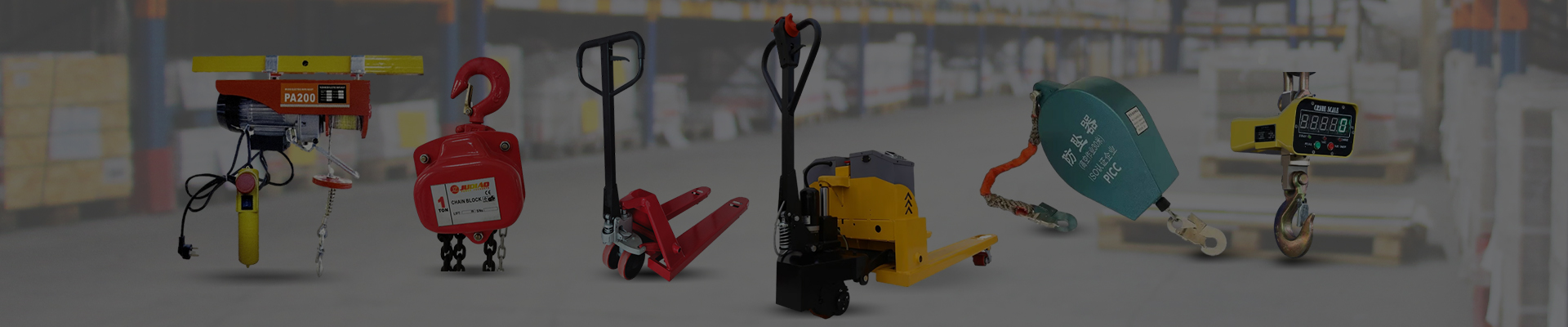


Having clocked over a decade working with industrial lifting and rigging equipment, I’ve seen plenty of tools come and go. But oddly enough, the chain pulley block 3 ton has this timeless staying power. Maybe it’s because it strikes the right balance between simplicity, reliability, and heavy-duty capability — qualities you simply can’t compromise when you're moving three tons of steel or machinery around.
In real terms, a chain pulley block is just a manual device using a chain loop and gears to multiply force, letting you lift or pull heavy loads without electrics or hydraulics. But don’t be fooled by the simple concept. Precision engineering matters a lot here — components must withstand big stresses, ongoing wear, and sometimes harsh environments. From personal experience, a decent block can operate smoothly for years, while cheaper ones tend to creep, jam, or wear prematurely.
Materials are a big deal. Most high-quality 3 ton blocks I’ve worked with use alloy steel for load-bearing parts combined with heat-treated chains. The test standards are strict — usually certified to ISO or EN standards, sometimes with load tests above the rated capacity for safety margins. That’s important because—frankly—you don’t want to find out a chain block failed during a lift. As one colleague grimly said, "It’s the quietest machine in the plant until it suddenly isn’t."
| Feature | Detail |
|---|---|
| Rated Load Capacity | 3 tons / 3000 kg |
| Load Chain Material | Grade 80 Alloy Steel |
| Hand Chain Material | Zinc-Plated Steel |
| Load Chain Diameter | 8 mm |
| Standard Lift Height | 3 meters (customizable) |
| Gear Ratio | 1:4.5 (approx.) |
| Weight | Approx. 17-20 kg |
| Safety Features | Overload limiter, forged hooks with safety latches |
One memorable project I recall was when we needed a manual lifting solution for a remote site with no power. The 3 ton chain pulley block fitted the bill perfectly — simple, rugged, and efficient. The operators, used to powered hoists, were skeptical at first but quickly appreciated how much control and tactile feedback the block offered. Interestingly, it also required less maintenance than the powered units, possibly because it has fewer moving parts and no electric components.
| Vendor | Material Quality | Price Range | Certifications | Customization |
|---|---|---|---|---|
| QYJuli | High-grade alloy steel, ISO certified | $$$ | ISO 9001, CE | Chain length, hooks, color |
| BrandX Lifting | Medium-grade steel | $$ | CE | Standard options only |
| HeavyLift Inc. | Premium alloy, tested above rated load | $$$$ | ISO 9001, CE, TÜV | Fully custom engineering services |
One thing I noticed over the years: the more straightforward the tool, the more the user trusts it. The chain pulley block 3 ton feeds into that trust by being plainly strong, easy to inspect, and easy to repair. You don’t have mysterious electronics or software updates to worry about when you're halfway up a scaffold or out in a dusty yard.
Of course, it’s not all sunshine. Chain blocks can be slower than powered solutions and obviously rely solely on manual power, which can fatigue operators on long jobs. But when safety and reliability are paramount, many engineers prefer the kind of control and feedback you only get manually. It feels like part of an old-school, hands-on approach that doesn’t skimp on modern materials and quality control.
If you’re considering adding a three-ton chain pulley block to your toolkit, look closely at build quality, supplier certifications, and your real lift height needs. Custom lengths or stronger chains can make a difference — and, frankly, the feeling of a solid, smooth chain running through those gears is something you can’t quite describe until you’ve used one for a while.
Anyway, the industry might be moving faster than ever, but this old-timer of a tool still holds its ground.
Takeaway: When it’s about moving heavy loads safely and reliably, the humble chain pulley block 3 ton remains a trusted workhorse for those who value durability and control.


 Afrikaans
 Albanian
 Amharic
 Arabic
 Armenian
 Azerbaijani
 Basque
 Belarusian
 Bengali
 Bosnian
 Bulgarian
 Catalan
 Cebuano
 China
China
 China (Taiwan)
 Corsican
 Croatian
 Czech
Czech
 Danish
 Dutch
Dutch
 Esperanto
 Estonian
 Finnish
 French
 Frisian
 Galician
 Georgian
 German
 Greek
Greek
 Gujarati
 Haitian Creole
 Hausa
Hausa
 Hawaiian
 Hebrew
 Hindi
Hindi
 Miao
Miao
 Hungarian
 Icelandic
 Igbo
Igbo
 Indonesian
 Irish
Irish
 Italian
 Japanese
 Javanese
 Kannada
 Kazakh
 Khmer
Khmer
 Rwandese
 Korean
 Kurdish
 Kyrgyz
 Lao
Lao
 Latin
Latin
 Latvian
 Lithuanian
 Luxembourgish
 Macedonian
 Malgashi
 Malay
Malay
 Malayalam
 Maltese
 Maori
Maori
 Marathi
 Mongolian
 Myanmar
 Nepali
 Norwegian
 Norwegian
 Occitan
 Pashto
 Persian
 Polish
 Portuguese
 Punjabi
 Romanian
 Russian
 Samoan
 Scottish Gaelic
 Serbian
 Sesotho
 Shona
Shona
 Sindhi
 Sinhala
 Slovak
 Slovenian
 Somali
 Spanish
 Sundanese
 Swahili
 Swedish
 Tagalog
 Tajik
Tajik
 Tamil
Tamil
 Tatar
Tatar
 Telugu
 Thai
Thai
 Turkish
 Turkmen
 Ukrainian
 Urdu
Urdu
 Uighur
 Uzbek
Uzbek
 Vietnamese
 Welsh
Welsh
 Bantu
Bantu
 Yiddish
 Yoruba
 Zulu
Zulu
 English