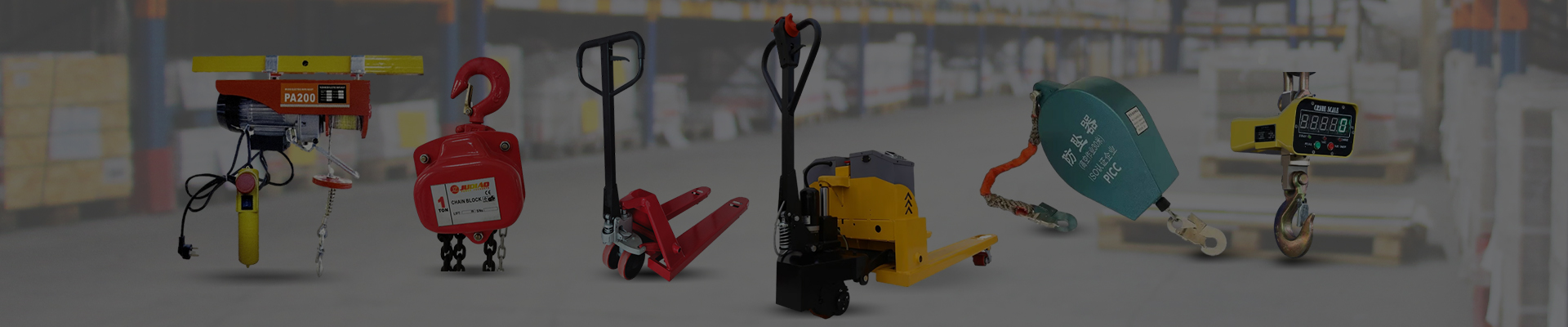


In industries ranging from manufacturing to construction, lifting and hoisting tools play a critical role in everyday operations. Among these tools, the bst chain block holds a special place due to its robustness, reliability, and simplicity. But beyond just being a handy tool, its implications ripple across global supply chains, humanitarian efforts, and industrial efficiency.
Globally, with the industrial sector pushing for safer, more efficient heavy-load handling, understanding bst chain block essentials unlocks better project outcomes and risk management. Plus, if you’re involved in logistics, construction, or emergency response, knowing what makes bst chain blocks tick—and how they compare—is invaluable.
According to the International Labour Organization and global safety standards (like ISO 12100 for machinery safety), lifting equipment failures contribute to a significant number of workplace accidents worldwide each year. That’s why reliable tools, like the bst chain block, which meet rigorous quality and safety standards, are in high demand.
Meanwhile, developing regions with growing infrastructure needs often lack access to affordable, durable hoisting tools, stalling progress. It’s here that bst chain blocks step in, offering cost-effective solutions for heavy lifting tasks without the complexity or cost of high-end cranes. This alignment with global efficiency and safety goals — supported by data from organizations like the World Bank on infrastructure development — highlights their continued relevance.
Nevertheless, challenges persist, including sourcing certified equipment and balancing cost with durability in harsh environments.
Simply put, a bst chain block is a manual hoisting device that uses a chain loop and a gear system to lift or lower heavy loads. It’s sometimes called a chain hoist or chain fall, but the "bst" prefix usually points to a specific manufacturer or model range known for industrial-grade performance.
Its design is straightforward: pull on the hand chain, and the load chain lifts the weight via a gear mechanism. No electricity needed, no complex hydraulics, and very few moving parts mean fewer breakdowns — a very practical tool for remote or rugged sites.
In humanitarian logistics (say, disaster relief operations), bst chain blocks appear in supply depots and makeshift construction setups thanks to their portability and durability — often a lifeline in challenging environments.
Many engineers I spoke with swear by bst chain blocks’ all-metal construction, usually forged steel chains and a robust casing that can withstand tough sites. They handle adverse weather and rough treatment better than many electric hoists.
The capacity ranges usually from 0.5 tons to over 20 tons, with built-in load brakes that prevent the load from slipping if you stop pulling mid-lift.
Compact and lightweight relative to their lifting power, these block hoists are favored where crane access is limited. They’re practically plug-and-play—just hook it, pull the hand chain, and you’re lifting.
Operational costs are minimal—no energy bills, virtually zero maintenance if treated reasonably. For small to mid-scale operations, this makes bst chain blocks a bang-for-buck solution.
Some manufacturers offer different chain lengths, hooks, or even weatherproof coatings, catering specifically to diverse industrial or humanitarian applications.
From shipyards in Southeast Asia to mining operations in Africa, bst chain blocks have universal appeal. Here are a few snapshots:
Oddly enough, it’s these very diverse environments that highlight the adaptability of bst chain blocks.
| Specification | Typical Range | Remarks |
|---|---|---|
| Load Capacity | 0.5 - 20 Tons | Varies with model |
| Lift Height | 1.5 - 10 meters | Chain length adjustable |
| Material | Forged Alloy Steel Chain | High tensile strength |
| Safety Brake Type | Automatic Load Brake | Prevents load slip |
| Weight (Device) | 10 - 40 kg | Depends on capacity |
| Vendor | Load Range (tons) | Price Range (USD) | Key Feature | Warranty |
|---|---|---|---|---|
| QYJuli | 0.5 – 20 | 200 – 1,500 | Heavy duty steel forged chain | 3 years |
| LiftPro | 1 – 15 | 180 – 1,300 | Compact design, light weight | 2 years |
| HoistWorks | 0.75 – 25 | 250 – 1,800 | Enhanced safety brake system | 3 years |
It’s not just about raw lifting power. The advantages are surprisingly holistic:
While bst chain blocks have remained mechanically simple for decades, some newer trends could change the landscape:
Not everything is rosy. Common problems users face include:
Solutions? Regular maintenance programs, sourcing from certified vendors (like bst chain block specialists), and hands-on training sessions help keep operations safe and smooth.
A1: bst chain blocks are manually operated and don't require electrical power. This makes them ideal for locations without reliable electricity or when portability is key. They offer simplicity and lower costs but don’t provide the speed or automation of electric hoists.
A2: Regular inspection of the chain for wear, lubrication of moving parts, and checking the brake mechanism ensure safety. It’s recommended to perform a thorough check every 6-12 months depending on usage intensity.
A3: Yes. Vendors often provide options for different chain lengths, hook types, and coatings to suit environments like marine platforms, construction sites, or cold storage warehouses.
A4: Absolutely. Their portability, manual function, and rugged design make them ideal for NGOs operating in disaster zones or infrastructure projects lacking heavy equipment.
It might seem old-fashioned compared to robotic cranes or automated lifts, but the bst chain block proves that sometimes, straightforward technology still reigns supreme. Its blend of safety, durability, and cost-efficiency delivers peace of mind in tricky lifting scenarios around the globe.
If you want reliable, tested equipment that won’t quit, or are exploring more on bst chain block solutions, take a moment to explore options at https://www.qyjuli.com. After all, lifting a ton—or twenty—may be just a few good pulls away.
Mini Takeaway: Manual chain blocks continue to be a backbone tool in global industries because they balance ruggedness, safety, and cost in ways few alternatives can match.


 Afrikaans
 Albanian
 Amharic
 Arabic
 Armenian
 Azerbaijani
 Basque
 Belarusian
 Bengali
 Bosnian
 Bulgarian
 Catalan
 Cebuano
 China
China
 China (Taiwan)
 Corsican
 Croatian
 Czech
Czech
 Danish
 Dutch
Dutch
 Esperanto
 Estonian
 Finnish
 French
 Frisian
 Galician
 Georgian
 German
 Greek
Greek
 Gujarati
 Haitian Creole
 Hausa
Hausa
 Hawaiian
 Hebrew
 Hindi
Hindi
 Miao
Miao
 Hungarian
 Icelandic
 Igbo
Igbo
 Indonesian
 Irish
Irish
 Italian
 Japanese
 Javanese
 Kannada
 Kazakh
 Khmer
Khmer
 Rwandese
 Korean
 Kurdish
 Kyrgyz
 Lao
Lao
 Latin
Latin
 Latvian
 Lithuanian
 Luxembourgish
 Macedonian
 Malgashi
 Malay
Malay
 Malayalam
 Maltese
 Maori
Maori
 Marathi
 Mongolian
 Myanmar
 Nepali
 Norwegian
 Norwegian
 Occitan
 Pashto
 Persian
 Polish
 Portuguese
 Punjabi
 Romanian
 Russian
 Samoan
 Scottish Gaelic
 Serbian
 Sesotho
 Shona
Shona
 Sindhi
 Sinhala
 Slovak
 Slovenian
 Somali
 Spanish
 Sundanese
 Swahili
 Swedish
 Tagalog
 Tajik
Tajik
 Tamil
Tamil
 Tatar
Tatar
 Telugu
 Thai
Thai
 Turkish
 Turkmen
 Ukrainian
 Urdu
Urdu
 Uighur
 Uzbek
Uzbek
 Vietnamese
 Welsh
Welsh
 Bantu
Bantu
 Yiddish
 Yoruba
 Zulu
Zulu
 English