

When it comes to lifting and moving heavy loads, a reliable and robust solution is essential. A 1000 lb chain hoist is a versatile and efficient tool used across various industries for safe and controlled lifting. This article will delve into the features, benefits, applications, and important considerations when selecting a chain hoist. We’ll explore why choosing the right hoist is crucial for productivity, safety, and longevity of operations. Proper selection and maintenance of a chain hoist are vital for preventing accidents and ensuring efficient material handling.
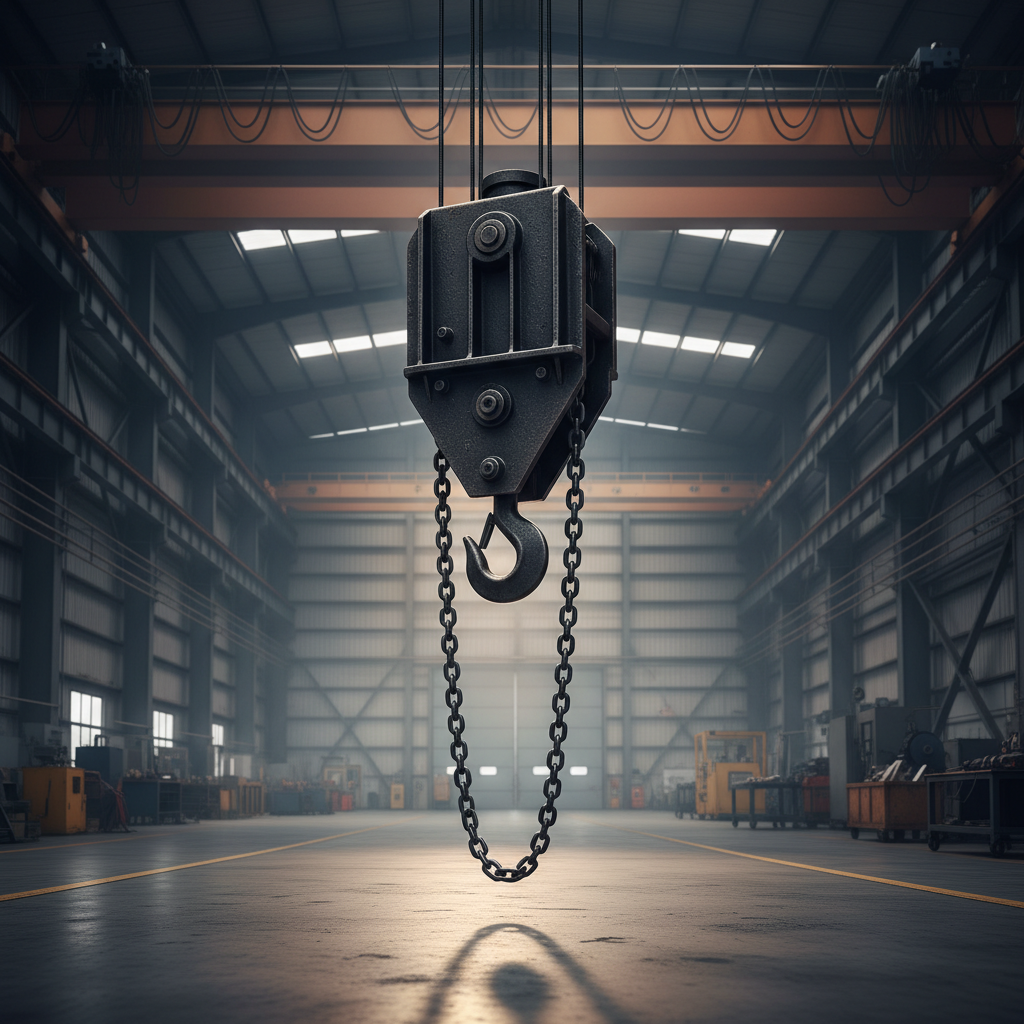
A 1000 lb chain hoist is designed to lift loads weighing up to 1000 pounds (approximately 453 kilograms). They are known for their durability, reliability, and relatively low maintenance requirements. Chain hoists operate using a lifting chain that wraps around a load and is pulled to raise or lower it. These hoists typically feature a hand chain or an electric motor for operation. They are preferred in environments where precise lifting control is necessary. Compared to other lifting devices, chain hoists offer a higher lifting capacity for their size and are less susceptible to wire rope stretching or fraying. Choosing a high-quality chain hoist is an investment in safety and efficiency.
Key Highlights: Durable construction, reliable lifting capacity, low maintenance, precise control, suitable for various applications.
1000 lb chain hoists primarily come in two varieties: manual and electric. Manual chain hoists are powered by hand, requiring physical effort to lift loads. Electric chain hoists, on the other hand, utilize an electric motor for automated lifting, reducing physical strain and increasing efficiency. The choice between the two depends on the frequency of use, the weight of the load, and the operator's physical capabilities. Electric hoists are typically preferred for repetitive lifting tasks or when dealing with heavier loads, while manual hoists are suitable for occasional use and areas without readily available power sources. Consider the environment and power availability when choosing a hoist.
Manual vs. Electric Chain Hoists:
• Manual Hoists: Lower initial cost, portable, no power source needed.
• Electric Hoists: Faster lifting speeds, reduced physical effort, ideal for repetitive tasks.
The versatility of a 1000 lb chain hoist makes it invaluable across a wide array of industries. In manufacturing, they are used for lifting and positioning materials, tools, and finished products. Construction sites utilize chain hoists for lifting heavy equipment and materials to different levels. Warehouses and storage facilities rely on them for loading and unloading trucks, as well as organizing inventory. Automotive repair shops use them for engine removal and installation. Even in entertainment, chain hoists are employed for rigging and lifting stage equipment. The applications are diverse and essential for improving efficiency and safety.
When selecting a 1000 lb chain hoist, several factors should be considered. First, accurately assess the maximum weight you will need to lift. It’s always recommended to choose a hoist with a slightly higher capacity than your typical load to provide a safety margin. Second, consider the lifting height required for your application. The chain length should be sufficient to reach the desired height. Third, evaluate the operating environment. For harsh conditions, consider a hoist with corrosion-resistant features. Finally, ensure the hoist meets relevant safety standards and certifications. Investing in a quality chain hoist from a reputable supplier like QYJULI is crucial for ensuring reliability and safety.
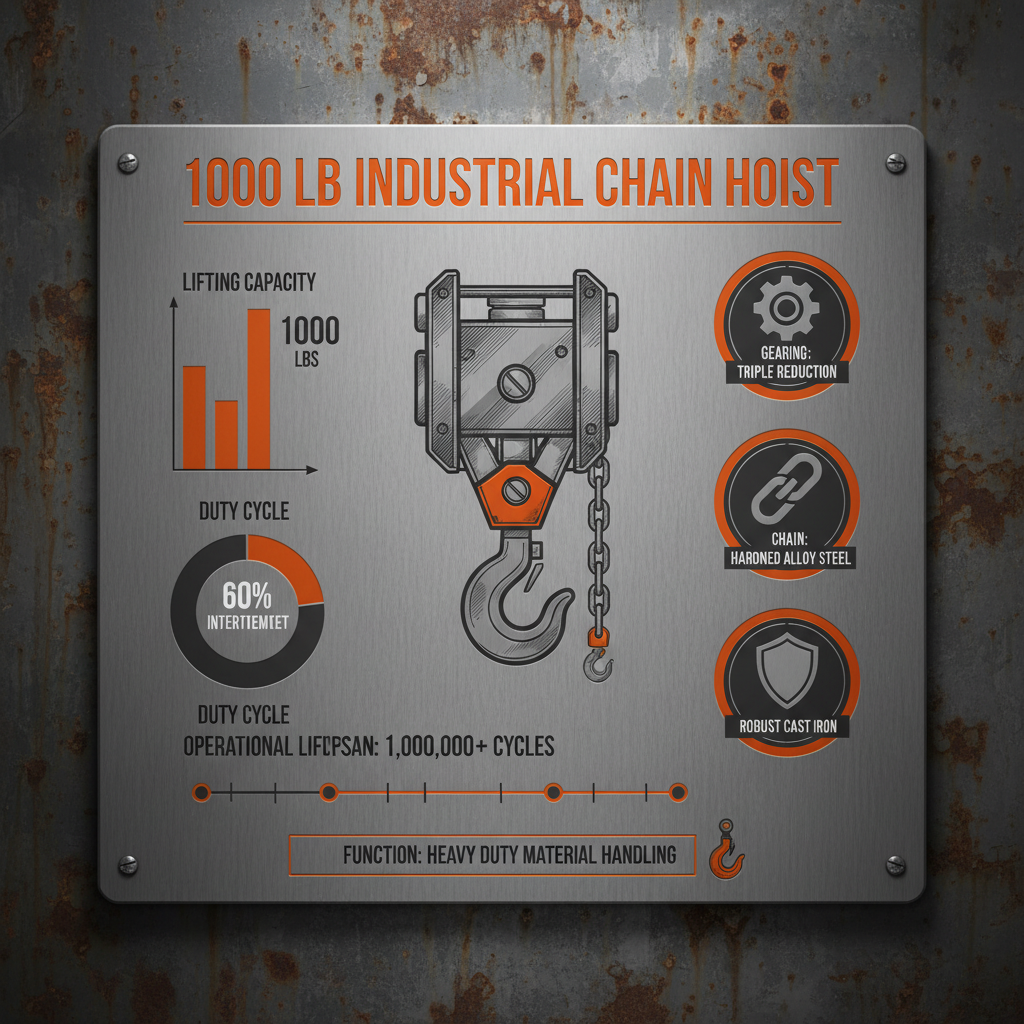
Regular maintenance is essential for prolonging the life of your 1000 lb chain hoist and ensuring its safe operation. Inspect the chain for wear, damage, or corrosion. Lubricate the chain regularly to reduce friction and ensure smooth operation. Check the hoist mechanism for any signs of malfunction. Never exceed the rated capacity of the hoist. Always ensure the load is properly secured before lifting. Train operators on the proper use and maintenance procedures. Following these simple guidelines will help prevent accidents and maximize the lifespan of your equipment.
A 1000 lb chain hoist is a valuable asset for any operation requiring safe and efficient lifting. By understanding the different types, applications, and maintenance requirements, you can select the right hoist for your needs and ensure its long-term performance. Prioritizing safety and investing in quality equipment is paramount for protecting your workforce and optimizing productivity.
The lifting speed of a 1000 lb electric chain hoist varies depending on the model and motor specifications. Generally, lifting speeds range from 10 to 30 feet per minute (approximately 3 to 9 meters per minute). Higher-end models may offer variable speed control for more precise positioning. It's important to check the manufacturer’s specifications for the exact lifting speed of the chosen hoist. Faster lifting speeds are beneficial for increasing productivity in repetitive lifting applications, while slower speeds offer more control.
A manual chain hoist should be inspected before each use, as well as regularly (e.g., monthly) for more thorough checks. Before each use, visually inspect the chain for any signs of damage, wear, or distortion. Check the hoist mechanism for smooth operation and proper engagement of the pawl. During regular inspections, examine the hoist housing for cracks or damage, and lubricate all moving parts. Keep a record of inspections to track maintenance and identify potential issues. Following a consistent inspection schedule will help ensure the continued safe operation of the hoist.
Always wear appropriate personal protective equipment (PPE), including safety glasses and gloves. Ensure the load is properly secured with slings or chains that are rated for the weight being lifted. Keep bystanders clear of the lifting area. Never lift loads that exceed the hoist's rated capacity. Do not operate a damaged hoist. Inspect the hoist before each use. Follow all manufacturer's instructions and safety guidelines. Proper training and adherence to safety protocols are essential for preventing accidents.
While a 1000 lb chain hoist can be used outdoors, it's crucial to choose a model specifically designed for outdoor use. These hoists typically feature corrosion-resistant coatings and sealed mechanisms to protect against weather elements. Avoid using standard chain hoists in wet or corrosive environments. Regular maintenance and inspection are even more important for outdoor hoists to ensure they remain in good working order. Protect the hoist from direct exposure to rain and sunlight when not in use.


 Afrikaans
 Albanian
 Amharic
 Arabic
 Armenian
 Azerbaijani
 Basque
 Belarusian
 Bengali
 Bosnian
 Bulgarian
 Catalan
 Cebuano
 China
China
 China (Taiwan)
 Corsican
 Croatian
 Czech
Czech
 Danish
 Dutch
Dutch
 Esperanto
 Estonian
 Finnish
 French
 Frisian
 Galician
 Georgian
 German
 Greek
Greek
 Gujarati
 Haitian Creole
 Hausa
Hausa
 Hawaiian
 Hebrew
 Hindi
Hindi
 Miao
Miao
 Hungarian
 Icelandic
 Igbo
Igbo
 Indonesian
 Irish
Irish
 Italian
 Japanese
 Javanese
 Kannada
 Kazakh
 Khmer
Khmer
 Rwandese
 Korean
 Kurdish
 Kyrgyz
 Lao
Lao
 Latin
Latin
 Latvian
 Lithuanian
 Luxembourgish
 Macedonian
 Malgashi
 Malay
Malay
 Malayalam
 Maltese
 Maori
Maori
 Marathi
 Mongolian
 Myanmar
 Nepali
 Norwegian
 Norwegian
 Occitan
 Pashto
 Persian
 Polish
 Portuguese
 Punjabi
 Romanian
 Russian
 Samoan
 Scottish Gaelic
 Serbian
 Sesotho
 Shona
Shona
 Sindhi
 Sinhala
 Slovak
 Slovenian
 Somali
 Spanish
 Sundanese
 Swahili
 Swedish
 Tagalog
 Tajik
Tajik
 Tamil
Tamil
 Tatar
Tatar
 Telugu
 Thai
Thai
 Turkish
 Turkmen
 Ukrainian
 Urdu
Urdu
 Uighur
 Uzbek
Uzbek
 Vietnamese
 Welsh
Welsh
 Bantu
Bantu
 Yiddish
 Yoruba
 Zulu
Zulu
 English