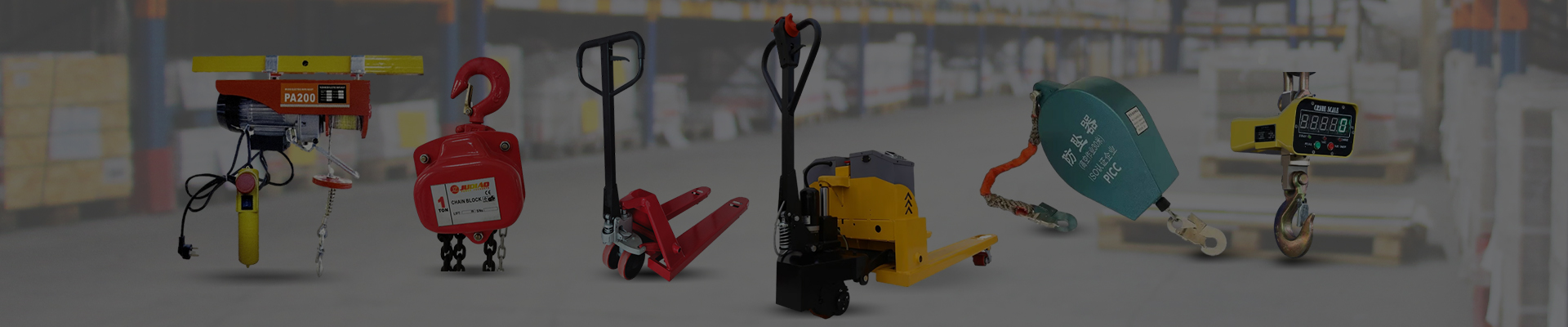


In today's fast-paced industrial and humanitarian environments, lifting and moving heavy objects quickly and safely is a universal challenge. Enter the portable electric hoist, a device that’s reshaping how industries from construction to disaster relief operate worldwide. But why does this matter globally? Simply put, the ability to deploy a lightweight, reliable lifting machine anywhere can mean better efficiency, reduced labor injury risks, and enhanced operational capabilities in otherwise tough conditions.
So, whether you’re a logistics manager in Dubai, an engineer building infrastructure in remote areas, or part of an NGO responding to emergencies, understanding the portable electric hoist—and how it can work for you—adds undeniable value.
Global industrial growth and humanitarian needs are demanding more agile, adaptable tools. According to the International Organization for Standardization (ISO), advances in portable machinery help bridge gaps in remote operations. Data from the World Bank shows 45% of infrastructure projects globally experience delays due to logistical challenges. Hoisting heavy loads efficiently is a part of this puzzle.
Now, imagine a scenario: a remote mining site or an emergency shelter deployment in the aftermath of a disaster—the ability to quickly bring in lifting equipment that’s compact and electric-powered becomes crucial. The portable electric hoist addresses these challenges head-on.
At its core, a portable electric hoist is a compact, mobile device used for lifting or lowering heavy loads using an electric motor. Unlike traditional fixed hoists, portability lets workers take it anywhere—construction sites, warehouses, or rugged terrain—without worries about power sources aside from an electric outlet or batteries.
This kind of equipment isn’t just industrial machinery; it’s a vital tool in modern operations linking technological efficiency with practical accessibility for humanitarian agencies, manufacturers, and contractors alike.
Since these hoists often operate in demanding environments, durability matters. Many feature steel frames and rugged housing, capable of withstanding weather, dust, and rough handling plus intensive daily use.
These devices can lift from a few hundred kilograms to several tons. Depending on the model, they scale well, catering both to small workshops and large construction sites.
While powerful, these hoists are surprisingly lightweight (many under 50 kg), making transport easy by a single person or small team.
Modern portable electric hoists often include energy-efficient motors and optional battery power. This flexibility enables use in off-grid settings or places with unstable electricity.
Overload protection, emergency stop buttons, and secure hooks enhance operator safety—a must-have for compliance and confidence.
| Model | Max Load Capacity | Weight | Power Source | Lift Speed | Special Features |
|---|---|---|---|---|---|
| PEH-500 | 500 kg | 15 kg | AC Electric | 10 m/min | Overload Alarm, Wireless Remote |
| PEH-1500 | 1500 kg | 38 kg | AC/Dual Battery | 8 m/min | Battery Backup, Remote Control |
| PEH-3000 | 3000 kg | 47 kg | AC Electric | 6 m/min | Heavy Duty Steel Rope, Emergency Stop |
Mini takeaway: When selecting a portable electric hoist, balance capacity needs with mobility and power options. After all, a lightweight hoist that can’t handle enough load won’t help much.
Their adaptability makes portable electric hoists valuable in:
For instance, NGOs working in Southeast Asia have leveraged portable electric hoists during typhoon relief efforts to set up infrastructure rapidly, unlike years ago when this could take days and risk worker injury.
| Vendor | Range of Capacity | Smart Features | Warranty | Global Availability |
|---|---|---|---|---|
| QYJuli Industrial | 100–3000 kg | Wireless Controls, Battery Backup | 2 Years | Worldwide |
| LiftMax Solutions | 200–2500 kg | App-Enabled Monitoring | 1.5 Years | North America, Europe |
| Global Hoist Corp. | 500–4000 kg | Automation Integration | 3 Years | Asia, Europe, Americas |
Mini takeaway: When choosing a vendor, think about your operational geography and technology needs. The warranty period also hints at the manufacturer's confidence.
On a practical level, these hoists significantly reduce labor-intensive processes, which means less physical strain and fewer injuries on site. They also cut down project times, which can lower overall costs—something every manager appreciates, frankly. From a sustainability perspective, many models run on energy-efficient motors, reducing the carbon footprint compared to diesel-powered lifts.
And there’s an emotional layer: knowing your workforce has safer, modern tools fosters trust and morale. It feels like investment not just in equipment but in people’s wellbeing.
We’re starting to see the integration of IoT (Internet of Things) sensors that monitor load weight, usage cycles, and maintenance needs remotely—minimizing downtime. Battery tech improvements also mean longer runtimes and faster charging. On the policy front, growing emphasis on worker safety and green energy promises more innovation and stricter standards.
One challenge is ensuring power availability remotely. Battery-backed models help here, but they add weight and cost. Additionally, transport logistics can be tricky in rough terrains. Modular designs that disassemble easily for packing are a promising solution, some say.
Material fatigue and wear remain concerns, so routine inspections and advancements in steel alloys are crucial. Cybersecurity for remote-controlled hoists is emerging as another important frontier as digital controls spread.
The portable electric hoist is far more than simple lifting equipment; it’s a versatile solution that meets real-world challenges across industries and borders. Their long-term value—improving safety, efficiency, and operational flexibility—is clear, especially as technology continues to evolve.
Interested in exploring how a portable electric hoist can empower your projects or relief efforts? Visit our website for expert advice and product options tailored to your needs.
Reflecting on these devices, it’s striking how such “small” machinery plays a huge role in global productivity and safety. It’s a reminder that behind every big project, reliable lifting power quietly does the heavy lifting.
References:
1. ISO Standards on Hoisting Machinery — iso.org
2. World Bank Infrastructure Data — worldbank.org
3. Portable Equipment Safety Guidelines — Wikipedia


 Afrikaans
 Albanian
 Amharic
 Arabic
 Armenian
 Azerbaijani
 Basque
 Belarusian
 Bengali
 Bosnian
 Bulgarian
 Catalan
 Cebuano
 China
China
 China (Taiwan)
 Corsican
 Croatian
 Czech
Czech
 Danish
 Dutch
Dutch
 Esperanto
 Estonian
 Finnish
 French
 Frisian
 Galician
 Georgian
 German
 Greek
Greek
 Gujarati
 Haitian Creole
 Hausa
Hausa
 Hawaiian
 Hebrew
 Hindi
Hindi
 Miao
Miao
 Hungarian
 Icelandic
 Igbo
Igbo
 Indonesian
 Irish
Irish
 Italian
 Japanese
 Javanese
 Kannada
 Kazakh
 Khmer
Khmer
 Rwandese
 Korean
 Kurdish
 Kyrgyz
 Lao
Lao
 Latin
Latin
 Latvian
 Lithuanian
 Luxembourgish
 Macedonian
 Malgashi
 Malay
Malay
 Malayalam
 Maltese
 Maori
Maori
 Marathi
 Mongolian
 Myanmar
 Nepali
 Norwegian
 Norwegian
 Occitan
 Pashto
 Persian
 Polish
 Portuguese
 Punjabi
 Romanian
 Russian
 Samoan
 Scottish Gaelic
 Serbian
 Sesotho
 Shona
Shona
 Sindhi
 Sinhala
 Slovak
 Slovenian
 Somali
 Spanish
 Sundanese
 Swahili
 Swedish
 Tagalog
 Tajik
Tajik
 Tamil
Tamil
 Tatar
Tatar
 Telugu
 Thai
Thai
 Turkish
 Turkmen
 Ukrainian
 Urdu
Urdu
 Uighur
 Uzbek
Uzbek
 Vietnamese
 Welsh
Welsh
 Bantu
Bantu
 Yiddish
 Yoruba
 Zulu
Zulu
 English