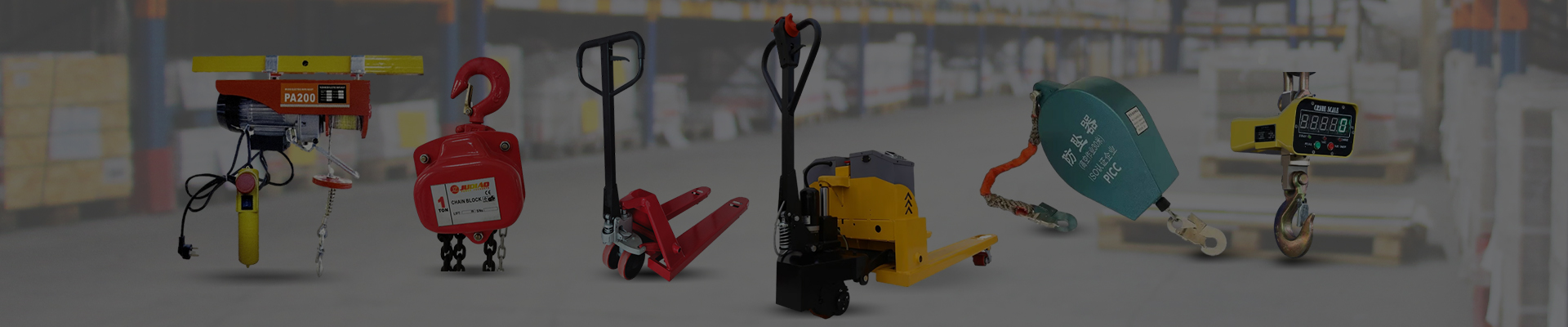


Having spent well over a decade working in the industrial equipment sector, I’ve come across a good number of lifting solutions. But oddly enough, the outdoor electric hoist has this consistent appeal when it comes to handling heavy loads in rugged conditions. Whether it’s construction, mining, or even dockside operations, these devices prove to be a versatile, workhorse tool that many engineers swear by.
Now, the thing about outdoor electric hoists is that they’re designed not just to lift heavy weights but to endure the harsh elements—rain, dust, temperature swings—you name it. That’s where build quality really matters. Most units I’ve worked with feature robust steel frames coated with industrial-grade paint or powder coating for corrosion resistance. Inside, the motors are usually sealed tight to prevent moisture damage. This resilience is what sets them apart from indoor hoists.
One thing I appreciate about top models is the blend of raw power and precision. You’d think hoists are just muscle machines, but in real terms, accuracy and smooth operation save a lot of headaches on site. Many electric hoists come with variable speed controls and limit switches that protect both the machinery and the operators. Even the cable drums and hooks are engineered with safety and durability in mind.
Here’s a typical set of specs drawn from a popular outdoor electric hoist model I’ve worked with recently. The numbers tell the story pretty well:
| Specification | Details |
|---|---|
| Lifting Capacity | 1,000 - 5,000 kg |
| Lifting Height | Up to 30 meters |
| Motor Power | 2.2 - 7.5 kW |
| Operating Voltage | 380V/50Hz (three-phase) |
| Control Mode | Pendant or Remote Control |
| Protection Class | IP54 to IP65 |
But let's back up a bit—why choose an electric model over a manual or hydraulic hoist? I often hear folks talk about maintenance headaches, but frankly, modern electric hoists are pretty straightforward. If you keep up with lubrication, check the electrical connections regularly, and avoid overloading, they’ll serve you well for years. Plus, the efficiency gains are substantial. Electrically powered hoists let you operate with fewer workers and less fatigue, which in some ways adds a layer of safety and productivity on the job.
Speaking of safety, many vendors these days offer additional customization—like overload protection, emergency stop functions, or even IoT-enabled monitoring for real-time diagnostics. I remember visiting a yard where the crew had retrofitted their hoists with sensors to alert supervisors if something was amiss. It felt like a clever mix of old-school ruggedness and new tech smarts.
Speaking of vendors, it’s a mixed bag. Here’s a handy comparison highlighting some key players I’ve had experience with, focusing on pricing, build quality, and service responsiveness. I’ve anonymized names but kept the essence intact:
| Vendor | Price Range | Build Quality | Customer Service | Customization Options |
|---|---|---|---|---|
| Vendor A | $$$ | Excellent | Responsive, fast | Wide range |
| Vendor B | $$ | Good | Average | Limited |
| Vendor C | $$$ | Very Good | Excellent | Moderate |
One particular story that sticks with me is about a small construction outfit that switched from manual chain hoists to an outdoor electric hoist for handling steel beams. Initially, they were skeptical due to the upfront cost, but once in use, the hoist cut their load time in half and kept operators safer by reducing strain. It felt like a game changer, especially because they often worked in wet, uneven terrain.
So, what’s the takeaway here? If you’re in the market for lifting gear that truly blends durability, safety, and efficiency, an outdoor electric hoist is a solid bet. Of course, you’ll want to tailor the specs and vendor choice according to your specific needs—but as someone who’s seen them perform in all sorts of conditions, I can tell you it’s an investment that pays for itself in reliability.
References:
1. Industry Equipment Annual Report, 2023
2. Machinery Safety Guidelines, OSHA
3. Customer Case Study, Private Construction Firm, 2022


 Afrikaans
 Albanian
 Amharic
 Arabic
 Armenian
 Azerbaijani
 Basque
 Belarusian
 Bengali
 Bosnian
 Bulgarian
 Catalan
 Cebuano
 China
China
 China (Taiwan)
 Corsican
 Croatian
 Czech
Czech
 Danish
 Dutch
Dutch
 Esperanto
 Estonian
 Finnish
 French
 Frisian
 Galician
 Georgian
 German
 Greek
Greek
 Gujarati
 Haitian Creole
 Hausa
Hausa
 Hawaiian
 Hebrew
 Hindi
Hindi
 Miao
Miao
 Hungarian
 Icelandic
 Igbo
Igbo
 Indonesian
 Irish
Irish
 Italian
 Japanese
 Javanese
 Kannada
 Kazakh
 Khmer
Khmer
 Rwandese
 Korean
 Kurdish
 Kyrgyz
 Lao
Lao
 Latin
Latin
 Latvian
 Lithuanian
 Luxembourgish
 Macedonian
 Malgashi
 Malay
Malay
 Malayalam
 Maltese
 Maori
Maori
 Marathi
 Mongolian
 Myanmar
 Nepali
 Norwegian
 Norwegian
 Occitan
 Pashto
 Persian
 Polish
 Portuguese
 Punjabi
 Romanian
 Russian
 Samoan
 Scottish Gaelic
 Serbian
 Sesotho
 Shona
Shona
 Sindhi
 Sinhala
 Slovak
 Slovenian
 Somali
 Spanish
 Sundanese
 Swahili
 Swedish
 Tagalog
 Tajik
Tajik
 Tamil
Tamil
 Tatar
Tatar
 Telugu
 Thai
Thai
 Turkish
 Turkmen
 Ukrainian
 Urdu
Urdu
 Uighur
 Uzbek
Uzbek
 Vietnamese
 Welsh
Welsh
 Bantu
Bantu
 Yiddish
 Yoruba
 Zulu
Zulu
 English