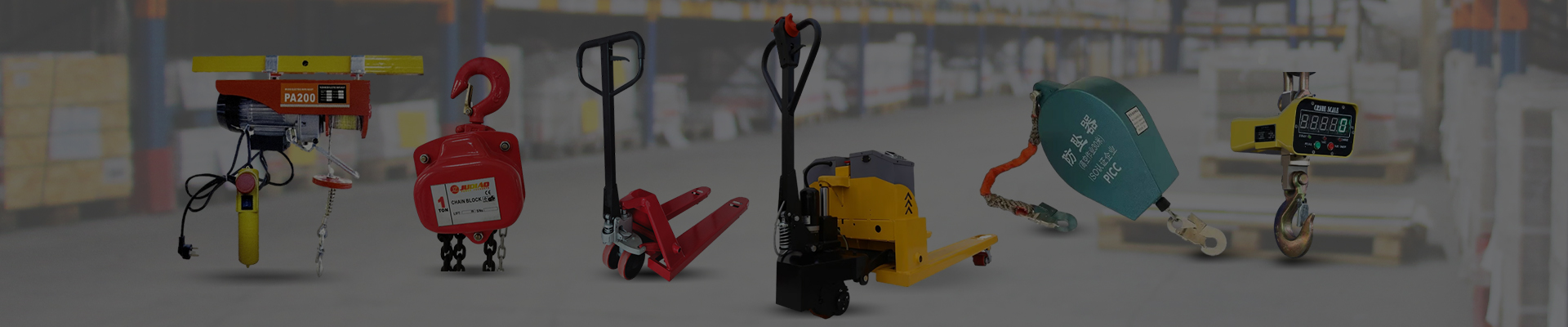


When it comes to lifting and moving heavy loads, efficiency and safety are paramount. A 1t chain hoist provides a robust and reliable solution for a multitude of applications across various industries. This article will explore the features, benefits, safety considerations, and common uses of a 1-ton chain hoist, offering a comprehensive guide for professionals and those seeking to understand this essential piece of lifting equipment. Selecting the right hoist can significantly improve productivity and minimize workplace risks. Qyjuli offers a wide range of high-quality chain hoists to meet your specific lifting needs.
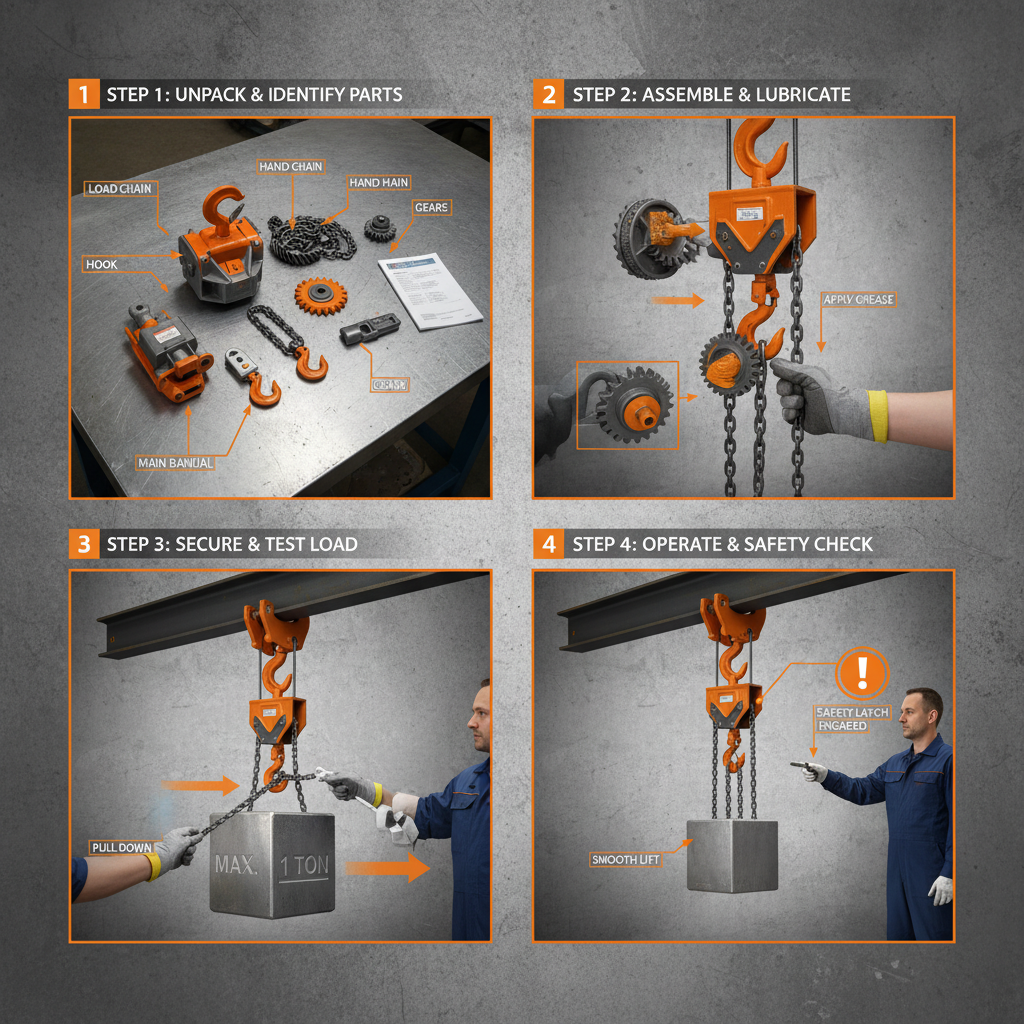
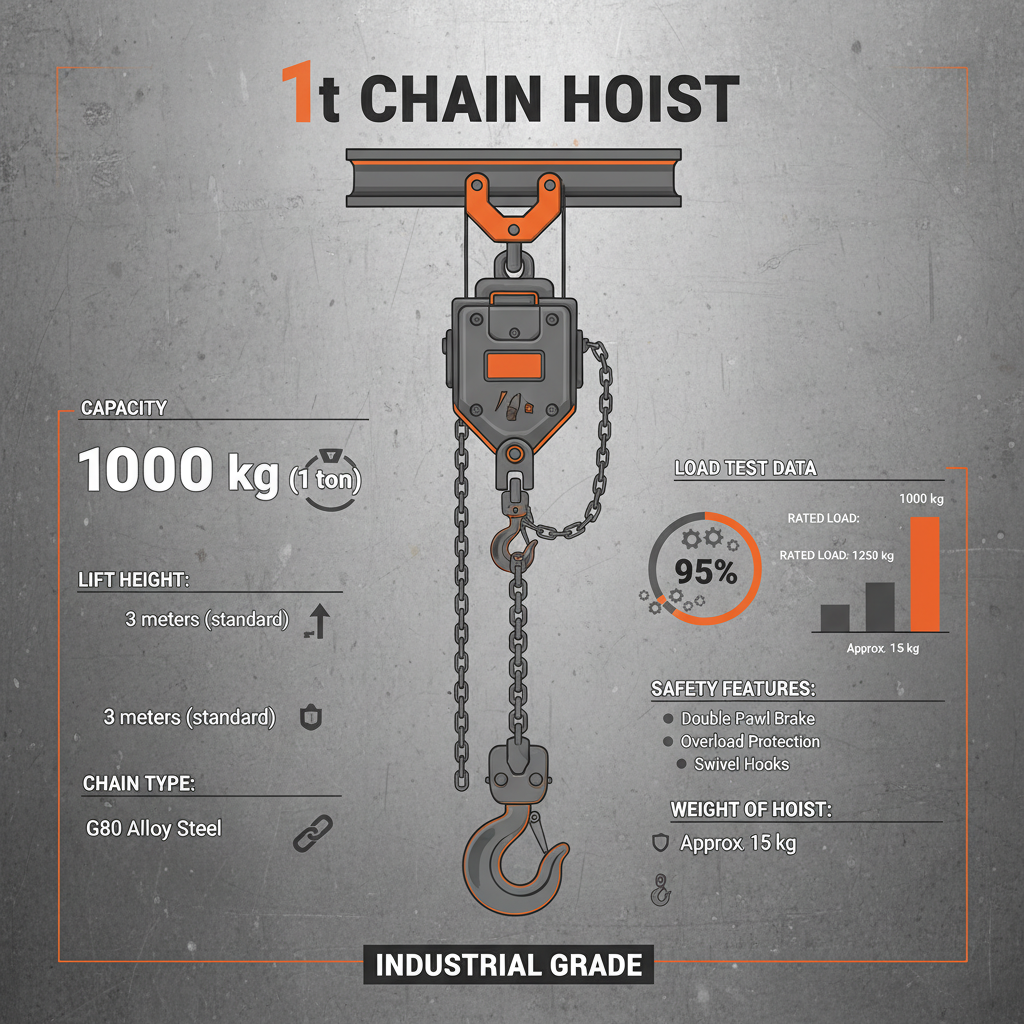
A 1t (1000kg) chain hoist is designed to lift loads weighing up to one metric ton. These hoists typically feature a durable steel construction, ensuring longevity and resistance to wear and tear. They utilize a chain mechanism for lifting and lowering, offering precise control and a secure hold. Common features include a handwheel or lever for operation, a lifting hook for attaching to the load, and a sturdy frame for mounting. Different types are available, including manual and electric models, catering to diverse operational requirements. A quality chain hoist from a reputable supplier like Qyjuli guarantees performance and reliability.
Key Highlights: Durable steel construction, precise chain mechanism, versatile lifting options, available in manual and electric models.
Choosing between a manual and an electric 1t chain hoist depends on your specific needs and application. Manual hoists are powered by human effort, making them ideal for situations where electricity is unavailable or portability is required. Electric hoists, on the other hand, are powered by an electric motor, offering faster lifting speeds and reduced operator fatigue, suitable for high-volume lifting tasks. Consider the frequency of use, the weight of the loads, and the available power source when making your decision. Here's a detailed comparison:
The versatility of a 1t chain hoist makes it indispensable across a wide array of industries. In construction, they're used for lifting building materials, tools, and equipment. Manufacturing facilities rely on them for moving heavy machinery, components, and finished products. Warehouses use them for loading and unloading trucks, organizing inventory, and optimizing storage space. Automotive repair shops employ them for lifting engines and other heavy parts. Other applications include rigging, event production, and maintenance work. Qyjuli's range of chain hoists are suitable for all these applications and more.
Safety is paramount when operating a 1t chain hoist. Always inspect the hoist before each use, checking for any signs of damage, wear, or corrosion. Ensure the lifting hook is securely attached to the load and that the load is balanced. Never exceed the rated capacity of the hoist. Avoid sudden movements or jerks during lifting and lowering. Keep the area around the hoist clear of personnel. Follow all manufacturer’s instructions and adhere to relevant safety regulations. Regular maintenance and inspection by qualified personnel are crucial for ensuring the continued safe operation of the hoist. Qyjuli provides comprehensive safety guidelines and support for all its products.
A 1t chain hoist is a versatile and essential tool for a wide range of lifting applications. By understanding its features, benefits, and safety considerations, you can select the right hoist for your needs and operate it safely and effectively. Investing in a high-quality hoist from a reputable supplier like Qyjuli ensures reliability, durability, and peace of mind. Prioritize safety and efficiency with a robust and dependable lifting solution.
Regular maintenance is crucial for ensuring the safe and reliable operation of a 1t chain hoist. This includes inspecting the chain for wear and tear, lubricating moving parts, and checking the lifting hook for cracks or damage. The chain should be periodically cleaned and re-lubricated to prevent corrosion. It's also essential to inspect the hoist's frame and components for any signs of damage. Following the manufacturer’s recommendations for maintenance intervals is highly recommended. Professional inspections should be carried out at least annually.
The lifting height of a standard 1t chain hoist varies depending on the model. Common lifting heights range from 3 meters (approximately 10 feet) to 6 meters (approximately 20 feet). However, custom lifting heights are often available upon request. It’s important to select a hoist with a lifting height that adequately meets your specific application requirements, allowing for sufficient clearance to lift and maneuver the load safely.
While a 1t chain hoist can be used outdoors, it's important to choose a model specifically designed for outdoor use. These hoists typically feature corrosion-resistant coatings and weather-resistant components to protect against the elements. Avoid using standard hoists in wet or corrosive environments, as this can lead to damage and failure. Properly covering or storing the hoist when not in use will also help prolong its lifespan.


 Afrikaans
 Albanian
 Amharic
 Arabic
 Armenian
 Azerbaijani
 Basque
 Belarusian
 Bengali
 Bosnian
 Bulgarian
 Catalan
 Cebuano
 China
China
 China (Taiwan)
 Corsican
 Croatian
 Czech
Czech
 Danish
 Dutch
Dutch
 Esperanto
 Estonian
 Finnish
 French
 Frisian
 Galician
 Georgian
 German
 Greek
Greek
 Gujarati
 Haitian Creole
 Hausa
Hausa
 Hawaiian
 Hebrew
 Hindi
Hindi
 Miao
Miao
 Hungarian
 Icelandic
 Igbo
Igbo
 Indonesian
 Irish
Irish
 Italian
 Japanese
 Javanese
 Kannada
 Kazakh
 Khmer
Khmer
 Rwandese
 Korean
 Kurdish
 Kyrgyz
 Lao
Lao
 Latin
Latin
 Latvian
 Lithuanian
 Luxembourgish
 Macedonian
 Malgashi
 Malay
Malay
 Malayalam
 Maltese
 Maori
Maori
 Marathi
 Mongolian
 Myanmar
 Nepali
 Norwegian
 Norwegian
 Occitan
 Pashto
 Persian
 Polish
 Portuguese
 Punjabi
 Romanian
 Russian
 Samoan
 Scottish Gaelic
 Serbian
 Sesotho
 Shona
Shona
 Sindhi
 Sinhala
 Slovak
 Slovenian
 Somali
 Spanish
 Sundanese
 Swahili
 Swedish
 Tagalog
 Tajik
Tajik
 Tamil
Tamil
 Tatar
Tatar
 Telugu
 Thai
Thai
 Turkish
 Turkmen
 Ukrainian
 Urdu
Urdu
 Uighur
 Uzbek
Uzbek
 Vietnamese
 Welsh
Welsh
 Bantu
Bantu
 Yiddish
 Yoruba
 Zulu
Zulu
 English