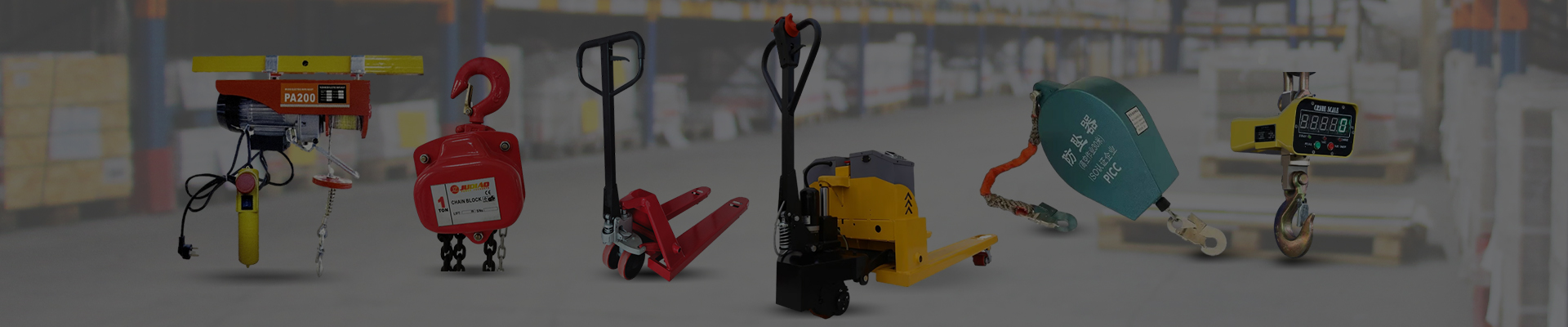


In the world of industrial lifting equipment, the k2 chain block plays a surprisingly crucial role. It's one of those tools that quietly keeps industries running—not flashy, but indispensable. Worldwide, as infrastructure expands and humanitarian needs grow more complex, having reliable, durable lifting solutions like the k2 chain block becomes an unspoken cornerstone. This simple piece of machinery helps move heavy loads with precision and safety, impacting construction zones, disaster relief efforts, and industrial plants alike. So, why should you care? Because understanding how such devices work and their real-world benefits sheds light on the machinery behind modern progress—quite literally.
The International Labour Organization reports that millions of workers rely on lifting equipment daily, making workplace safety and efficiency a global priority. Industries demand equipment that’s robust, cost-effective, and adaptable—qualities that k2 chain blocks embody. From sprawling construction sites in Asia to remote mining projects in Africa, the dependency on such tools spans continents.
Yet, issues like equipment failure, poorly maintained hoists, and limited access to quality tools can cause project delays, accidents, or inflated costs. Enter the k2 chain block—a solution that addresses many of these challenges, helping industries reduce downtime, improve safety, and optimize labor.
At its core, a k2 chain block is a manual hoisting device designed for lifting or lowering heavy objects by using a chain wrapped around gears and a pulley system. Think of it as a mechanical advantage tool—it lets a single worker exert much less force to lift substantial weights. Unlike powered hoists, its simplicity means fewer moving parts, making it sturdy and more maintainable in challenging environments.
The magic lies in its connection to industries ranging from construction and manufacturing to humanitarian operations. For instance, in unpredictable terrains where electricity might be sparse, a k2 chain block is a reliable alternative to motorized hoists.
The k2 chain block is more than a lifting device; it’s a compact engineering marvel marrying simplicity and reliability, crucial where power—or patience—runs thin.
Many k2 chain blocks are forged from high-grade steel alloys and feature corrosion-resistant finishes. This ensures they can withstand harsh industrial conditions—rain, dust, chemical exposure, and more—without failing prematurely.
Built-in overload protection and secure locking mechanisms reduce accident risks. Manufacturers are increasingly subjecting their products to stringent ISO and EN testing standards—a reflection of industry focus on worker safety.
Compact design and relatively low weight mean operators can transport and deploy the block rapidly. Even in cramped spaces or rugged environments, the simplicity of operation provides a big advantage.
The k2 chain block generally comes in various load capacities, from 0.5 to 20 tons or more, adaptable to the needs of different projects. Manufacturers offer customization options to fit specific lifting requirements.
Thanks to fewer electronic components, these devices are easier and cheaper to maintain. Routine lubrication and periodic inspections often suffice to keep them in top shape for years.
Whether you value rugged endurance or lightweight convenience, the k2 chain block balances these competing demands with thoughtful design and proven engineering.
These hoists find homes in a wide array of applications and geographies:
For example, after the 2015 Nepal earthquake, NGOs equipped response teams with chain blocks to clear rubble and erect temporary shelters swiftly—proving these devices’ critical role beyond industrial uses.
It’s not just factories or warehouses; the k2 chain block quietly supports life-saving operations and global infrastructure development alike.
Subjectively, this creates an emotional connection—workers often feel safer with tools that “do what they say.” I’ve spoken to engineers who trust k2 chain blocks precisely because they’ve never let them down under pressure.
The industrial sector is leaning into smarter, greener, and more automated solutions. For k2 chain blocks, this means several interesting developments:
Like any tool, chain blocks aren’t without quirks. Common concerns include:
Innovations in ergonomic design and improved materials help mitigate wear and operator fatigue. Plus, combining chain blocks with powered hoists in a hybrid approach expands capabilities for heavier loads.
| Specification | Details |
|---|---|
| Load Capacity | 0.5 to 20 tons |
| Chain Material | Alloy Steel, Heat-Treated |
| Finish | Powder Coated / Galvanized |
| Lifting Speed | Approx. 0.15 to 0.30 m/s |
| Certifications | ISO 9001, CE Mark, EN 13157 |
| Vendor | Price Range | Warranty | Special Features |
|---|---|---|---|
| LiftPro Industries | $150 - $600 | 3 years | Ergonomic handle design, overload limiter |
| ChainMaster Co. | $180 - $700 | 5 years | Smart sensor integration, modular parts |
| HeavyHaul Gears | $130 - $550 | 2 years | Galvanized finish, quick chain replacement |
Always select a chain block rated above your heaviest expected load with a good safety margin (usually 20%-30%). Factoring in future lifting needs and operational conditions can help prevent overload risks.
Yes, most k2 chain blocks are designed with weather-resistant coatings, but regular maintenance—like lubrication and inspection—is key to prevent rust or malfunction when frequently exposed to moisture.
Not necessarily. Manual hoists are excellent where power isn’t available or costs need to be kept low. However, for heavy or continuous lifting, powered hoists may be more efficient and less physically demanding.
Yes. Operators should be trained in lifting techniques, safe load handling, and inspection protocols to minimize risks. Many vendors also provide safety guidelines with their products.
Absolutely. Manufacturers typically offer adjustable chain lengths or custom configurations, which is crucial for applications with unique height or reach requirements.
In the end, the k2 chain block’s blend of simplicity and rugged reliability continues to make it a smart investment globally. Whether you’re an engineer on a megaproject or part of an aid organization setting up camp in challenging terrain, this tool underscores the timeless engineering principle: sometimes, less is more. To explore the latest models and innovations in k2 chain blocks, visit our website for detailed specs and expert advice.
The k2 chain block is more than just a mechanical device—it’s a global workhorse that supports progress and safety with every lift.


 Afrikaans
 Albanian
 Amharic
 Arabic
 Armenian
 Azerbaijani
 Basque
 Belarusian
 Bengali
 Bosnian
 Bulgarian
 Catalan
 Cebuano
 China
China
 China (Taiwan)
 Corsican
 Croatian
 Czech
Czech
 Danish
 Dutch
Dutch
 Esperanto
 Estonian
 Finnish
 French
 Frisian
 Galician
 Georgian
 German
 Greek
Greek
 Gujarati
 Haitian Creole
 Hausa
Hausa
 Hawaiian
 Hebrew
 Hindi
Hindi
 Miao
Miao
 Hungarian
 Icelandic
 Igbo
Igbo
 Indonesian
 Irish
Irish
 Italian
 Japanese
 Javanese
 Kannada
 Kazakh
 Khmer
Khmer
 Rwandese
 Korean
 Kurdish
 Kyrgyz
 Lao
Lao
 Latin
Latin
 Latvian
 Lithuanian
 Luxembourgish
 Macedonian
 Malgashi
 Malay
Malay
 Malayalam
 Maltese
 Maori
Maori
 Marathi
 Mongolian
 Myanmar
 Nepali
 Norwegian
 Norwegian
 Occitan
 Pashto
 Persian
 Polish
 Portuguese
 Punjabi
 Romanian
 Russian
 Samoan
 Scottish Gaelic
 Serbian
 Sesotho
 Shona
Shona
 Sindhi
 Sinhala
 Slovak
 Slovenian
 Somali
 Spanish
 Sundanese
 Swahili
 Swedish
 Tagalog
 Tajik
Tajik
 Tamil
Tamil
 Tatar
Tatar
 Telugu
 Thai
Thai
 Turkish
 Turkmen
 Ukrainian
 Urdu
Urdu
 Uighur
 Uzbek
Uzbek
 Vietnamese
 Welsh
Welsh
 Bantu
Bantu
 Yiddish
 Yoruba
 Zulu
Zulu
 English