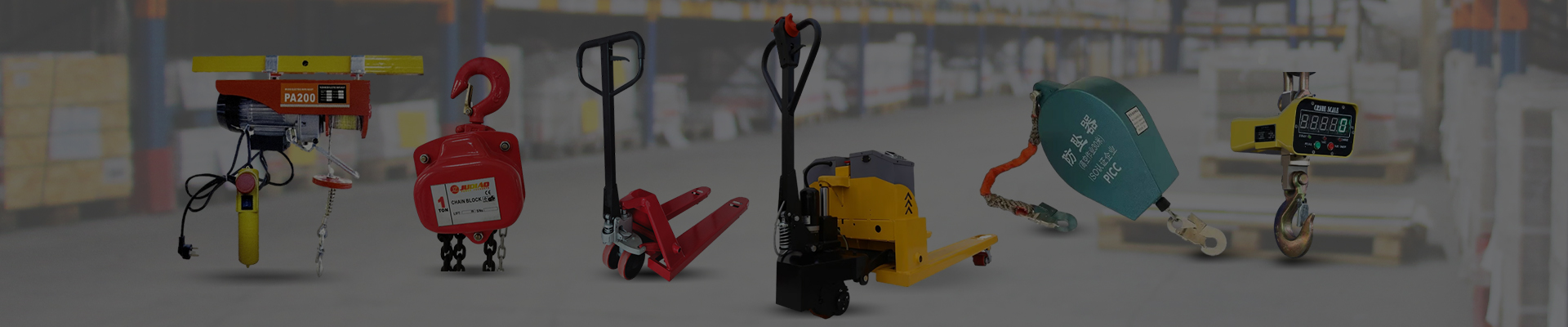


At first blush, a manual chain hoist might seem like an old-school contraption, but in reality, it remains a sturdy workhorse in industries across the globe. Whether lifting heavy engine components in a factory or aiding crisis relief teams by moving supplies in remote areas, this tool punches well above its weight. Its importance stretches beyond simple lifting – it’s about safety, cost-efficiency, and reliability in environments where electric or hydraulic options might fail or be impractical.
Globally, construction, manufacturing, and emergency response sectors rely heavily on this basic yet brilliant device. Understanding how this modest piece of equipment functions, and where it shines best, benefits engineers, operators, and those responsible for workplace safety and logistics management alike.
Breaking out the stats, the International Labour Organization estimates that over 2.3 million fatal occupational accidents occur globally each year, many linked to improper lifting methods and unsafe mechanical aids. Here, the manual chain hoist plays a quiet but vital role. Unlike electric hoists, it requires no power source and generally demands less maintenance — an advantage in locations with unreliable electricity or rough terrains.
The UN's Sustainable Development Goals also emphasize safe and sustainable industrial processes. Manual hoists, with their simplicity and durability, embody these goals by ensuring safer lifting without hefty energy consumption. Yet, challenges remain — improper training or subpar equipment can put workers at risk, highlighting the need for quality products and responsible use.
In simple terms, a manual chain hoist is a mechanical device that uses a hand-operated chain to lift or lower heavy loads. The basic setup involves a chain wheel, load chain, and a gear system that multiplies force. When you pull the hand chain, the load chain moves, lifting the weight attached. It’s a clever exercise in physics and engineering, made accessible and portable.
This device is a cornerstone in industries requiring heavy lifting where electrical equipment may be unsuitable or unavailable. Think disaster relief scenarios or remote industrial sites: personnel rely on manual chain hoists to safely move equipment without the need for fuel, power, or complex infrastructure.
Manufactured with robust steel and corrosion-resistant coatings, a durable manual chain hoist can endure tough environments – from humid shipyards to dusty construction sites. The gears and chains face constant stress, so quality materials mean fewer breakdowns and safer operation.
Chain hoists come rated for various weights, from just a few hundred kilograms to several tons. It’s crucial to pick a model that fits the application to avoid overloading, which can be catastrophic. Many engineers say there's a comfort in knowing the hoist’s rating aligns perfectly with the task at hand.
One of the main appeals of a manual chain hoist is its relative lightness and compact size. Without the need for power supply cables or heavy motors, operators can set up and remove the hoist quickly. It’s odd how something so simple can sometimes beat high-tech gear in speed and adaptability.
Modern designs include safety latches to prevent accidental load dropping and brake mechanisms that hold the weight securely when the operator stops pulling. These features have evolved over the years, reflecting tighter regulations and deeper understanding of workplace hazards.
Although simpler than powered hoists, manual chain hoists need regular lubrication and inspection to keep them in good shape. A neglected chain can rust or snap unexpectedly, so routine checks are non-negotiable for safe operation.
Compared to electrically powered hoists, manual versions are much more affordable, both upfront and over their lifespan, thanks to fewer components that can fail.
| Specification | Typical Value |
|---|---|
| Load Capacity | 0.5 to 10 Tons |
| Lift Height | 1.5 to 10 meters |
| Material | Alloy Steel Chain & Steel Housing |
| Brake Type | Manual Pawl/Automatic Load Brake |
| Weight | 8 - 40 kg (depending on capacity) |
| Operation | Hand-chain driven |
Mini takeaway: When choosing a manual chain hoist, durability and safety trump all. It might look like a simple gadget, but the real engineering lies in balancing strength, user comfort, and longevity.
Manually operated chain hoists enjoy broad use. Construction sites in East Africa, where power grids can be spotty, depend on them for erecting heavy scaffolding and moving loads. Likewise, in Southeast Asia’s sprawling factories, these hoists help assemble large machinery without the hazards of electric tools near water or flammable materials.
In humanitarian relief efforts, such as those organized by NGOs after natural disasters, manual chain hoists enable teams to unload supplies in areas cut off from electricity. There’s no fancy gadgetry—just simple tools doing hard work reliably. I can’t help but admire how such plain devices make such a difference when the pressure is on.
Finally, maintenance workshops and warehouses around the world appreciate their portability and low operational costs, making manual chain hoists a global staple.
Behind these practical factors lies a more subtle emotional edge: operators know their lives depend on this gear working without fail. It’s not just a tool, but a partner in safety and success.
Technological advances might not mean adding motors or automation to the manual chain hoist itself. Instead, the future leans toward better materials—like lighter alloys and corrosion-resistant coatings—that increase durability while trimming weight.
Digital aids for inspection are also emerging. Think smartphone apps that scan QR codes on hoists to log maintenance or alert operators when wear is detected. These “smart inspections” could become standard, making manual hoists even safer without sacrificing simplicity.
And whispers in the industry suggest more ergonomic designs to reduce operator fatigue, alongside sustainability certifications to satisfy stricter environmental regulations. In short, the humble manual chain hoist is quietly evolving, not disappearing.
Despite their strength and reliability, manual chain hoists do have limitations. For one, they require physical effort, which might be less practical for extremely heavy or repetitive loads. Plus, if maintenance is overlooked, chains can corrode and gears can fail—introducing risk.
Experts recommend regular operator training and strict adherence to load capacities. Innovations like high-performance synthetic chains (lighter and rust-proof) are slowly gaining traction as solutions to these problems. In many cases, combining manual chain hoists with other lifting aids can optimize workflow.
| Vendor | Capacity Range | Material Quality | Price (USD) | Warranty |
|---|---|---|---|---|
| LiftPro Co. | 0.5 – 5 Tons | High-grade alloy steel | $120 – $450 | 2 years |
| ChainMasters | 0.75 – 10 Tons | Rust-proof steel | $150 – $600 | 3 years |
| HoistHub | 1 – 8 Tons | Reinforced carbon steel | $130 – $520 | 1.5 years |
So, when it comes down to dependable, cost-effective heavy lifting, the manual chain hoist remains a beloved tool in many industries. Its simplicity is not a drawback but a strength — reliable, maintainable, and versatile. For anyone needing a robust lifting solution, it’s worth considering the humble manual chain hoist as a key part of your toolkit.
Want to learn more or shop trusted models? Visit our website at manual chain hoist for detailed specs, expert advice, and exclusive offers.
Mini takeaway: Sometimes, the best innovations start by mastering simplicity.


 Afrikaans
 Albanian
 Amharic
 Arabic
 Armenian
 Azerbaijani
 Basque
 Belarusian
 Bengali
 Bosnian
 Bulgarian
 Catalan
 Cebuano
 China
China
 China (Taiwan)
 Corsican
 Croatian
 Czech
Czech
 Danish
 Dutch
Dutch
 Esperanto
 Estonian
 Finnish
 French
 Frisian
 Galician
 Georgian
 German
 Greek
Greek
 Gujarati
 Haitian Creole
 Hausa
Hausa
 Hawaiian
 Hebrew
 Hindi
Hindi
 Miao
Miao
 Hungarian
 Icelandic
 Igbo
Igbo
 Indonesian
 Irish
Irish
 Italian
 Japanese
 Javanese
 Kannada
 Kazakh
 Khmer
Khmer
 Rwandese
 Korean
 Kurdish
 Kyrgyz
 Lao
Lao
 Latin
Latin
 Latvian
 Lithuanian
 Luxembourgish
 Macedonian
 Malgashi
 Malay
Malay
 Malayalam
 Maltese
 Maori
Maori
 Marathi
 Mongolian
 Myanmar
 Nepali
 Norwegian
 Norwegian
 Occitan
 Pashto
 Persian
 Polish
 Portuguese
 Punjabi
 Romanian
 Russian
 Samoan
 Scottish Gaelic
 Serbian
 Sesotho
 Shona
Shona
 Sindhi
 Sinhala
 Slovak
 Slovenian
 Somali
 Spanish
 Sundanese
 Swahili
 Swedish
 Tagalog
 Tajik
Tajik
 Tamil
Tamil
 Tatar
Tatar
 Telugu
 Thai
Thai
 Turkish
 Turkmen
 Ukrainian
 Urdu
Urdu
 Uighur
 Uzbek
Uzbek
 Vietnamese
 Welsh
Welsh
 Bantu
Bantu
 Yiddish
 Yoruba
 Zulu
Zulu
 English