

When it comes to lifting and moving heavy loads, a reliable chain hoist is indispensable. The 20 ft chain hoist is a popular choice, offering a blend of durability, lifting capacity, and ease of use. This article provides an in-depth look at this essential piece of equipment, covering its features, applications, safety considerations, and how to choose the right one for your needs. From industrial settings to construction sites, a correctly selected 20 ft chain hoist can significantly improve efficiency and safety.
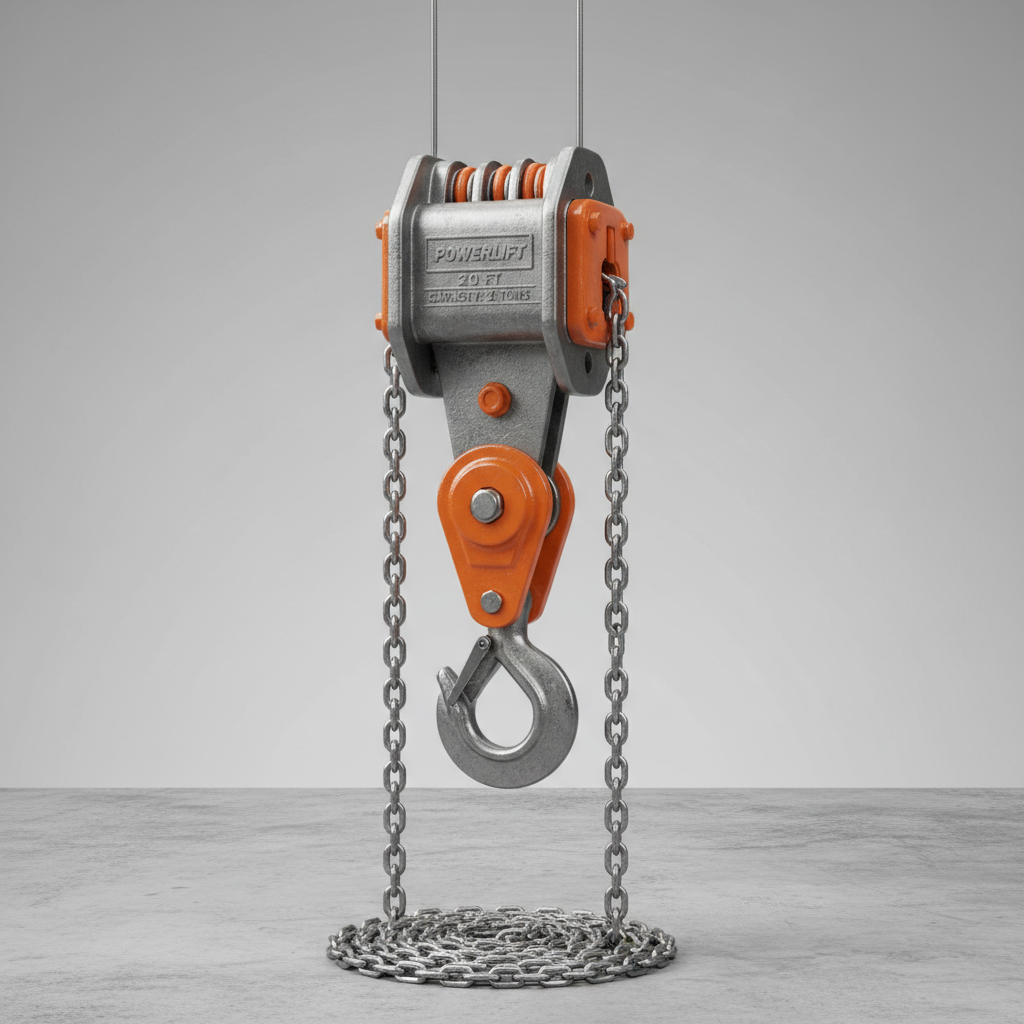
A 20 ft chain hoist is characterized by its 20-foot lifting height, making it suitable for applications requiring moderate vertical lift. These hoists typically feature a robust steel construction, ensuring long-lasting durability even under heavy loads. They employ a chain lifting mechanism, providing a smooth and controlled lifting process. Common features include a handwheel or lever for operation, a safety latch to prevent accidental slippage, and a swivel hook for easy load attachment. Different models offer varying weight capacities, so selecting one that matches your lifting requirements is crucial. Qyjuli’s chain hoists are known for their superior build quality and safety features.
Key Highlights: Robust steel construction, 20-foot lifting height, smooth chain lifting mechanism, safety latch for secure operation, swivel hook for easy load attachment.
The versatility of a 20 ft chain hoist makes it applicable across numerous industries. In construction, it's used for lifting materials to different levels of a building. Manufacturing facilities utilize it for moving heavy machinery and components. Automotive shops employ it for engine removal and installation. Warehouses and storage facilities benefit from its ability to lift and position goods efficiently. It's also commonly found in rigging applications, stage construction, and even home workshops for specific projects. Choosing the right hoist with the appropriate capacity is critical for each application. Qyjuli’s range of chain hoists caters to a wide array of these applications.
Common Applications:
• Construction material lifting
• Machinery movement in manufacturing
• Engine lifting in automotive repair
• Warehouse and storage goods positioning
Several types of 20 ft chain hoists are available, each suited for different needs. Manual chain hoists are the most common, relying on hand power for operation and are ideal for intermittent lifting. Lever hoists, also manual, offer greater lifting power and are easier to operate in tight spaces. Electric chain hoists provide faster and more efficient lifting with the push of a button, suitable for high-volume applications. Air-powered chain hoists are often used in hazardous environments where electrical sparks are a concern. Understanding these differences is crucial for selecting the most appropriate hoist for your specific requirements.
Safety is paramount when operating a chain hoist. Always inspect the hoist before each use, checking for worn or damaged components. Ensure the load is properly secured and balanced before lifting. Never exceed the hoist’s rated capacity. Keep hands and feet clear of the lifting chain during operation. Avoid lifting loads over people. Use appropriate personal protective equipment (PPE), such as gloves and safety glasses. Regular maintenance, including lubrication, is essential for safe and reliable operation. Qyjuli provides detailed safety guidelines with all its chain hoists.
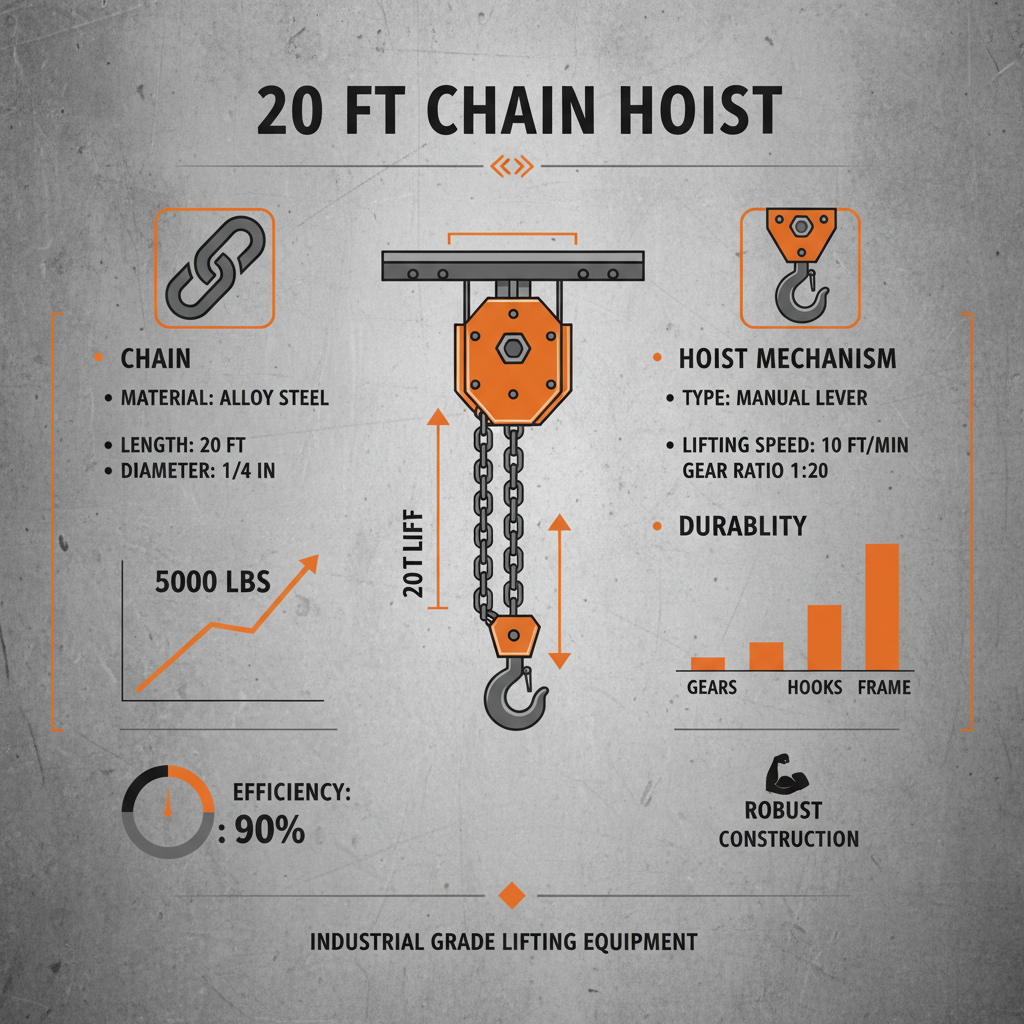
Selecting the correct 20 ft chain hoist involves considering several factors. Determine the weight of the heaviest load you'll be lifting. Assess the lifting height required. Consider the operating environment and choose a hoist suitable for the conditions (e.g., electric for indoor use, air-powered for hazardous environments). Evaluate the frequency of use and opt for a more durable and efficient hoist if it will be used extensively. Finally, choose a reputable manufacturer like Qyjuli to ensure quality and safety.
The 20 ft chain hoist is an invaluable tool for a wide range of lifting applications. By carefully considering your needs and choosing a high-quality hoist from a trusted manufacturer like Qyjuli, you can ensure safe, efficient, and reliable lifting for years to come. Don't compromise on safety or performance – invest in a 20 ft chain hoist that meets your specific requirements.
The Safe Working Load (SWL) varies depending on the specific hoist model and manufacturer. It's absolutely crucial to check the hoist’s label or documentation to determine its SWL. Never exceed this limit. The SWL represents the maximum weight that can be safely lifted by the hoist. Using a hoist beyond its SWL significantly increases the risk of failure and potential injury. Qyjuli clearly labels all its hoists with their respective SWLs.
You should inspect your chain hoist before each use. This includes checking the chain for wear and tear, verifying the operation of the safety latch, and inspecting the hoist body for any signs of damage. A more thorough inspection should be conducted annually by a qualified professional to ensure the hoist is in safe working condition. Keep a record of all inspections and maintenance performed.
Regular maintenance is essential for prolonging the life and ensuring the safe operation of your chain hoist. This includes lubricating the chain, gears, and other moving parts, cleaning the hoist to remove dirt and debris, and checking for loose bolts or fasteners. Avoid using harsh chemicals or abrasive cleaners, as these can damage the hoist’s components. Refer to the manufacturer's manual for specific maintenance recommendations.
Yes, but you need to choose a hoist specifically designed for outdoor use. These hoists typically have corrosion-resistant coatings to protect them from the elements. It’s also important to protect the hoist from direct exposure to rain and sunlight when not in use. Electric hoists used outdoors should be appropriately weatherproofed.


 Afrikaans
 Albanian
 Amharic
 Arabic
 Armenian
 Azerbaijani
 Basque
 Belarusian
 Bengali
 Bosnian
 Bulgarian
 Catalan
 Cebuano
 China
China
 China (Taiwan)
 Corsican
 Croatian
 Czech
Czech
 Danish
 Dutch
Dutch
 Esperanto
 Estonian
 Finnish
 French
 Frisian
 Galician
 Georgian
 German
 Greek
Greek
 Gujarati
 Haitian Creole
 Hausa
Hausa
 Hawaiian
 Hebrew
 Hindi
Hindi
 Miao
Miao
 Hungarian
 Icelandic
 Igbo
Igbo
 Indonesian
 Irish
Irish
 Italian
 Japanese
 Javanese
 Kannada
 Kazakh
 Khmer
Khmer
 Rwandese
 Korean
 Kurdish
 Kyrgyz
 Lao
Lao
 Latin
Latin
 Latvian
 Lithuanian
 Luxembourgish
 Macedonian
 Malgashi
 Malay
Malay
 Malayalam
 Maltese
 Maori
Maori
 Marathi
 Mongolian
 Myanmar
 Nepali
 Norwegian
 Norwegian
 Occitan
 Pashto
 Persian
 Polish
 Portuguese
 Punjabi
 Romanian
 Russian
 Samoan
 Scottish Gaelic
 Serbian
 Sesotho
 Shona
Shona
 Sindhi
 Sinhala
 Slovak
 Slovenian
 Somali
 Spanish
 Sundanese
 Swahili
 Swedish
 Tagalog
 Tajik
Tajik
 Tamil
Tamil
 Tatar
Tatar
 Telugu
 Thai
Thai
 Turkish
 Turkmen
 Ukrainian
 Urdu
Urdu
 Uighur
 Uzbek
Uzbek
 Vietnamese
 Welsh
Welsh
 Bantu
Bantu
 Yiddish
 Yoruba
 Zulu
Zulu
 English