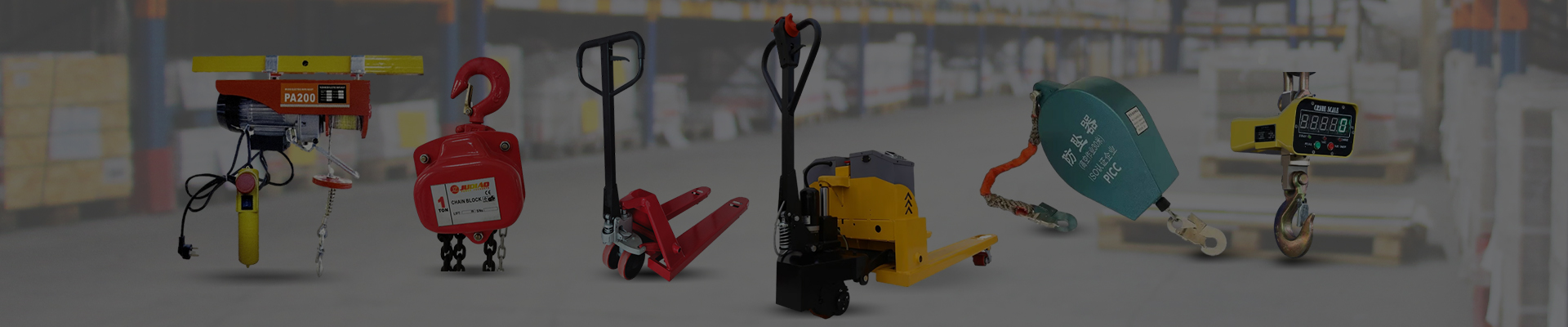


In an increasingly mechanized world, the demand for equipment that is both efficient and unobtrusive grows handsomely. The quiet electric hoist shines in this niche, offering a new level of operational calm to loud industrial environments. Why does this matter? Globally, industries operate in settings where noise pollution is not just an inconvenience but a real health and regulatory challenge. For hospitals, laboratories, or urban construction sites, quiet workflows are essential, enhancing worker safety and community wellbeing.
Understanding this equipment’s key benefits—reduced noise, energy efficiency, and reliability—helps companies and humanitarian agencies optimize budgets while meeting sustainability standards. The ripple effects touch quality of life, environment-friendly workspaces, and even compliance with international noise regulations.
Globally, industrial noise pollution has prompted many governments and organizations such as the World Health Organization (WHO) and the International Organization for Standardization (ISO) to press for quieter machinery. According to WHO, over 1 billion young people worldwide are at risk of hearing loss due to noise exposure. More broadly, the UN's sustainable development goals encourage innovation that ensures safer and healthier workplaces across all sectors.
This is where the quiet electric hoist fits perfectly. Its design caters to industries needing heavy-lifting solutions without adding to noise levels. From Europe’s strict noise ordinances to Asian mega-cities battling urban pollution, this hoist answers a global challenge. In real terms, they reduce environmental noise impact, improve worker morale, and ensure smooth operations where noise-sensitive equipment or populations are nearby.
A quiet electric hoist is a lifting device powered by electricity, engineered specifically to operate with minimal noise output compared to traditional electric or pneumatic hoists. Think of it as the “whispering” workhorse – lifting heavy loads almost silently by employing advanced motor technology, vibration reduction systems, and soundproof housing.
These hoists are often used in modern manufacturing, healthcare logistics, and humanitarian relief efforts to move supplies quietly and safely, particularly when noise could disrupt sensitive processes or environments.
At the heart of the quiet electric hoist is noise suppression. Manufacturers use sound-dampening materials and precision engineering—like helical gears instead of spur gears—to significantly cut operational clatter. Sometimes, thermal insulation also cushions vibrations, greatly improving noise profiles.
Quiet hoists often employ brushless DC motors or energy-efficient induction motors that not only reduce noise but also lower power consumption. This means longer life cycles and reduced electrical costs, which, frankly, every operations manager loves.
Despite the emphasis on quiet operation, these hoists don’t compromise on strength. They handle loads ranging from a few hundred kilograms to several tons, making them suitable for warehouses, factories, and even outdoor construction sites.
Many quiet electric hoists come equipped with overload protection, emergency stop buttons, and thermal cut-outs. Safety, after all, cannot be sacrificed for silence—but good engineering can integrate both.
Modern quiet hoists often include wireless remote controls or smart interfaces, enabling precise, easy maneuvering without extra noise from manual handling. Integration with crane rails and existing lifting infrastructure is typically smooth, too.
Quiet electric hoists strike a balance between performance and noise reduction through careful engineering, energy efficiency, and safety features.
Quiet electric hoists have found their way into diverse sectors worldwide:
Beyond just quiet operation, these hoists offer cost savings from energy efficiency, reducing utility bills. Sustainability plays a big role: quieter machinery means less noise pollution—key for social licenses to operate, especially in densely populated or regulated areas.
Social impact includes enhanced worker wellbeing—less stress and hearing damage—and increased trust among communities near industrial zones. Emotionally, it’s reassuring to employees when companies invest in quieter, safer equipment. That reliability creates loyalty and smooth workflows.
| Specification | Details |
|---|---|
| Load Capacity | 500 kg (1100 lbs) |
| Noise Level | |
| Motor Type | Brushless DC Motor |
| Control | Wireless Remote with Emergency Stop |
| Power Supply | 220V AC, 50/60 Hz |
| Dimensions | 450 x 200 x 170 mm |
| Company | Noise Level (dB) | Load Capacity | Smart Control | Energy Efficiency |
|---|---|---|---|---|
| QYJuli | Up to 1000 kg | Yes, wireless | High (Brushless Motor) | |
| LiftTech | Up to 1500 kg | Optional | Moderate | |
| SilentLift | Up to 800 kg | Yes, integrated app | High |
Looking ahead, I find it exciting how electric hoists are moving toward even quieter, greener models—think solar-powered or hybrid electric variants that further cut emissions and power consumption. Digital controls integrated with IoT allow predictive maintenance, reducing downtime and optimally managing noise levels in real time.
Materials are getting lighter but tougher, using composites and new alloys to reduce vibration and noise. Some even come with AI-enhanced algorithms for balancing load dynamically and ensuring silent operation under varied conditions. Oddly enough, silence has become a high-tech frontier!
Of course, no technology is without hurdles. One big challenge is cost: these sophisticated hoists can be pricier upfront than noisy, conventional models. Also, retrofitting existing lifting systems might demand custom integration, which some engineers find tricky.
Still, savvy buyers overcome these through lifecycle cost analysis; lower energy bills and reduced hearing protection requirements often pay back in a couple of years. Plus, modular designs and vendor support services make installation and maintenance smoother than before.
As industries evolve, the quiet electric hoist represents a smart investment balancing performance, safety, and sustainability. It’s not just about moving heavy loads more silently—it’s about improving human wellbeing, meeting regulations, and supporting greener operations. If you want to explore these solutions further, visit our website at https://www.qyjuli.com to find the perfect quiet hoist for your needs.
Personally, I've noticed quieter workplaces foster smoother teamwork and less stress. Maybe it’s the gentle hum instead of harsh clatter that makes all the difference...


 Afrikaans
 Albanian
 Amharic
 Arabic
 Armenian
 Azerbaijani
 Basque
 Belarusian
 Bengali
 Bosnian
 Bulgarian
 Catalan
 Cebuano
 China
China
 China (Taiwan)
 Corsican
 Croatian
 Czech
Czech
 Danish
 Dutch
Dutch
 Esperanto
 Estonian
 Finnish
 French
 Frisian
 Galician
 Georgian
 German
 Greek
Greek
 Gujarati
 Haitian Creole
 Hausa
Hausa
 Hawaiian
 Hebrew
 Hindi
Hindi
 Miao
Miao
 Hungarian
 Icelandic
 Igbo
Igbo
 Indonesian
 Irish
Irish
 Italian
 Japanese
 Javanese
 Kannada
 Kazakh
 Khmer
Khmer
 Rwandese
 Korean
 Kurdish
 Kyrgyz
 Lao
Lao
 Latin
Latin
 Latvian
 Lithuanian
 Luxembourgish
 Macedonian
 Malgashi
 Malay
Malay
 Malayalam
 Maltese
 Maori
Maori
 Marathi
 Mongolian
 Myanmar
 Nepali
 Norwegian
 Norwegian
 Occitan
 Pashto
 Persian
 Polish
 Portuguese
 Punjabi
 Romanian
 Russian
 Samoan
 Scottish Gaelic
 Serbian
 Sesotho
 Shona
Shona
 Sindhi
 Sinhala
 Slovak
 Slovenian
 Somali
 Spanish
 Sundanese
 Swahili
 Swedish
 Tagalog
 Tajik
Tajik
 Tamil
Tamil
 Tatar
Tatar
 Telugu
 Thai
Thai
 Turkish
 Turkmen
 Ukrainian
 Urdu
Urdu
 Uighur
 Uzbek
Uzbek
 Vietnamese
 Welsh
Welsh
 Bantu
Bantu
 Yiddish
 Yoruba
 Zulu
Zulu
 English