

To be honest, the whole pallet truck scene in China’s been… busy. A lot of folks are ditching the basic stuff and wanting more. More capacity, more features, even just… nicer paint. It’s not just about moving pallets anymore, it's about streamlining everything. Everyone wants to look efficient, you know? And efficiency costs money.
Have you noticed the push for electric ones? Big. Used to be, electric pallet trucks were for warehouses with super smooth floors and deep pockets. Now, even smaller workshops are asking for them. Quiet, cleaner… and less strain on the guys pushing ‘em around all day. Though I’ve seen a few that claim to be ‘heavy duty’ that just can’t handle a real load. More on that later…
It’s a weird time. Demand's up, but quality control? That’s still the biggest headache. You get what you pay for, obviously, but even at the higher end, you gotta inspect everything. It's frustrating.
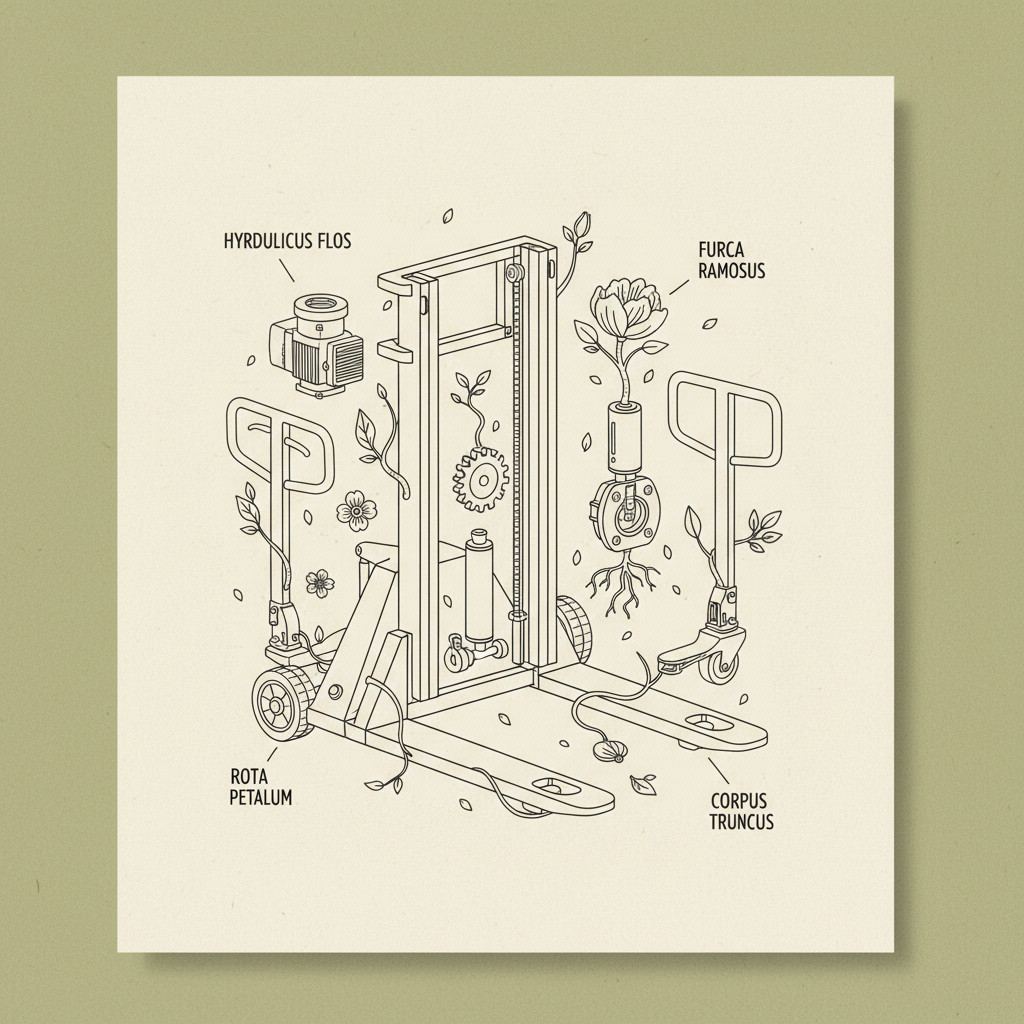
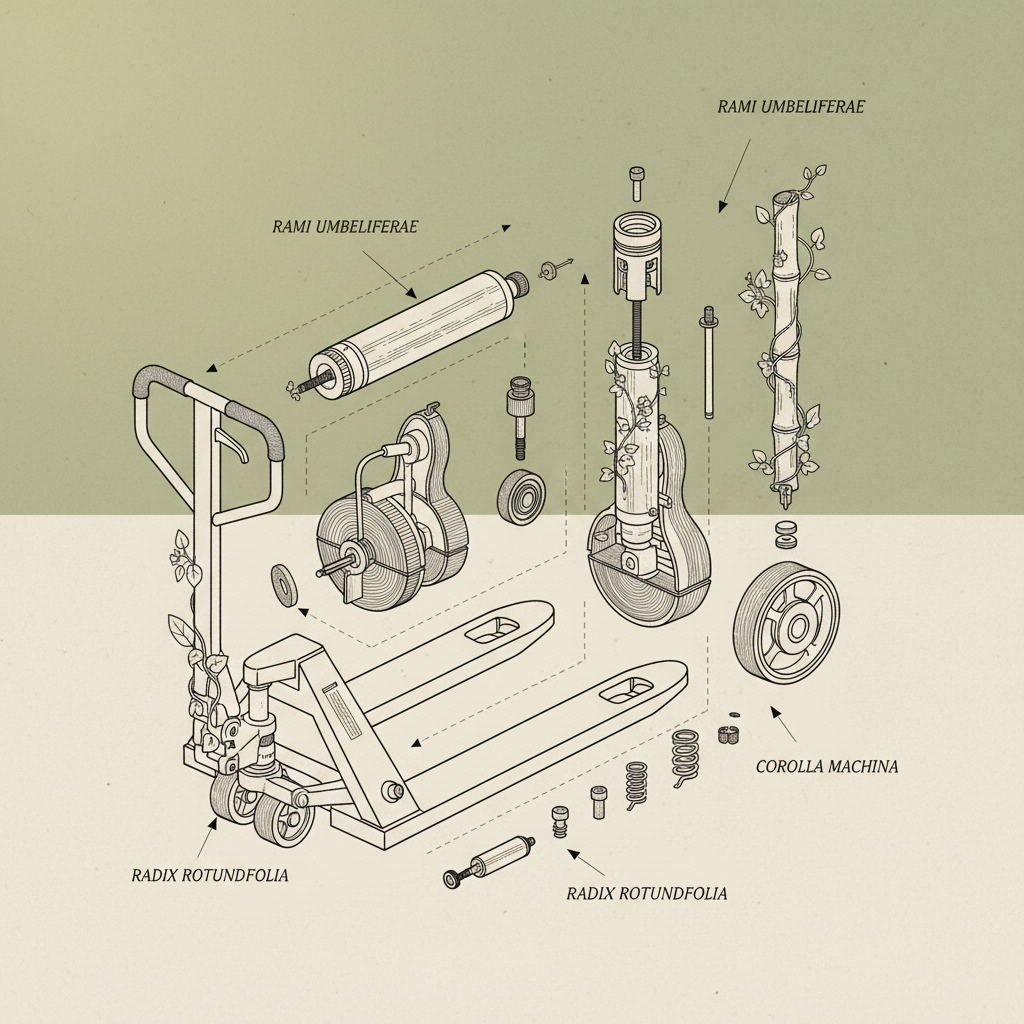
Strangely enough, a lot of the innovation isn't coming from the big names. It's the smaller factories, the ones willing to take a risk. They’re playing with different steel alloys, experimenting with new pump designs… I saw one last month that had a built-in scale! Scale! Who needs a scale on a pallet truck? Apparently, some people do. And honestly, it's not a bad idea, preventing overloading.
Anyway, I think the biggest trend right now is miniaturization. Companies are looking for pallet trucks that can fit into tighter spaces, handle lighter loads. It’s all about optimizing space in those mega-warehouses. And the demand for pallet truck china is definitely on the rise globally, spurred by the growth of e-commerce and global supply chains. According to a report by the UN, global trade volume is expected to increase by 5% annually for the next five years, putting immense pressure on logistics and material handling equipment.
That depends, honestly. A cheap one? Maybe a year, two if you're lucky. A good quality one, with regular maintenance, could last five to ten years easily. It really comes down to how hard it’s used and how well it's looked after. We’ve seen some that are still going strong after fifteen years, but those are rare. It's the hydraulic system that usually gives out first, then the forks bend or the frame cracks.
Electric ones are a bit more involved. You've got batteries to maintain – checking the water levels, making sure they’re charged properly. And the electrical components need to be inspected regularly. You'll also need to lubricate the moving parts, just like a manual truck. It’s not rocket science, but it does require a bit more attention. Don't ignore warning lights! They are there for a reason.
Some are, some aren’t. Look for models with sealed hydraulic systems and corrosion-resistant coatings. Avoid anything with exposed electrical components if you're going to be using it outdoors in the rain. And make sure the wheels have good traction. Slippery surfaces are dangerous. It's better to invest in a model specifically designed for outdoor use if that’s your primary application.
Generally, European ones use higher quality materials and have tighter tolerances. They're built to last, but they come with a price tag. Chinese manufacturers have come a long way in recent years, and the quality has improved dramatically. You can get a good quality truck from China at a fraction of the cost, but you need to do your research and choose a reputable supplier. I’ve seen some that are almost as good as the European brands.
The pump is critical. Look for one that's well-sealed and made from durable materials. A lot of the cheaper pumps use low-quality seals that leak over time. You want a pump that lifts smoothly and consistently, without any jerking or hesitation. A slow, grinding pump is a bad sign. Test it several times, lifting a full load each time, before you buy it.
Absolutely. Most manufacturers offer customization options. You can usually specify the fork length and width, the frame color, even add special features like side rollers or a built-in scale (though, as I mentioned earlier, I’m not sure why you’d want a scale). The minimum order quantity will vary depending on the manufacturer. Just be prepared to pay a premium for custom work.
So, where does all this leave us? Pallet truck china are essential tools for modern logistics, and the market is evolving rapidly. The key is finding the right balance between quality, price, and features. Don't just go for the cheapest option, but don't overspend on features you don't need.
Look, I’ve been doing this for a long time, and I've seen a lot of pallet trucks come and go. Ultimately, whether this thing works or not, the worker will know the moment he tightens the screw. If it feels solid, feels right, it probably is. If it feels flimsy, trust your gut.



 Afrikaans
 Albanian
 Amharic
 Arabic
 Armenian
 Azerbaijani
 Basque
 Belarusian
 Bengali
 Bosnian
 Bulgarian
 Catalan
 Cebuano
 China
China
 China (Taiwan)
 Corsican
 Croatian
 Czech
Czech
 Danish
 Dutch
Dutch
 Esperanto
 Estonian
 Finnish
 French
 Frisian
 Galician
 Georgian
 German
 Greek
Greek
 Gujarati
 Haitian Creole
 Hausa
Hausa
 Hawaiian
 Hebrew
 Hindi
Hindi
 Miao
Miao
 Hungarian
 Icelandic
 Igbo
Igbo
 Indonesian
 Irish
Irish
 Italian
 Japanese
 Javanese
 Kannada
 Kazakh
 Khmer
Khmer
 Rwandese
 Korean
 Kurdish
 Kyrgyz
 Lao
Lao
 Latin
Latin
 Latvian
 Lithuanian
 Luxembourgish
 Macedonian
 Malgashi
 Malay
Malay
 Malayalam
 Maltese
 Maori
Maori
 Marathi
 Mongolian
 Myanmar
 Nepali
 Norwegian
 Norwegian
 Occitan
 Pashto
 Persian
 Polish
 Portuguese
 Punjabi
 Romanian
 Russian
 Samoan
 Scottish Gaelic
 Serbian
 Sesotho
 Shona
Shona
 Sindhi
 Sinhala
 Slovak
 Slovenian
 Somali
 Spanish
 Sundanese
 Swahili
 Swedish
 Tagalog
 Tajik
Tajik
 Tamil
Tamil
 Tatar
Tatar
 Telugu
 Thai
Thai
 Turkish
 Turkmen
 Ukrainian
 Urdu
Urdu
 Uighur
 Uzbek
Uzbek
 Vietnamese
 Welsh
Welsh
 Bantu
Bantu
 Yiddish
 Yoruba
 Zulu
Zulu
 English