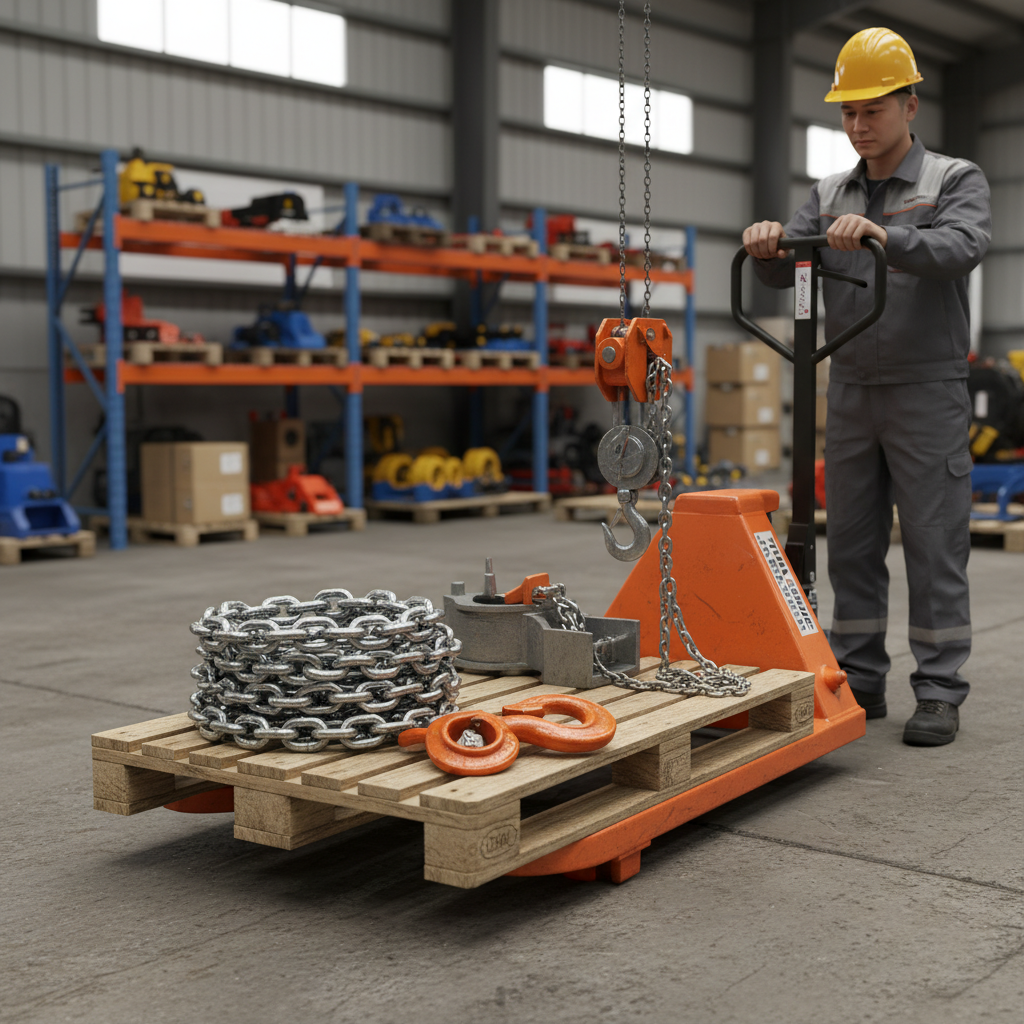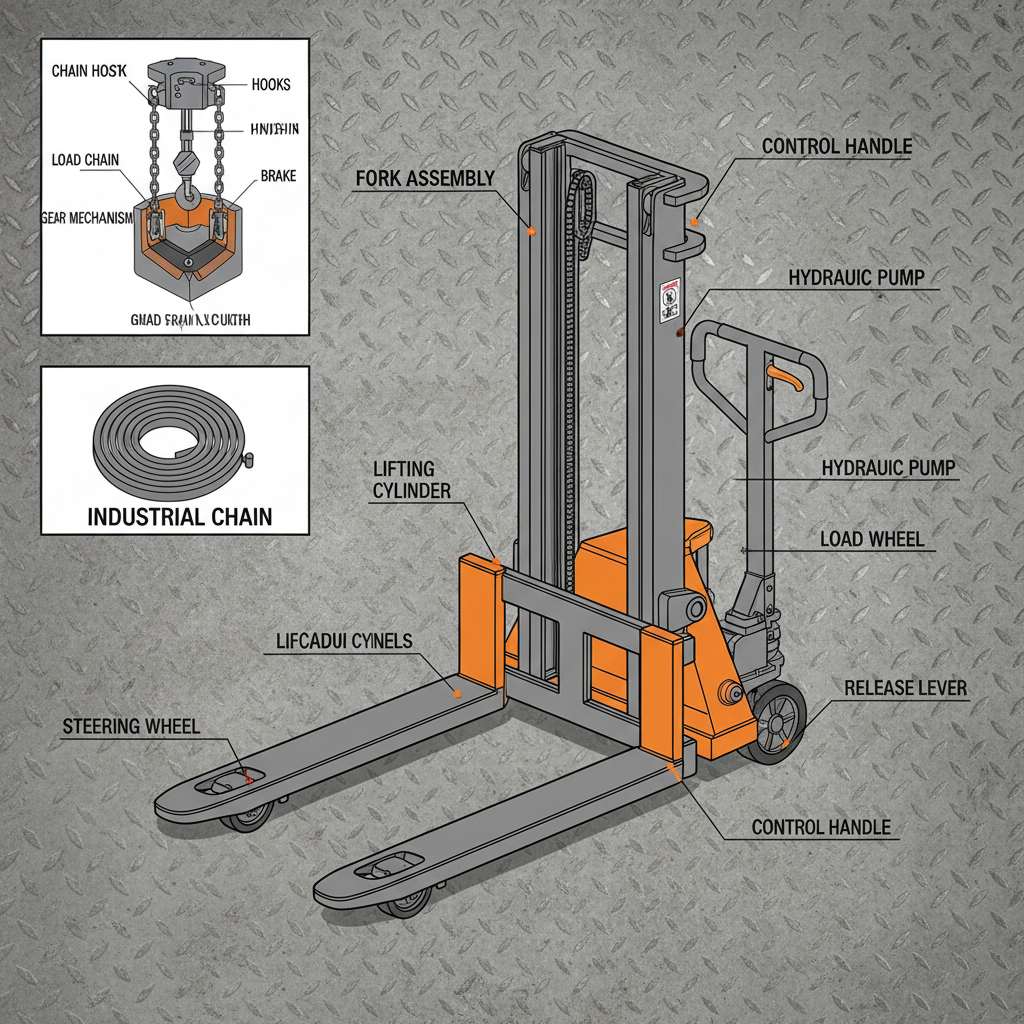


Chain block use represents a crucial element in modern lifting and material handling, impacting industries from construction and manufacturing to logistics and beyond. Its ability to safely and efficiently raise and lower heavy loads is fundamental to numerous operational processes. Understanding the principles behind chain block use, its various applications, and the associated safety protocols is paramount for ensuring workplace safety and maximizing productivity. This knowledge is increasingly critical as industries demand more robust and reliable lifting solutions.
Globally, the demand for safe and efficient lifting equipment is consistently growing, fueled by infrastructure development, industrial expansion, and the increasing need for streamlined logistics. According to the World Bank, global infrastructure investment is projected to reach trillions of dollars in the coming decades, necessitating a corresponding increase in lifting capacity and safety standards. Chain blocks, offering a balance of strength, durability, and affordability, play a vital role in meeting this demand, particularly in developing economies.
The challenges inherent in lifting heavy objects – the risk of injury, damage to materials, and operational delays – are directly addressed by the proper implementation of chain block use. Effective training, regular maintenance, and adherence to safety regulations are all integral to mitigating these risks and optimizing performance.
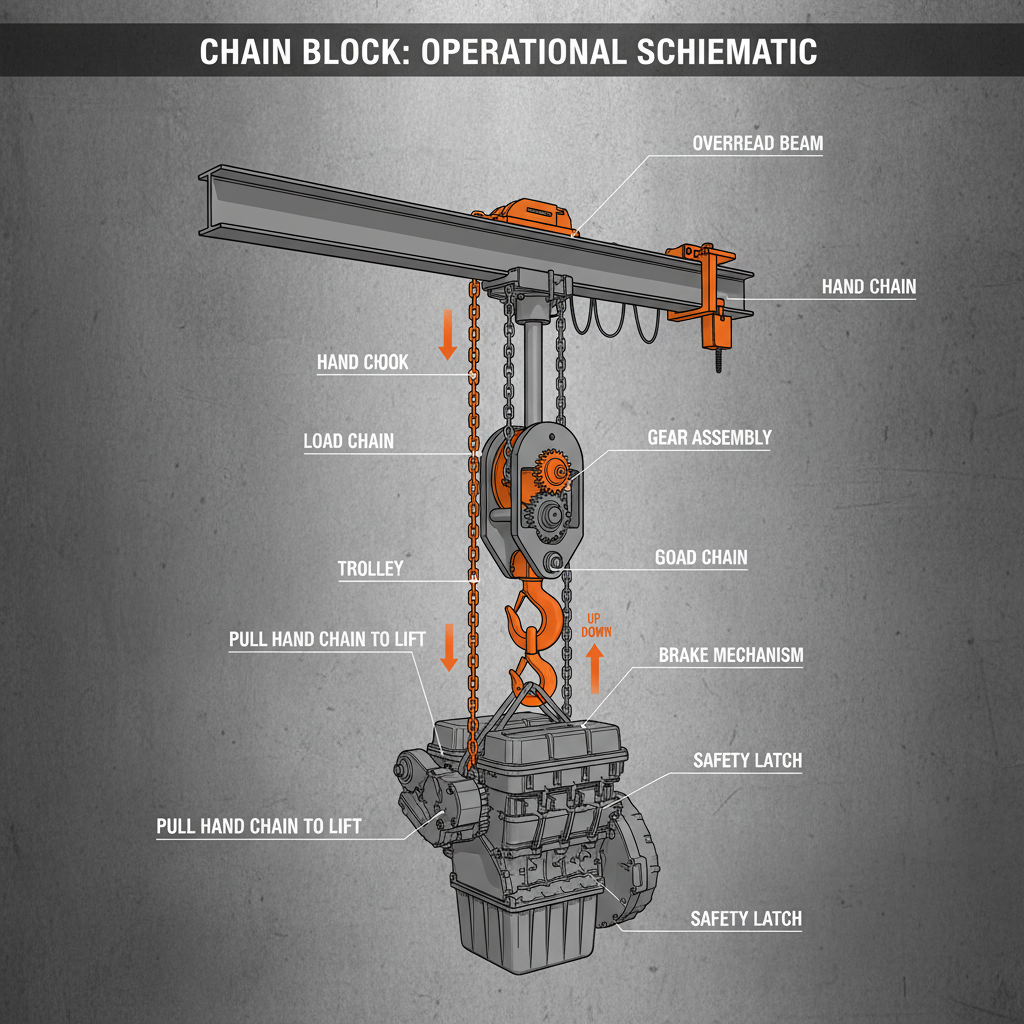
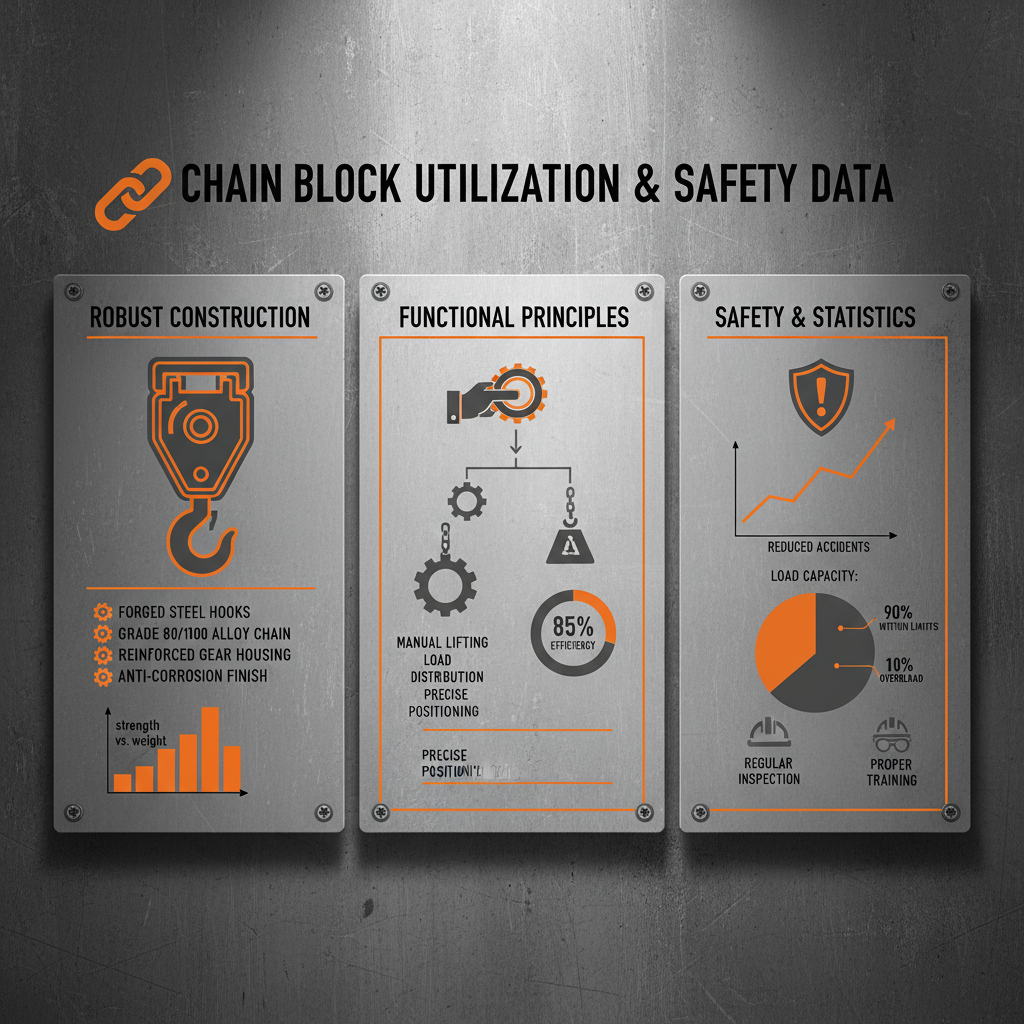
Chain block use involves the application of mechanical advantage to lift or suspend loads, primarily utilizing a chain as the lifting medium. These devices offer a robust and reliable solution for vertical lifting applications, providing controlled movement and precise positioning. Their simplicity and relatively low cost make them a ubiquitous tool in diverse industrial settings.
The effective and safe implementation of chain block use requires a thorough understanding of load capacities, proper rigging techniques, and regular inspection protocols. Incorrect use can lead to equipment failure, material damage, and serious injuries. Therefore, comprehensive training programs and adherence to established safety guidelines are essential for maximizing the benefits of this technology.
The maximum safe working load (SWL) varies significantly depending on the chain block's model, size, and construction. It’s crucial to never exceed the SWL clearly marked on the hoist. Typically, chain blocks range from a few tons to over 100 tons. Always refer to the manufacturer’s specifications and ensure the load doesn’t surpass the rated capacity to prevent equipment failure and potential injury. Proper assessment of the load weight is vital before commencing any lifting operation.
Chain blocks should undergo regular inspections, both pre-operational (before each use) and periodic (at least annually). Pre-operational checks include inspecting the chain for wear, kinks, or damage, testing the brake mechanism, and verifying the hook's condition. Annual inspections should be performed by a qualified person to assess overall functionality, lubrication levels, and structural integrity. Documenting these inspections is also essential.
Key safety precautions include ensuring the chain block is securely mounted, using appropriate slings and rigging gear, avoiding side loading, and never exceeding the SWL. Always keep hands and feet clear of the load path. Operators should be properly trained and certified. Regular maintenance and adherence to manufacturer’s guidelines are crucial. A clear communication system should be in place during lifting operations.
While chain blocks can be used in various environments, exposure to corrosive substances like saltwater or acids can significantly reduce their lifespan and compromise their safety. For corrosive environments, consider using chain blocks specifically designed with corrosion-resistant materials, such as stainless steel or those with protective coatings. Regular cleaning and lubrication are also essential to mitigate corrosion.
Manual chain blocks are operated by pulling on a hand chain, providing incremental lifting control. Electric chain blocks utilize an electric motor to power the lifting mechanism, offering faster and more effortless operation. Electric chain blocks are suitable for high-frequency lifting applications and larger loads, while manual chain blocks are ideal for occasional use and environments without readily available power sources.
Proper lubrication is vital for maintaining chain block performance and extending its lifespan. Use a high-quality lubricant specifically designed for chain blocks, applying it to the chain, gears, and load hook. Avoid using excessive lubricant, as it can attract dirt and debris. Follow the manufacturer's recommendations for lubrication frequency and type of lubricant. Regular lubrication minimizes friction and wear, ensuring smooth operation.
In conclusion, chain block use remains an essential practice across a wide spectrum of industries, offering a reliable, cost-effective, and versatile solution for lifting and material handling. Understanding the core components, adhering to safety protocols, and embracing emerging technologies are crucial for maximizing its benefits. Proper training, regular inspections, and a commitment to preventative maintenance are all fundamental to ensuring safe and efficient operations.
Looking ahead, the continued development of smarter, more sustainable, and more integrated chain block systems will further enhance their role in modern industry. Investing in these advancements and promoting best practices will not only improve operational efficiency but also contribute to a safer and more productive work environment. Visit our website at www.qyjuli.com to learn more about our chain block solutions.



 Afrikaans
 Albanian
 Amharic
 Arabic
 Armenian
 Azerbaijani
 Basque
 Belarusian
 Bengali
 Bosnian
 Bulgarian
 Catalan
 Cebuano
 China
China
 China (Taiwan)
 Corsican
 Croatian
 Czech
Czech
 Danish
 Dutch
Dutch
 Esperanto
 Estonian
 Finnish
 French
 Frisian
 Galician
 Georgian
 German
 Greek
Greek
 Gujarati
 Haitian Creole
 Hausa
Hausa
 Hawaiian
 Hebrew
 Hindi
Hindi
 Miao
Miao
 Hungarian
 Icelandic
 Igbo
Igbo
 Indonesian
 Irish
Irish
 Italian
 Japanese
 Javanese
 Kannada
 Kazakh
 Khmer
Khmer
 Rwandese
 Korean
 Kurdish
 Kyrgyz
 Lao
Lao
 Latin
Latin
 Latvian
 Lithuanian
 Luxembourgish
 Macedonian
 Malgashi
 Malay
Malay
 Malayalam
 Maltese
 Maori
Maori
 Marathi
 Mongolian
 Myanmar
 Nepali
 Norwegian
 Norwegian
 Occitan
 Pashto
 Persian
 Polish
 Portuguese
 Punjabi
 Romanian
 Russian
 Samoan
 Scottish Gaelic
 Serbian
 Sesotho
 Shona
Shona
 Sindhi
 Sinhala
 Slovak
 Slovenian
 Somali
 Spanish
 Sundanese
 Swahili
 Swedish
 Tagalog
 Tajik
Tajik
 Tamil
Tamil
 Tatar
Tatar
 Telugu
 Thai
Thai
 Turkish
 Turkmen
 Ukrainian
 Urdu
Urdu
 Uighur
 Uzbek
Uzbek
 Vietnamese
 Welsh
Welsh
 Bantu
Bantu
 Yiddish
 Yoruba
 Zulu
Zulu
 English