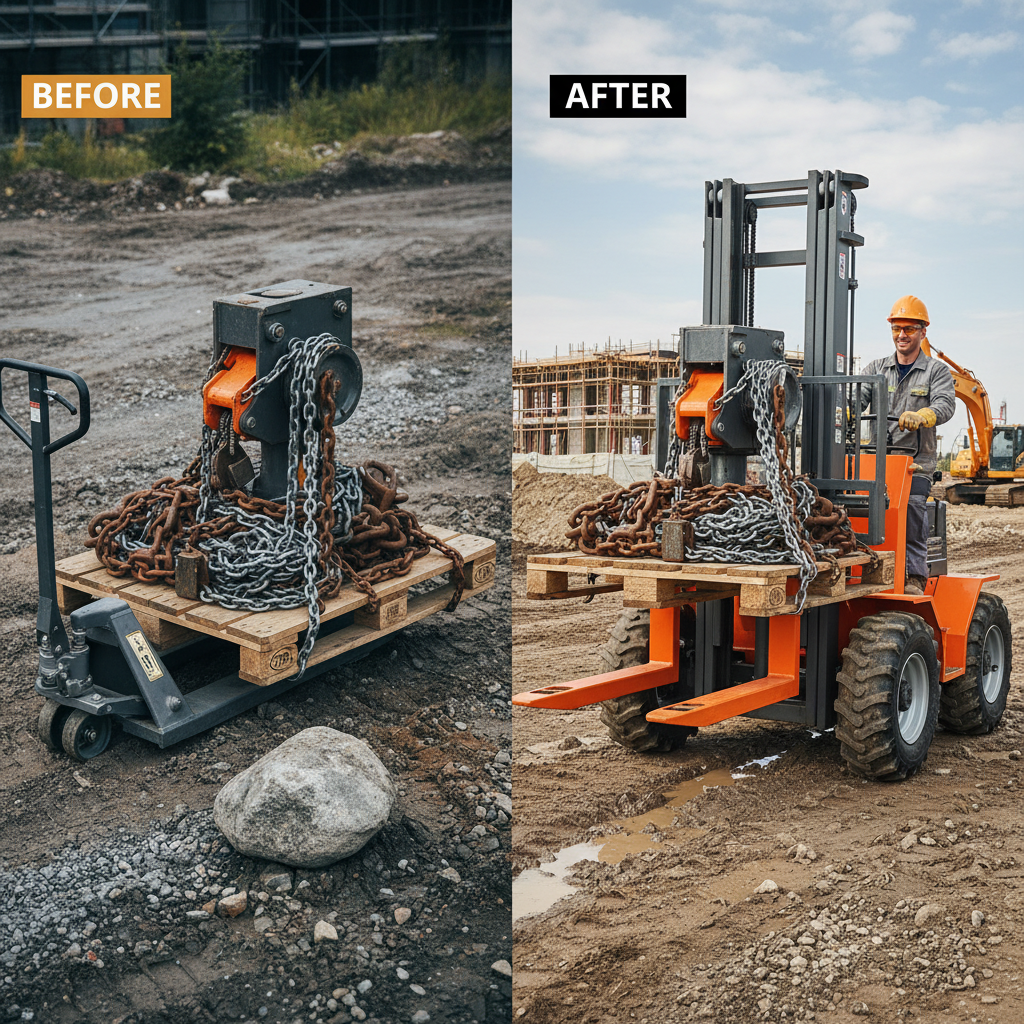


In the fast-paced world of modern logistics and warehousing, the demand for agility and efficiency has never been higher. The portable pallet truck emerges as a critical solution for businesses needing to move heavy loads across varied terrains without the constraints of massive, fixed machinery. By bridging the gap between manual labor and heavy industrial forklifts, these versatile tools optimize the flow of goods in everything from small retail stockrooms to massive distribution centers.
Globally, the shift toward "just-in-time" delivery and the explosion of e-commerce have placed immense pressure on last-mile delivery and internal warehouse movement. Standard heavy lifting equipment often lacks the mobility required for tight aisles or temporary loading zones, leading to bottlenecks and increased workplace fatigue. This is where the strategic implementation of a portable pallet truck provides a competitive edge, reducing transit times and minimizing the physical strain on operators.
Understanding the nuances of these machines—ranging from their hydraulic mechanisms to their ergonomic designs—is essential for any facility manager looking to scale operations. Whether it is enhancing safety protocols or reducing operational overhead, the right choice in material handling equipment can transform a chaotic loading dock into a streamlined hub of productivity.
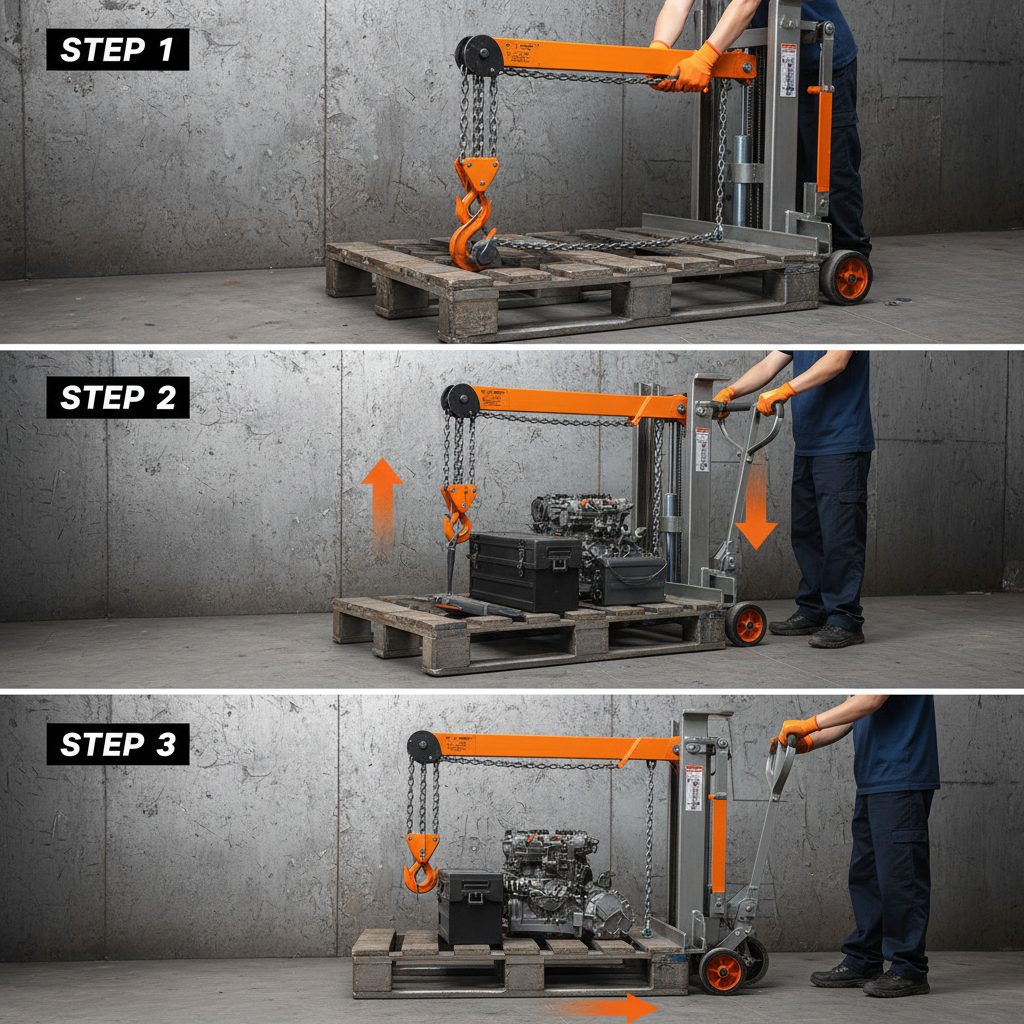
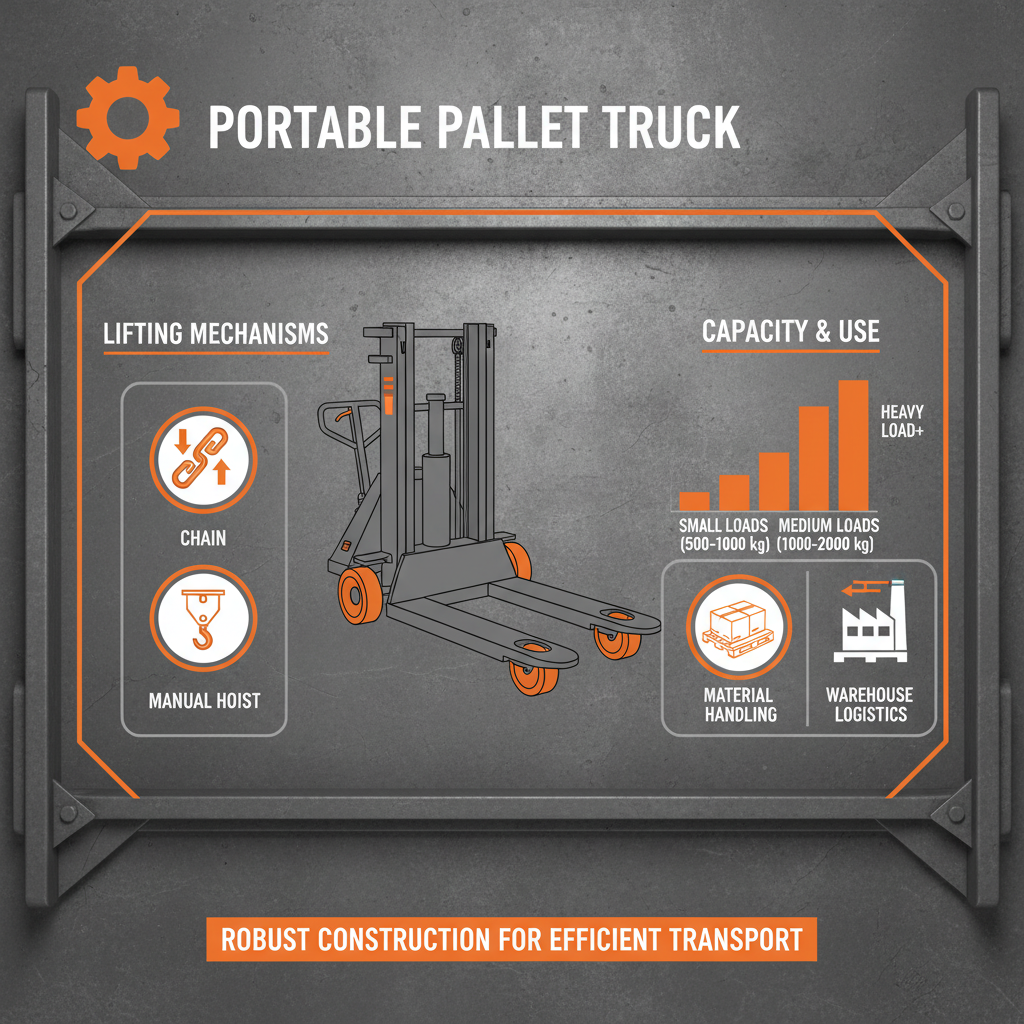
The global supply chain is currently undergoing a massive transformation, with ISO standards increasingly focusing on the ergonomics and safety of material handling. In regions like Southeast Asia and North America, the proliferation of "micro-fulfillment centers" has created a need for equipment that is not only powerful but also compact. A portable pallet truck fits this niche perfectly, allowing for rapid deployment in spaces where a full-sized forklift would be impractical or dangerous.
Industry data suggests that optimizing internal transport can reduce warehouse operational costs by up to 15%. By integrating portable solutions, companies can mitigate the risks of workplace injuries—such as musculoskeletal disorders—which cost the global economy billions annually. The transition toward more flexible, portable lifting solutions reflects a broader industry trend of prioritizing human-centric design alongside mechanical power.
While the terms are often used interchangeably, a portable pallet truck emphasizes mobility and the ability to be moved between different sites or restricted areas. Portable versions are often designed with more compact frames and specialized wheels to handle various floor types, making them more versatile than a standard heavy-duty stationary jack.
Regular maintenance is key. First, ensure the hydraulic oil is topped up and free of contaminants. Second, lubricate the grease nipples on the wheels and chassis every few months. Finally, inspect the forks for any structural cracks or bending, and ensure the handle release lever operates smoothly without sticking.
Yes, but you must choose a model specifically designed for cold environments. These trucks use specialized low-temperature hydraulic oil that won't thicken in the cold and feature galvanized or stainless steel coatings to prevent rust caused by condensation in freezer units.
Most standard portable trucks handle between 2,000kg and 3,000kg. However, you should always choose a truck with a capacity slightly higher than your heaviest consistent load to avoid stressing the hydraulic seals. For light-duty retail, a 1,500kg model may be more maneuverable and sufficient.
Absolutely, if your volume of movement is high. Electric assist reduces operator fatigue by 60-80%, which directly translates to faster cycle times and fewer workplace injuries. For businesses moving more than 20 pallets a day, the productivity gains typically offset the initial investment within a few months.
Polyurethane wheels are best for smooth warehouse floors as they are quiet and don't mark the surface. Nylon wheels are ideal for heavy loads and rougher surfaces because they have lower rolling resistance and higher durability, though they are noisier and can damage delicate floors.
The portable pallet truck stands as an essential pillar of modern material handling, blending mechanical strength with operational flexibility. From its core hydraulic systems to its diverse applications in global logistics and emergency relief, it solves the fundamental challenge of moving heavy loads in constrained spaces. By focusing on durability, ergonomics, and the gradual integration of smart technology, these tools continue to drive efficiency and safety across the industrial spectrum.
Looking ahead, the transition toward sustainable, electric, and AI-enhanced lifting solutions will further revolutionize how we interact with cargo. For business owners and facility managers, the message is clear: investing in high-quality, portable lifting equipment is not just an operational upgrade, but a strategic move toward a more resilient and human-centric supply chain. Enhance your operational flow today by choosing the right tools for the job. Visit our website: www.qyjuli.com



 Afrikaans
 Albanian
 Amharic
 Arabic
 Armenian
 Azerbaijani
 Basque
 Belarusian
 Bengali
 Bosnian
 Bulgarian
 Catalan
 Cebuano
 China
China
 China (Taiwan)
 Corsican
 Croatian
 Czech
Czech
 Danish
 Dutch
Dutch
 Esperanto
 Estonian
 Finnish
 French
 Frisian
 Galician
 Georgian
 German
 Greek
Greek
 Gujarati
 Haitian Creole
 Hausa
Hausa
 Hawaiian
 Hebrew
 Hindi
Hindi
 Miao
Miao
 Hungarian
 Icelandic
 Igbo
Igbo
 Indonesian
 Irish
Irish
 Italian
 Japanese
 Javanese
 Kannada
 Kazakh
 Khmer
Khmer
 Rwandese
 Korean
 Kurdish
 Kyrgyz
 Lao
Lao
 Latin
Latin
 Latvian
 Lithuanian
 Luxembourgish
 Macedonian
 Malgashi
 Malay
Malay
 Malayalam
 Maltese
 Maori
Maori
 Marathi
 Mongolian
 Myanmar
 Nepali
 Norwegian
 Norwegian
 Occitan
 Pashto
 Persian
 Polish
 Portuguese
 Punjabi
 Romanian
 Russian
 Samoan
 Scottish Gaelic
 Serbian
 Sesotho
 Shona
Shona
 Sindhi
 Sinhala
 Slovak
 Slovenian
 Somali
 Spanish
 Sundanese
 Swahili
 Swedish
 Tagalog
 Tajik
Tajik
 Tamil
Tamil
 Tatar
Tatar
 Telugu
 Thai
Thai
 Turkish
 Turkmen
 Ukrainian
 Urdu
Urdu
 Uighur
 Uzbek
Uzbek
 Vietnamese
 Welsh
Welsh
 Bantu
Bantu
 Yiddish
 Yoruba
 Zulu
Zulu
 English