


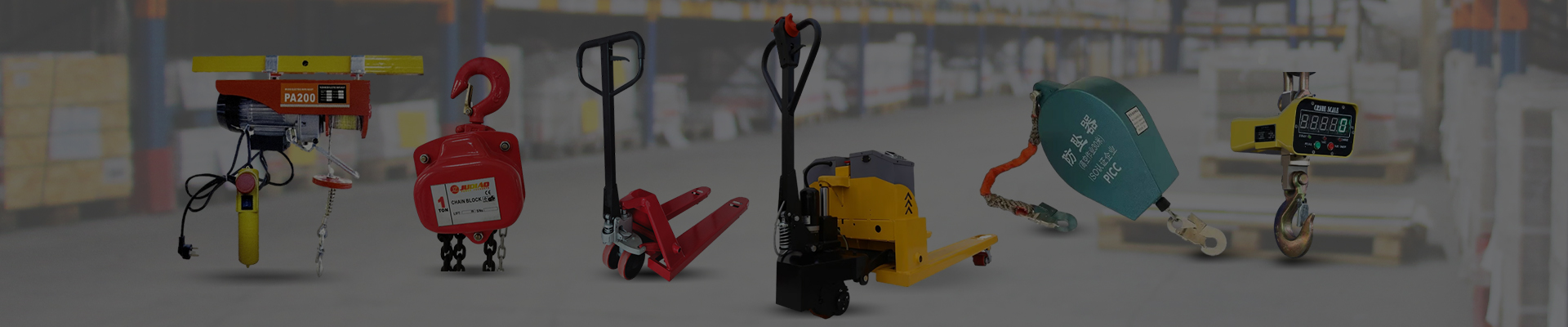
Ever paused to think about the sheer power it takes to lift tons of equipment safely and efficiently at construction sites, factories, or disaster relief zones? That’s where the safelift chain block comes into play. It's a simple yet lifesaving piece of gear that has quietly become indispensable worldwide — enabling heavy lifting with precision, safety, and reliability. As industries grow global and complicated, mastering this tool means smoother operations, fewer accidents, and lower costs. So why exactly does it matter beyond the obvious? Let’s unwrap the layers.
Businesses and humanitarian efforts alike rely on dependable lifting equipment to move heavy materials safely. According to the International Organization for Standardization (ISO), workplace accidents involving manual lifting can cause around 40% of musculoskeletal disorders globally. OSHA data even highlights that lifting heavy loads improperly leads to countless injuries. Amidst this, the safelift chain block emerges as a champion technology, reducing manual strain and improving workflow efficiency.
Additionally, as urbanization and infrastructure projects surge worldwide — especially in developing regions— the demand for durable, cost-effective lifting devices skyrockets. The United Nations Department of Economic and Social Affairs points out that construction and industrial growth brings both opportunities and challenges in safety management. Here, safelift chain blocks play a vital role in bridging those gaps by offering reliable mechanical advantage.
Put simply: a safelift chain block is a manually operated lifting device designed to hoist heavy loads using a system of chains and gears. Think of it as a mechanical muscle that multiplies your lifting power while ensuring safety. The device typically features a hand chain loop that, when pulled, activates an internal gearing system to lift the attached load chain and whatever’s hooked on it.
It’s not just about brute force, though — the “safe” in safelift highlights the design’s emphasis on security features like overload protection, braking mechanisms, and robust construction. These tools are essential for industries ranging from manufacturing and logistics to humanitarian aid projects where reliable, easy-to-use lifting is a must.
Many engineers swear by the lasting power of heavy-duty steel construction and heat-treated gears in these blocks — they’re designed to take abuse and keep going. In harsh environments, durability means fewer replacements and less downtime.
Safelift chain blocks come rated for various capacities, from as light as 500kg up to several tons. The built-in braking systems prevent slipping and sudden drops, ensuring operator safety and load integrity.
Unlike bulky powered hoists, these blocks are lightweight and portable. They require no external power source, so you can use them in remote areas or during emergency relief where electricity might be scarce.
A straightforward mechanical design means easier inspections and repairs. Typical maintenance involves chain lubrication, and routine gear checks keep the block operational for years.
Compared to motorized hoists, safelift chain blocks offer a budget-friendly solution with minimal operating costs — a sweet spot for smaller operations or NGOs on a shoestring.
Across continents, safelift chain blocks lift the unsung weight of progress and relief.
For example, during the 2019 cyclone response in Mozambique, relief teams used chain blocks to lift supplies onto trucks despite minimal infrastructure — a lifeline in chaotic conditions.
The real charm lies not just in lifting heavy loads but in transforming how work gets done safely and sustainably. By reducing human strain, preventing accidents, and delivering reliable operations, these devices build trust and dignity on worksites.
There’s also environmental benefit with no electricity needed and fewer replacement parts over time, which adds up globally. And let’s not forget, many operators develop a kind of tactile relationship with their safelift blocks — it’s old-school tech with a lot of heart.
| Specification | Value |
|---|---|
| Load Capacity | 1 ton (1000 kg) |
| Lift Height | 3 meters |
| Chain Material | Grade 80 Alloy Steel |
| Braking System | Double Pawl Brake |
| Weight | 14.5 kg |
| Finish | Powder-coated paint |
| Feature | Vendor A | Vendor B | Vendor C |
|---|---|---|---|
| Max Load Capacity | 2 tons | 1.5 tons | 3 tons |
| Chain Material | Alloy Steel | Carbon Steel | Heat-treated Alloy Steel |
| Warranty | 3 years | 2 years | 5 years |
| Price Range | $$$ | $$ | $$$$ |
| Notable Feature | Ergonomic hand chain design | Lightweight frame | Enhanced brake system |
Technology doesn’t really stop. Safelift chain blocks are slowly embracing digital transformation — some manufacturers are integrating smart sensors that monitor load stress and usage hours remotely, boosting preventive maintenance. Green manufacturing approaches are also changing how chains and gears are treated, utilizing eco-friendlier coatings and alloys.
Lastly, expect more compact, ergonomic designs in the future. Automation hasn’t replaced manual hoists yet — they feel reliable and simple, which in many safety-critical jobs, trumps bells and whistles.
Despite their many strengths, these blocks can be challenging when it comes to very high capacity or when electric or hydraulic systems might be better suited. Also, improper use or lack of regular maintenance can cause safety hazards — no surprise there.
Industry experts suggest:
In a world racing towards automation and digitization, it’s a little comforting, I suppose, that the trusty safelift chain block remains a backbone of heavy lifting — bridging the gap between power and safety with unpretentious finesse. Its cost efficiency, portability, and reliability add up to something vital across industries and humanitarian fronts. If you want durable, safe lifting solutions that don’t overcomplicate things, this might be your best pick.
Ready to explore more? Visit our website: https://www.qyjuli.com for top-tier safelift chain blocks and expert advice.


 Afrikaans
 Albanian
 Amharic
 Arabic
 Armenian
 Azerbaijani
 Basque
 Belarusian
 Bengali
 Bosnian
 Bulgarian
 Catalan
 Cebuano
 China
China
 China (Taiwan)
 Corsican
 Croatian
 Czech
Czech
 Danish
 Dutch
Dutch
 Esperanto
 Estonian
 Finnish
 French
 Frisian
 Galician
 Georgian
 German
 Greek
Greek
 Gujarati
 Haitian Creole
 Hausa
Hausa
 Hawaiian
 Hebrew
 Hindi
Hindi
 Miao
Miao
 Hungarian
 Icelandic
 Igbo
Igbo
 Indonesian
 Irish
Irish
 Italian
 Japanese
 Javanese
 Kannada
 Kazakh
 Khmer
Khmer
 Rwandese
 Korean
 Kurdish
 Kyrgyz
 Lao
Lao
 Latin
Latin
 Latvian
 Lithuanian
 Luxembourgish
 Macedonian
 Malgashi
 Malay
Malay
 Malayalam
 Maltese
 Maori
Maori
 Marathi
 Mongolian
 Myanmar
 Nepali
 Norwegian
 Norwegian
 Occitan
 Pashto
 Persian
 Polish
 Portuguese
 Punjabi
 Romanian
 Russian
 Samoan
 Scottish Gaelic
 Serbian
 Sesotho
 Shona
Shona
 Sindhi
 Sinhala
 Slovak
 Slovenian
 Somali
 Spanish
 Sundanese
 Swahili
 Swedish
 Tagalog
 Tajik
Tajik
 Tamil
Tamil
 Tatar
Tatar
 Telugu
 Thai
Thai
 Turkish
 Turkmen
 Ukrainian
 Urdu
Urdu
 Uighur
 Uzbek
Uzbek
 Vietnamese
 Welsh
Welsh
 Bantu
Bantu
 Yiddish
 Yoruba
 Zulu
Zulu
 English