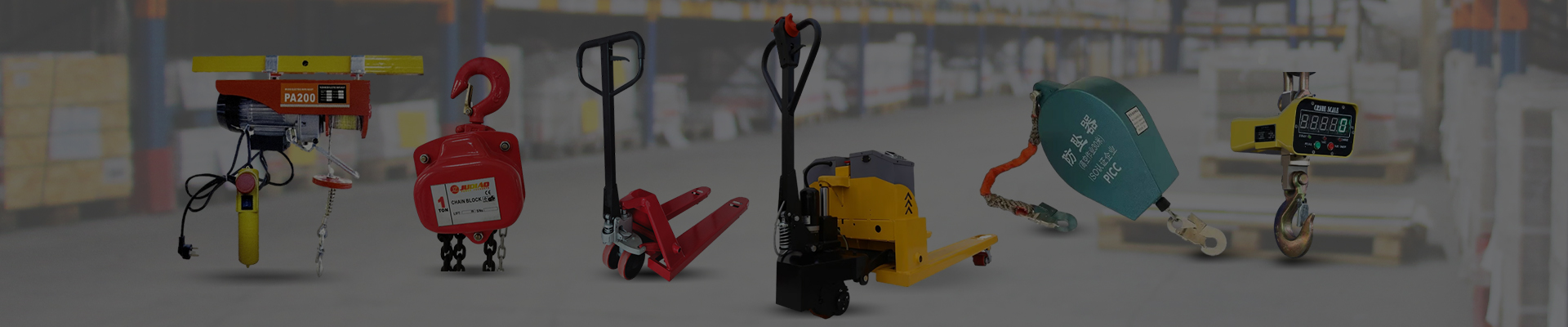


It’s funny how such a compact device like the mini electric hoist 500 kg quietly plays a critical role across industries worldwide. In an era where efficiency and safety are paramount, this piece of equipment solves some quite sticky challenges in material handling. But what exactly is it? And why consider it seriously when traditional manual or larger hoists seem like obvious choices?
In short, a mini electric hoist rated for 500 kilograms offers a nimble, reliable way to lift moderately heavy loads without the bulk, expense, or complexity of bigger machines. Used on construction sites, warehouses, shipping yards, and even humanitarian missions, these hoists keep things moving smoothly. By understanding their key features, global relevance, and future trends, businesses can unlock both cost savings and operational improvements.
It’s not immediately obvious, but lifting and moving heavy loads safely is a task with surprisingly broad impact. According to the International Labour Organization’s reports, workplace injuries from manual material handling cause billions in lost productivity annually across developing and developed countries alike. Considering that small and medium enterprises make up over 90% of businesses globally (World Bank), widespread tools like the mini electric hoist 500 kg have a major role in enhancing safety and efficiency.
Furthermore, organizations such as ISO have developed standards ensuring these hoists meet strict quality benchmarks — highlighting how seriously this “small” equipment is taken worldwide. Yet challenges remain: how to make such devices affordable, portable, and reliable in sectors as diverse as mining, agriculture, and disaster relief? This is where the mini electric hoist bridges practical needs with emerging solutions.
Simply put, a mini electric hoist 500 kg is a compact mechanical lifting device powered by electricity, capable of safely hoisting loads up to 500 kilograms (approximately 1100 pounds). Unlike manual hoists that rely on physical strength, electric models use motors and gear systems, offering smoother, faster, and safer lifting movements.
In modern industry, they are prized for their portability and ease of use, fitting on cranes, scaffoldings, or trolleys. For humanitarian groups, such hoists enable rapid deployment in emergency zones, where lifting equipment must be reliable yet nimble. Oddly enough, these hoists embody both cutting-edge tech and timeless engineering principles.
Mini takeaway: The careful design of these hoists balances power with safety, portability, and energy use — an engineering dance that’s critical in real-world jobs.
Mini electric hoists rated at 500 kg shine in a surprising variety of environments. For example:
Honestly, it’s a versatile device, well-suited for any setting needing controlled lifting without the fuss of massive gear.
| Specification | Detail |
|---|---|
| Rated Load Capacity | 500 kg (1100 lbs) |
| Lifting Height | 12 meters |
| Power Supply | 220V / 50Hz single-phase |
| Speed | 8 m/min (lifting) |
| Weight | 19 kg |
| Control | Wired remote & wireless options available |
Before buying a mini electric hoist 500 kg, it’s wise to look beyond specifications alone. Vendor reliability, after-sales support, and price-performance ratio matter — sometimes even more. So, I put together a quick comparison of three well-known suppliers in the field.
| Brand | Warranty | After-Sales Service | Typical Price Range (USD) | Best Known For |
|---|---|---|---|---|
| HoistPro | 2 Years | Global network, 24/7 support | $550 - $700 | Reliable performance, ergonomic design |
| LiftEase | 1 Year | Regional offices, tutorial resources | $450 - $600 | Cost-effective, lightweight builds |
| PowerHoist | 3 Years | On-site maintenance, training programs | $600 - $800 | Durability & custom options |
When you dig into it, the benefits provided by a mini electric hoist 500 kg go well beyond simple lifting. Many operators highlight improved workplace safety — fewer injuries and less fatigue — which happens to reduce insurance and compensation costs. Plus, the machines’ portability means you save time on setup, which translates directly into more productive hours.
Long-term, companies often find these hoists are more sustainable and cost-effective compared to diesel or crane solutions — a big plus as global industries increasingly focus on environmental footprints. On a human level, having dependable equipment builds trust among workers and clients alike, creating an atmosphere of confidence and professionalism.
It’s fascinating to see how mini electric hoists are evolving. Automation is creeping in, with models offering IoT connectivity to monitor usage, predict maintenance needs, and optimize energy use. Smart materials that resist corrosion or damage might soon replace traditional chains or cables, pushing durability even further.
Renewable energy integration is on the radar too — solar or battery-powered hoists could transform work in remote areas without grid access. These developments promise a whole new wave of convenience and sustainability, making the “mini” moniker feel somewhat ironic.
Of course, these hoists aren’t magic. Sometimes they encounter limits in extreme weather, or their power source can be unreliable in remote zones. Plus, operator training is crucial — a good machine isn’t immune to misuse.
Experts recommend thorough on-site assessments before purchase and emphasize partnerships with vendors offering strong after-sales service. Customized solutions that factor in regional conditions help overcome common pitfalls, making sure the hoist stands the test of time and task.
At first glance, “mini electric hoist 500 kg” might sound like just another piece of industrial gear. But look closer and you see a potent blend of engineering, safety, and smart design that supports everything from efficiency gains to workplace well-being. Naturally, picking the right model and supplier can be daunting, but armed with solid specs, trusted brands, and clear maintenance plans, you get reliable, lasting value.
If you’re ready to explore quality options and see how a mini electric hoist 500 kg can streamline your operations or projects, visit our website at https://www.qyjuli.com. Because sometimes, small devices make the biggest difference.


 Afrikaans
 Albanian
 Amharic
 Arabic
 Armenian
 Azerbaijani
 Basque
 Belarusian
 Bengali
 Bosnian
 Bulgarian
 Catalan
 Cebuano
 China
China
 China (Taiwan)
 Corsican
 Croatian
 Czech
Czech
 Danish
 Dutch
Dutch
 Esperanto
 Estonian
 Finnish
 French
 Frisian
 Galician
 Georgian
 German
 Greek
Greek
 Gujarati
 Haitian Creole
 Hausa
Hausa
 Hawaiian
 Hebrew
 Hindi
Hindi
 Miao
Miao
 Hungarian
 Icelandic
 Igbo
Igbo
 Indonesian
 Irish
Irish
 Italian
 Japanese
 Javanese
 Kannada
 Kazakh
 Khmer
Khmer
 Rwandese
 Korean
 Kurdish
 Kyrgyz
 Lao
Lao
 Latin
Latin
 Latvian
 Lithuanian
 Luxembourgish
 Macedonian
 Malgashi
 Malay
Malay
 Malayalam
 Maltese
 Maori
Maori
 Marathi
 Mongolian
 Myanmar
 Nepali
 Norwegian
 Norwegian
 Occitan
 Pashto
 Persian
 Polish
 Portuguese
 Punjabi
 Romanian
 Russian
 Samoan
 Scottish Gaelic
 Serbian
 Sesotho
 Shona
Shona
 Sindhi
 Sinhala
 Slovak
 Slovenian
 Somali
 Spanish
 Sundanese
 Swahili
 Swedish
 Tagalog
 Tajik
Tajik
 Tamil
Tamil
 Tatar
Tatar
 Telugu
 Thai
Thai
 Turkish
 Turkmen
 Ukrainian
 Urdu
Urdu
 Uighur
 Uzbek
Uzbek
 Vietnamese
 Welsh
Welsh
 Bantu
Bantu
 Yiddish
 Yoruba
 Zulu
Zulu
 English