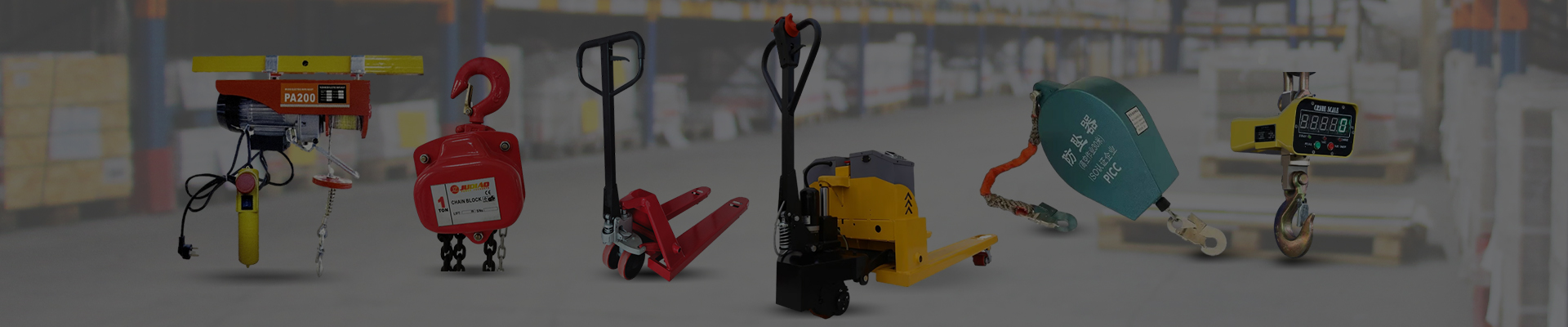


In a world increasingly reliant on efficient, compact lifting solutions, the pa600 micro electric rope hoist has quietly become a workhorse across many industries. Its small footprint combined with surprising power addresses challenges both on factory floors and remote work sites alike. Globally, industries are striving to move heavier loads faster while minimizing safety risks and environmental impact, and this little device ticks those boxes in compelling ways.
Why the fascination? Well, according to some recent International Organization for Standardization (ISO) surveys, mini hoists like the PA600 are leading a new wave of industrial versatility — especially in emerging markets with limited workspace or infrastructure. Plus, in humanitarian contexts, such as disaster relief zones, compact hoists make heavy lifting precisely where traditional cranes or bulky equipment just won’t fit.
Mini takeaway: The PA600 micro electric rope hoist is not just a tool; it’s a strategic asset redefining how we handle lifting challenges worldwide.
Put simply, the PA600 micro electric rope hoist is a compact electric lifting device designed to raise and lower heavy payloads using a steel wire rope system. Unlike bulky cranes or chain hoists, it’s engineered for tight spaces, often found in factories, shipyards, construction zones, and even remote humanitarian operations.
The “PA600” designation generally indicates a lifting capacity in the 600-kilogram range — roughly 1,300 pounds — making it suitable for loads that are substantial yet require precision handling. This hoist connects the dots between rugged industrial demands and modern digital control systems, often integrating with remote operation or automation setups. For industries adapting to lean manufacturing or just-in-time delivery, this means safer, faster, and more ergonomic lifting with less manual labor.
Mini takeaway: Think of the PA600 micro electric rope hoist as a nimble, precise, and safety-focused solution for medium-duty lifting tasks.
The PA600 is typically forged from high-strength alloy steel with corrosion-resistant coatings, adapting well to harsh environments. Many units are rated IP54 or better, offering good protection from dust and water.
Its small form factor lets operators install it in tight industrial spaces or on mobile rigs where large cranes are impractical. Sometimes engineers describe it as the “Swiss Army knife” of hoists due to its flexible deployment options.
Advanced models come with electronic limit switches, overload protection, and user-friendly pendant controls or even wireless remote control, reducing risk of accidents significantly.
Modern PA600 hoists often feature efficient electric motors that comply with energy regulations, helping companies cut operational costs and carbon footprint.
Components are designed for easy inspection and replacement, which keeps downtime minimal — a big win in fast-paced industrial environments.
| Feature | Specification | Benefit |
|---|---|---|
| Maximum Load | 600 kg (1322 lbs) | Ideal for medium-weight lifting jobs |
| Motor Power | 1.5 kW | Efficient, low energy use |
| Lifting Speed | Up to 8 m/min | Balances speed with load safety |
| Wire Rope Diameter | 6 mm | Compact but strong cable for durability |
| Protection Level | IP54 | Dust and water resistance for harsh sites |
Mini takeaway: With durability and precision front and center, the PA600 micro electric rope hoist is built to perform reliably in diverse settings.
This compact powerhouse has been adopted widely across Asia and Europe’s manufacturing sectors, especially in countries where space is premium, like Japan and South Korea. In the mining industry of Australia and South Africa, these hoists support precise material handling underground where conventional cranes simply can’t operate.
Interestingly, aid organizations often deploy PA600 units in post-disaster zones. The pa600 micro electric rope hoist helps expedite building reconstruction by safely elevating heavy building materials in tight urban rubble. Similarly, small marine yards in Northern Europe use it to hoist boat engines or bulky parts during repair, avoiding cumbersome, expensive overhead cranes.
Mini takeaway: Whether you’re rebuilding a community or running a precision factory line, the PA600’s versatility shines worldwide.
It’s not just about lifting loads; it’s about lifting performance standards. Organizations adopting these hoists report reduced workplace injuries due to less manual handling, decreased downtime thanks to easy maintenance, and the freedom to fit lifting rigs into previously unusable spaces.
From an environmental perspective, the energy-efficient motors conform to green standards, which is crucial as factories target net-zero emissions. Add emotionally to that the sense of trust workers develop so they can focus more on their craft and less on heavy lifting fears — all while management gains efficiency.
Looking ahead, the PA600 hoist is evolving with smart sensors and IoT connectivity — the kind that allows remote monitoring of wear and tear or predictive maintenance alerts to save downtime. Manufacturers are also exploring carbon-fiber ropes replacing steel wire to reduce weight further and improve durability under certain conditions.
Automation integration is another exciting frontier, where these hoists pair with robotic arms or automated guided vehicles (AGVs) to create flexible assembly lines or remote operations — increasingly critical in hazardous environments or where Covid-era distancing protocols remain.
Of course, compactness comes with trade-offs. The biggest challenge is limited lifting capacity — if the job demands over 1 ton, PA600 variants might fall short. Also, wire ropes require vigilant inspection to avoid failures, which means training operators appropriately is essential.
Innovative manufacturers now offer modular designs — allowing users to swap cable lengths or motors for slightly larger capacities without switching brands or entire systems. Training programs are becoming more interactive with VR-based lesson plans to enhance safety and proficiency.
| Vendor | Lifting Capacity | Control Options | Warranty | Global Support |
|---|---|---|---|---|
| QYJULI | 600 kg | Wired/Wireless Remote | 24 months | Yes (Worldwide) |
| LiftMaster Co. | 550 kg | Wired Remote Only | 18 months | Limited |
| TechHoist Ltd. | 620 kg | Wireless Remote +/- App Control | 12 months | Regional |
Look for hoists certified under ISO 12100 (Safety of Machinery) and CE marking for conformity with EU standards. Also, check for overload protection and emergency stop features.
A thorough inspection should happen monthly or per operational hours specified by the manufacturer. Replace immediately if there are visible frays, corrosion, or broken strands to avoid disaster.
Yes, most models rated IP54 or higher are designed for moderate exposure to dust and water. However, continuous harsh weather might require additional protective covers.
Not at all. The PA600’s compact design and sometimes modular components make it quite straightforward to install with basic mechanical skills—manufacturers often supply detailed manuals and in some cases remote setup assistance.
PA600 models are generally more affordable upfront and cost-effective over time due to lower energy consumption and simpler maintenance, making them ideal for businesses scaling gradually.
Clearly, the pa600 micro electric rope hoist offers a blend of precision, power, and portability that few other lifting devices can match. Its global adaptability across industries and emergency scenarios marks it as a pivotal tool for modern operations. If you’re weighing options for a new lifting solution, it’s definitely worth a closer look.
Want to explore your options and see the PA600 in action? Visit our website at https://www.qyjuli.com and discover how this compact hoist can change your lifting game.
References:


 Afrikaans
 Albanian
 Amharic
 Arabic
 Armenian
 Azerbaijani
 Basque
 Belarusian
 Bengali
 Bosnian
 Bulgarian
 Catalan
 Cebuano
 China
China
 China (Taiwan)
 Corsican
 Croatian
 Czech
Czech
 Danish
 Dutch
Dutch
 Esperanto
 Estonian
 Finnish
 French
 Frisian
 Galician
 Georgian
 German
 Greek
Greek
 Gujarati
 Haitian Creole
 Hausa
Hausa
 Hawaiian
 Hebrew
 Hindi
Hindi
 Miao
Miao
 Hungarian
 Icelandic
 Igbo
Igbo
 Indonesian
 Irish
Irish
 Italian
 Japanese
 Javanese
 Kannada
 Kazakh
 Khmer
Khmer
 Rwandese
 Korean
 Kurdish
 Kyrgyz
 Lao
Lao
 Latin
Latin
 Latvian
 Lithuanian
 Luxembourgish
 Macedonian
 Malgashi
 Malay
Malay
 Malayalam
 Maltese
 Maori
Maori
 Marathi
 Mongolian
 Myanmar
 Nepali
 Norwegian
 Norwegian
 Occitan
 Pashto
 Persian
 Polish
 Portuguese
 Punjabi
 Romanian
 Russian
 Samoan
 Scottish Gaelic
 Serbian
 Sesotho
 Shona
Shona
 Sindhi
 Sinhala
 Slovak
 Slovenian
 Somali
 Spanish
 Sundanese
 Swahili
 Swedish
 Tagalog
 Tajik
Tajik
 Tamil
Tamil
 Tatar
Tatar
 Telugu
 Thai
Thai
 Turkish
 Turkmen
 Ukrainian
 Urdu
Urdu
 Uighur
 Uzbek
Uzbek
 Vietnamese
 Welsh
Welsh
 Bantu
Bantu
 Yiddish
 Yoruba
 Zulu
Zulu
 English