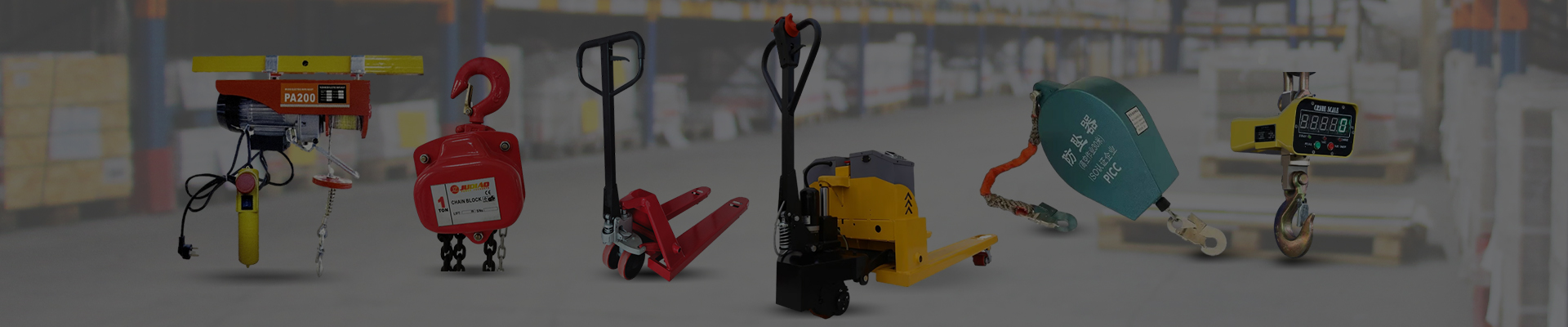


At first glance, a mini electric hoist 100kg might seem like just a handy gadget for lifting light loads. But when you zoom out, it’s clear this tool plays a surprisingly large role in global industries—think construction sites, warehouses, humanitarian relief efforts, and even remote industrial outposts. Understanding what makes these petite powerhouses tick can open new doors to efficiency, safety, and cost savings worldwide.
Whether you're a contractor, logistics manager, or NGO worker, delving into the why and how of mini hoists offers insights into a niche yet indispensable technology that’s quietly powering progress.
Handling loads up to 100 kilograms, these mini electric hoists pack convenience in a compact frame. According to the International Organization for Standardization (ISO), lifting equipment-related injuries remain a concern across sectors worldwide—so tools that improve safety and ergonomics are vital.1
From bustling ports in Asia to small manufacturing hubs in Africa, labor-saving devices like the mini electric hoist help reduce physical strain, improve workflow, and speed up projects. The World Bank estimates that improving workplace safety and productivity can increase economic returns by up to 15% in developing regions.2 Sure, it’s just a small hoist, but globally, these add up.
The challenge? Many places still rely on manual lifting or bulky machinery that can’t flexibly serve small-scale or quick-turn tasks. Mini electric hoists fill this gap neatly.
So, what is a mini electric hoist 100kg in the simplest terms? At its core, it’s an electrically powered device designed specifically to lift loads weighing up to 100 kilograms. Often portable, these are small but sturdy units that combine a motor, wire rope or chain, and control systems to raise, lower, and hold goods with precision.
They’re invaluable for modern industries that demand flexibility without sacrificing load capacity—notably in limited space environments where conventional cranes or hoists would be too bulky or slow.
These hoists are lightweight and easily transported—sometimes just a few kilograms themselves. This compactness means you can carry them between sites or install them quickly on temporary overhead beams, making them crucial for fieldwork or fluctuating workflows.
Rated to lift up to 100kg, they balance strength with safety. Often equipped with overload protection systems, automatic brakes, and emergency stop switches, these features prevent accidents while giving operators peace of mind.
Many mini electric hoists run on standard AC or DC electric power, with options for battery-operated portability. Remote control units or wired pendant controls provide precise, hands-free operation.
Made from corrosion-resistant steel or alloys, these hoists often withstand harsh industrial environments. Regular maintenance involves rope inspection and motor servicing, which are usually simple tasks thanks to accessible designs.
Put simply, mini electric hoists are thoughtfully engineered tools designed for agile and efficient lifting tasks, blending safety, compactness, and versatility.
You might be surprised just how widely mini electric hoists are employed:
These diverse scenarios illustrate how crucial the mini electric hoist 100kg is not just in big industrial hubs but also in off-the-grid or temporary setups.
The benefits are not just about lifting; they ripple through broader economic and social layers:
Emotionally, workers often report a sense of dignity being protected thanks to ergonomic lifting aids — a subtle but important human factor.
| Feature | Specification |
|---|---|
| Load Capacity | 100 kg (220 lbs) |
| Lifting Height | 6 meters (standard) |
| Power Supply | 220V AC / 110V AC / Battery options |
| Control | Wired remote or wireless control |
| Material | Steel alloy with corrosion resistance |
| Safety Features | Overload protection, brake system, emergency stop |
| Weight | Approx. 10–15 kg |
| Brand | Price Range | Portability | Key Features | Warranty |
|---|---|---|---|---|
| QuickLift Pro | $280 - $350 | Highly portable (10kg) | Remote control, overload protection, steel wire rope | 2 years |
| LiftEase Compact | $320 - $400 | Moderate (14kg) | Battery-powered option, wireless remote | 3 years |
| HoistMax Mini | $250 - $300 | Portable (12kg) | Wired remote control, emergency stop, affordable | 1 year |
Oddly enough, mini electric hoists—while “mini”—are evolving quickly. The push towards greener operations sees many brands incorporating lithium-ion batteries for longer runtimes and zero emissions.3
On the digital front, IoT integration and smart sensors for load monitoring and predictive maintenance are gaining traction. Imagine your hoist sending alerts before a fault arises—preventing downtime and costly repairs.
Durable, lightweight composite materials will likely make models even easier to carry, while modular designs could allow users to customize lifting capacities on the fly. The automation revolution is hinting at semi-autonomous mini hoists, controlled via smartphone apps or integrated into broader warehouse management systems.
Despite their charm, mini electric hoists face some issues — battery life can be a bottleneck for wireless models, and varying voltage standards across countries complicate universal deployment. Also, some users report difficulty operating these hoists in extremely dusty or wet environments.
Innovative engineers recommend adopting ruggedized hoists with sealed motors and offering multi-voltage adapters. Training operators on proper use and maintenance remains crucial, and suppliers increasingly provide robust aftersales support. In a way, it feels like solving a puzzle where each piece counts.
Typically, installation is straightforward and designed for quick setup. Most units come with mounting brackets compatible with standard I-beams or overhead rails. Tools and manuals included usually guide even novices through the process within an hour, ensuring minimal downtime.
Yes, but it depends on the model. Many are rated for outdoor use with weather-resistant coatings and sealed controls, but it's wise to check IP ratings and avoid operation during heavy rain or corrosive environments unless specially equipped.
Basic maintenance includes regular inspection of ropes or chains for wear, lubrication of moving parts as recommended, and periodic testing of electrical components. Following the manufacturer’s service intervals helps extend lifespan and maintain safety.
Mini electric hoists reduce manual labor and improve speed and precision of lifting. They are safer for repetitive tasks but come at a higher price point and require electrical power. Manual hoists remain popular in low-budget or power-scarce environments.
Yes, many countries follow international safety standards like ISO 9927 for maintenance of lifting equipment. Importers should ensure compliance with local electrical and safety codes and obtain certification where necessary.
Small but significant—a mini electric hoist 100kg hovers at the intersection of convenience, safety, and efficiency. Their adaptability to various industries and environments makes them a smart long-term investment, especially as the globe leans into automation and eco-conscious solutions.
If you’re considering one for your next project, remember that beyond the specs lies a tool that can save time, reduce injuries, and bring new workflow possibilities. For the latest in quality mini hoists, check out our selection and learn more at https://www.qyjuli.com.


 Afrikaans
 Albanian
 Amharic
 Arabic
 Armenian
 Azerbaijani
 Basque
 Belarusian
 Bengali
 Bosnian
 Bulgarian
 Catalan
 Cebuano
 China
China
 China (Taiwan)
 Corsican
 Croatian
 Czech
Czech
 Danish
 Dutch
Dutch
 Esperanto
 Estonian
 Finnish
 French
 Frisian
 Galician
 Georgian
 German
 Greek
Greek
 Gujarati
 Haitian Creole
 Hausa
Hausa
 Hawaiian
 Hebrew
 Hindi
Hindi
 Miao
Miao
 Hungarian
 Icelandic
 Igbo
Igbo
 Indonesian
 Irish
Irish
 Italian
 Japanese
 Javanese
 Kannada
 Kazakh
 Khmer
Khmer
 Rwandese
 Korean
 Kurdish
 Kyrgyz
 Lao
Lao
 Latin
Latin
 Latvian
 Lithuanian
 Luxembourgish
 Macedonian
 Malgashi
 Malay
Malay
 Malayalam
 Maltese
 Maori
Maori
 Marathi
 Mongolian
 Myanmar
 Nepali
 Norwegian
 Norwegian
 Occitan
 Pashto
 Persian
 Polish
 Portuguese
 Punjabi
 Romanian
 Russian
 Samoan
 Scottish Gaelic
 Serbian
 Sesotho
 Shona
Shona
 Sindhi
 Sinhala
 Slovak
 Slovenian
 Somali
 Spanish
 Sundanese
 Swahili
 Swedish
 Tagalog
 Tajik
Tajik
 Tamil
Tamil
 Tatar
Tatar
 Telugu
 Thai
Thai
 Turkish
 Turkmen
 Ukrainian
 Urdu
Urdu
 Uighur
 Uzbek
Uzbek
 Vietnamese
 Welsh
Welsh
 Bantu
Bantu
 Yiddish
 Yoruba
 Zulu
Zulu
 English