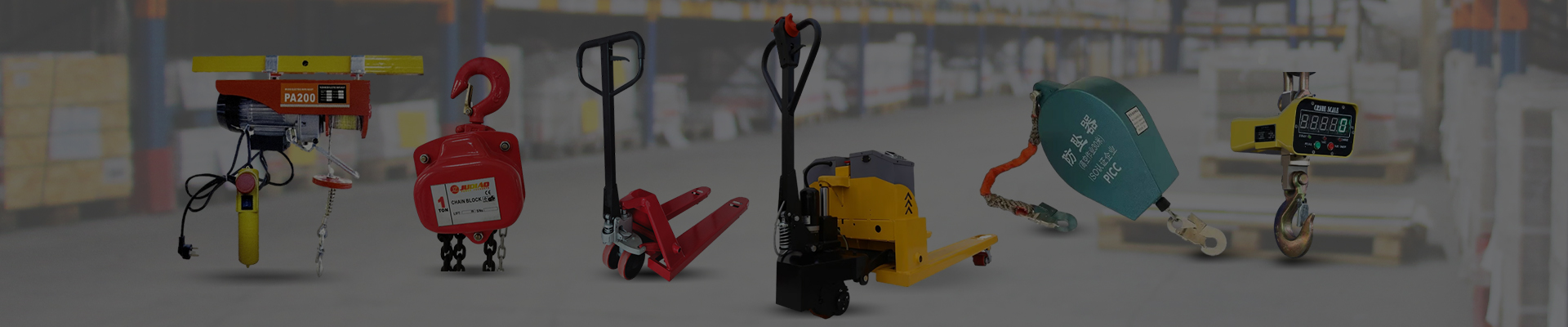


Chain block lifting might sound like just another technical term in the realm of industrial tools, but its impact stretches well beyond factory floors and construction sites. Essentially, chain blocks are manual or motorized hoists that use a chain to lift or lower heavy loads, crucial where safety, precision, and reliability are non-negotiable. Globally, industries and humanitarian sectors rely on the efficient function of chain block lifting—a reminder that even the most rugged, old-school tech can play an outsized role in keeping our infrastructure moving and disaster relief efforts timely.
Why bother understanding it thoroughly? Because knowing the nuances can make all the difference between a smooth operation and costly downtime or injury. Plus, as sustainability and automation creep into all corners of manufacturing and logistics, tools like chain blocks are evolving too.
Mini takeaway: Chain block lifting isn’t just about brute strength; it’s a linchpin technology holding up industry and aid worldwide.
Take a moment and think about global logistics, construction, and emergency response — sectors underpinning much of modern life and progress. According to the International Labour Organization, over 2.3 million fatal work-related accidents occur worldwide annually, many linked to lifting operations. Here, chain block lifting enters the scene as a critical safety device. The ISO 7593:2003 standard helps ensure chain hoists meet global safety guidelines, subtly nudging countries toward safer industrial environments.
The World Bank estimates infrastructure investments at trillions of dollars yearly; efficient lifting gear like chain blocks can reduce downtime, enabling billions of dollars’ worth of machinery and materials to be moved or installed more safely and swiftly. Yet, challenges persist: outdated equipment and lack of adequate training remain a global bottleneck.
Mini takeaway: Chain block lifting's relevance is underscored by serious global safety stats and massive economic stakes.
Keeping it simple: a chain block is a device that uses a looped chain system and gear mechanism to manually or electrically lift heavy loads vertically. Think of it like a heavy-duty pulley with teeth, designed to multiply human strength and deliver controlled lifting. It’s a reliable workhorse in factories, shipyards, and even disaster zones where electricity might not be readily available.
Its connection to modern needs is direct. Whether you’re assembling heavy engines in an automotive plant or setting up emergency medical equipment after a natural disaster, chain blocks provide the muscle and precision that machines or manpower alone sometimes cannot.
Chain blocks face rugged environments: dirt, moisture, even salt spray in marine settings. That’s why high tensile alloy steel and corrosion-resistant finishes dominate. Durability not only means longer service life but also fewer replacements — which is critical when resources are tight.
They come in various weight ratings — from as light as 0.5 tons to over 20 tons. Choosing the right capacity is crucial; too large and you add unnecessary weight and cost, too small, and risk failure.
Manual chain blocks must balance strength with manageable effort. Smooth, ergonomic chain pulls and well-designed brakes help operators handle heavy loads safely and without fatigue.
Reliable braking systems, overload protection, and certifications ensure safe operation. Since many injuries come from chain block misuse or failure, these features are more than bells and whistles.
Routine inspections, lubrications, and load tests uphold safety and performance. Many organizations follow ISO or OSHA guidelines to keep chain blocks reliable over years.
Affordable upfront costs combined with durability make chain blocks an economical lifting solution, especially in developing regions or small businesses.
Mini takeaway: You can’t just buy any chain block; considering these factors helps you pick the right tool for efficient, safe lifting.
Chain block lifting is everywhere — sometimes in the background, but absolutely critical on the job. In Southeast Asia’s construction boom, manual chain blocks are often the go-to due to intermittent power supplies. They help erect steel frames or move bulky gear in tight urban sites.
In post-disaster relief operations, NGOs depend on portable chain blocks to unload and move supplies where cranes simply cannot reach — in flooded or rubble-strewn zones. For example, after the 2015 Nepal earthquake, lightweight chain blocks facilitated rebuilding in remote areas.
Heavy industries such as shipbuilding and mining in countries like Australia and Canada use motorized chain blocks integrated with digital monitoring for precision and safety, modernizing old lifting methods. Farmers and artisans in Africa also rely on simple chain blocks to lift heavy equipment safely.
| Feature | Specification |
|---|---|
| Load Capacity | 0.5 to 20 tons |
| Chain Material | Alloy steel, galvanized or stainless |
| Braking System | Load-holding mechanical brake |
| Operation Type | Manual or electric motorized |
| Compliance | ISO 7593:2003, CE certified |
| Weight | Varies by capacity, approx. 10–80 kg |
| Vendor | Load Range (tons) | Price Range | Notable Features |
|---|---|---|---|
| Kito | 0.5 - 10 | $400 - $2,500 | Ergonomic design, rugged durability |
| Harrington | 0.5 - 20 | $350 - $3,200 | Heavy-duty, overload protection |
| CM (Columbus McKinnon) | 0.5 - 10 | $380 - $2,800 | Reliable braking system, CE certified |
| Yale | 1 - 20 | $420 - $3,100 | Robust with optional electric models |
Chain block lifting is often lauded for blending safety with cost-effectiveness. It’s not just the dollars saved on buying a rugged, low-maintenance device — the peace of mind that comes with predictable, tested reliability is priceless. For workers, safer handling and reduced fatigue translate into fewer injuries and increased trust from employers.
Plus, from a sustainability standpoint, these devices are simple, frequently repairable, and often built to last decades. Compared to complex machinery, they require less energy and raw materials to operate and maintain. Many NGOs also favor them because manual versions can function without electricity, crucial in remote or disaster-stricken regions.
Oddly enough, even a device as seemingly straightforward as a chain block is not immune to innovation. Smart sensors are being integrated with chain blocks to monitor load pressure, frequency of use, and wear, providing maintenance alerts before a failure occurs. This digital transformation ties right into Industry 4.0’s bigger goals of predictive maintenance and worker safety.
Material science is another promising frontier. Manufacturers are experimenting with ultra-lightweight alloys and corrosion-resistant composites to reduce weight and extend life, particularly for maritime or chemical environments. From a policy viewpoint, stricter international safety regulations push vendors to raise the bar, improving overall quality.
Despite its strengths, chain block lifting faces hurdles. User training is often inadequate; a strong chain block can’t guarantee safety if misused. There’s also the issue of counterfeit or substandard products flooding some markets, risking catastrophic failures.
Experts recommend investing in certified equipment, adhering to routine inspections, and prioritizing operator education. There are also modular designs emerging that make repairs or part replacement simpler and faster — reducing downtime on critical projects.
To put it plainly, chain block lifting is one of those quietly indispensable technologies that have stood the test of time because they work so well. Whether on a high-tech factory floor in Europe or a temporary relief camp in Southeast Asia, they carry heavy loads — and the trust of millions. The fusion of durability, affordability, and evolving tech ensures chain block lifting will remain a backbone of lifting operations worldwide.
If you want to explore more about chain block lifting solutions, don't hesitate to visit our website for specs, vendor details, and expert advice tailored to your needs.


 Afrikaans
 Albanian
 Amharic
 Arabic
 Armenian
 Azerbaijani
 Basque
 Belarusian
 Bengali
 Bosnian
 Bulgarian
 Catalan
 Cebuano
 China
China
 China (Taiwan)
 Corsican
 Croatian
 Czech
Czech
 Danish
 Dutch
Dutch
 Esperanto
 Estonian
 Finnish
 French
 Frisian
 Galician
 Georgian
 German
 Greek
Greek
 Gujarati
 Haitian Creole
 Hausa
Hausa
 Hawaiian
 Hebrew
 Hindi
Hindi
 Miao
Miao
 Hungarian
 Icelandic
 Igbo
Igbo
 Indonesian
 Irish
Irish
 Italian
 Japanese
 Javanese
 Kannada
 Kazakh
 Khmer
Khmer
 Rwandese
 Korean
 Kurdish
 Kyrgyz
 Lao
Lao
 Latin
Latin
 Latvian
 Lithuanian
 Luxembourgish
 Macedonian
 Malgashi
 Malay
Malay
 Malayalam
 Maltese
 Maori
Maori
 Marathi
 Mongolian
 Myanmar
 Nepali
 Norwegian
 Norwegian
 Occitan
 Pashto
 Persian
 Polish
 Portuguese
 Punjabi
 Romanian
 Russian
 Samoan
 Scottish Gaelic
 Serbian
 Sesotho
 Shona
Shona
 Sindhi
 Sinhala
 Slovak
 Slovenian
 Somali
 Spanish
 Sundanese
 Swahili
 Swedish
 Tagalog
 Tajik
Tajik
 Tamil
Tamil
 Tatar
Tatar
 Telugu
 Thai
Thai
 Turkish
 Turkmen
 Ukrainian
 Urdu
Urdu
 Uighur
 Uzbek
Uzbek
 Vietnamese
 Welsh
Welsh
 Bantu
Bantu
 Yiddish
 Yoruba
 Zulu
Zulu
 English