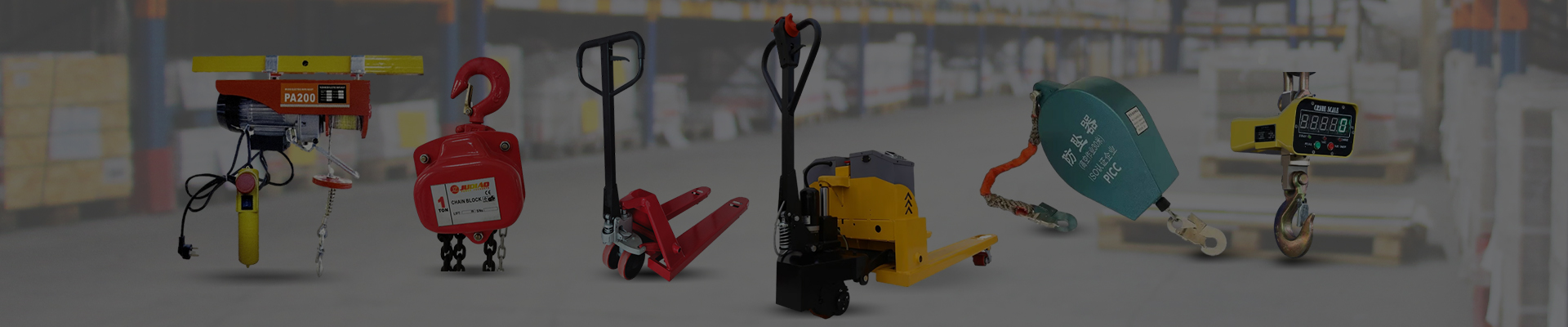


When it comes to lifting heavy loads reliably and safely, the 1000kg chain block stands out as a fundamental tool worldwide. Frankly, its importance is sometimes overlooked because it’s such a straightforward device, yet it plays a massive role in industries ranging from construction and manufacturing to humanitarian logistics. Globally, the ability to lift loads of around 1000 kilograms (roughly 2200 pounds) using a portable, manual, or powered device can mean the difference between business as usual and operational downtime or even critical safety incidents.
That’s why getting familiar with the 1000kg chain block — what it is, where it’s used, and why it remains so crucial — is beneficial not just to engineers or riggers but to anyone interested in industrial safety and logistics solutions.
To set the stage, consider that the global lifting equipment market was valued at several billion USD as of recent industry reports, with steady growth driven by increased infrastructure projects, shipping, and heavy manufacturing expansion, especially across Asia and Africa (ISO standards on lifting equipment). The 1000kg chain block fits neatly into this growth because it offers a reliable, scalable, and cost-effective solution to lifting moderately heavy loads. Yet, oddly enough, it still addresses a fundamental challenge everywhere: how do you safely raise, position, and secure heavy items without expensive machinery or bulky tools? This question is particularly urgent in areas with limited access to power or remote job sites.
Simply put, a 1000kg chain block is a manual or powered hoisting device designed to lift loads up to one metric ton. It primarily consists of a chain loop, a set of gears inside the housing, and hooks to grab the load and anchor it. By pulling the hand chain, the mechanism multiplies the applied force, allowing a single person or small team to lift heavy loads safely.
The beauty is in its simplicity and versatility — this type of chain block can be found hovering over a factory floor, mounted on scaffolding on construction sites, or even in disaster relief shelters, where lifting equipment must be portable and rugged.
These factors collectively explain why the 1000kg chain block is often the go-to tool across a huge range of fields.
The 1000kg chain block’s success is rooted in durable design and straightforward operation, making it a universally trusted lifting aid.
| Specification | Details |
|---|---|
| Load Capacity | 1000 kg (1 Metric Ton) |
| Chain Material | Alloy Steel, Heat Treated |
| Lift Height | Typically 3 meters (varies by model) |
| Weight | Approx. 15–25 kg |
| Safety Factor | Generally 4:1 or better |
| Brake Type | Load Holding Mechanical Brake |
Across Asia’s busy construction sectors, the 1000kg chain block is almost ubiquitous — its portability and reliability match the often transient and constrained workspaces seen in urban builds. In Africa, you’ll find it serving remote mining sites where power is intermittent, and engineers rely on manual hoists to lift drilling machinery parts safely.
And it’s not just industry. In humanitarian relief, say post-tsunami reconstruction in Southeast Asia, these chain blocks help agencies lift building materials quickly with minimal setup. Emergency shelters and mobile hospitals use them too because they don’t rely on electric power or complex infrastructure.
| Vendor | Price Range | Warranty | Unique Feature |
|---|---|---|---|
| Brand A | $150 - $190 | 2 years | Ergonomic hand chain design |
| Brand B | $170 - $210 | 3 years | Enhanced corrosion resistance coating |
| Brand C | $140 - $180 | 1 year | Lightweight aluminum housing |
Owning a reliable 1000kg chain block isn't just about lifting loads — it’s investing in safety and peace of mind. The robust mechanical brakes help prevent accidents, which can save lives and costly downtime. Emotionally, that trust breeds confidence on-site. Plus, these devices require minimal maintenance and rarely break down, making them a sensible long-term investment — especially in emerging markets where replacing tools is expensive.
From a sustainability standpoint, manual chain blocks have a lower carbon footprint than heavy powered cranes, meaning they fit well with green energy initiatives. They extend the life of expensive machinery by reducing manual hand-carry risks.
The future of the 1000kg chain block is quietly evolving. Engineers are exploring composite chains to reduce weight without sacrificing strength, and IoT sensors to monitor load stress and maintenance cycles remotely — potentially preventing failures before they happen. Digital transformation is arriving slowly, but it’s promising to blend old-school lifting with modern smart safety.
There’s also a push to use more environmentally friendly materials and coatings, aligning the humble chain block with global sustainability goals.
But, let’s be honest, chain blocks come with some limitations. The manual models require physical effort, which might not suit all users, and misuse can lead to accidents. Also, reliance on mechanical parts means regular inspections are vital, yet sometimes neglected, especially in small operations.
Addressing these issues involves both training and technology. Smart load monitoring and automatic braking systems can mitigate human error, while supplier education programs and stricter regulations help enforce proper usage.
A: Industry consensus recommends inspections at least once every six months, or more frequently in heavy-use environments. Look for worn chains, proper lubrication, and ensure the braking system functions reliably.
A: Yes, provided it has corrosion-resistant chains and housings. Many models come with special coatings, but it’s wise to cover or store it properly when not in use.
A: With proper maintenance, a chain block can last over 10 years. Many last even longer; it depends on usage intensity and care.
A: Basic training is highly recommended. While operation is straightforward, understanding load limits, inspection routines, and safe handling minimizes risk.
A: Powered versions reduce manual effort and improve speed but require access to power and higher initial costs. They’re ideal where frequent lifting is needed.
In a nutshell, the 1000kg chain block embodies the perfect blend of simplicity, reliability, and innovation in lifting tools. Its value stretches across continents and sectors, playing crucial roles from construction to emergency response. The long-term benefits — safety, cost-effectiveness, and adaptability — only underscore why it remains a staple in the global lifting equipment toolkit.
If you’re in the market or simply want to learn more about trusted lifting solutions, visit our website: https://www.qyjuli.com. It feels good to know that some tools, no matter how humble, quietly support the backbone of global progress.


 Afrikaans
 Albanian
 Amharic
 Arabic
 Armenian
 Azerbaijani
 Basque
 Belarusian
 Bengali
 Bosnian
 Bulgarian
 Catalan
 Cebuano
 China
China
 China (Taiwan)
 Corsican
 Croatian
 Czech
Czech
 Danish
 Dutch
Dutch
 Esperanto
 Estonian
 Finnish
 French
 Frisian
 Galician
 Georgian
 German
 Greek
Greek
 Gujarati
 Haitian Creole
 Hausa
Hausa
 Hawaiian
 Hebrew
 Hindi
Hindi
 Miao
Miao
 Hungarian
 Icelandic
 Igbo
Igbo
 Indonesian
 Irish
Irish
 Italian
 Japanese
 Javanese
 Kannada
 Kazakh
 Khmer
Khmer
 Rwandese
 Korean
 Kurdish
 Kyrgyz
 Lao
Lao
 Latin
Latin
 Latvian
 Lithuanian
 Luxembourgish
 Macedonian
 Malgashi
 Malay
Malay
 Malayalam
 Maltese
 Maori
Maori
 Marathi
 Mongolian
 Myanmar
 Nepali
 Norwegian
 Norwegian
 Occitan
 Pashto
 Persian
 Polish
 Portuguese
 Punjabi
 Romanian
 Russian
 Samoan
 Scottish Gaelic
 Serbian
 Sesotho
 Shona
Shona
 Sindhi
 Sinhala
 Slovak
 Slovenian
 Somali
 Spanish
 Sundanese
 Swahili
 Swedish
 Tagalog
 Tajik
Tajik
 Tamil
Tamil
 Tatar
Tatar
 Telugu
 Thai
Thai
 Turkish
 Turkmen
 Ukrainian
 Urdu
Urdu
 Uighur
 Uzbek
Uzbek
 Vietnamese
 Welsh
Welsh
 Bantu
Bantu
 Yiddish
 Yoruba
 Zulu
Zulu
 English