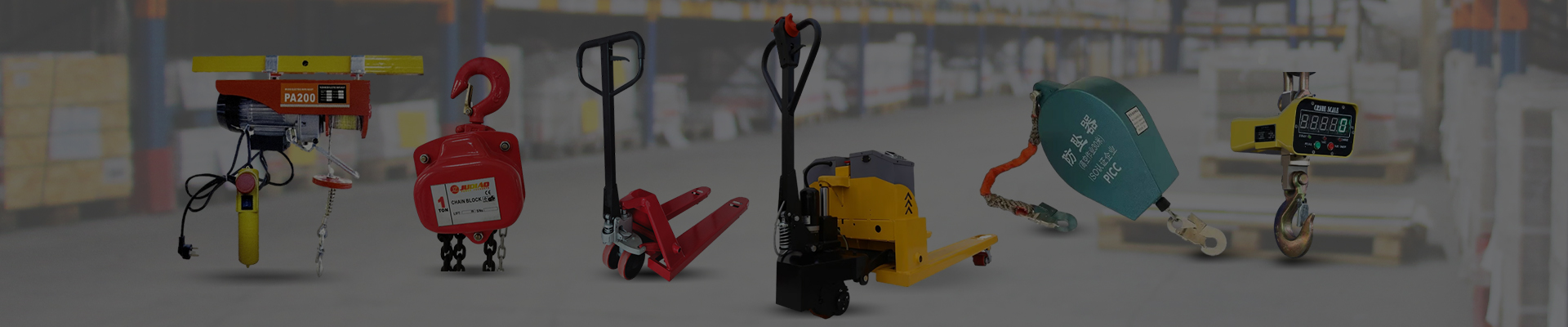


Ever found yourself struggling to move a heavy load and wished for a bit of muscle power — minus the muscle? That’s where a small portable electric winch comes in. These handy devices have quietly transformed industries and humanitarian efforts worldwide, making previously Herculean tasks doable with a flick of a switch.
But why should you care? The world still depends heavily on manual labor for lifting and pulling, especially in remote or difficult terrains. And as global industries look to optimize efficiency, safety, and sustainability, small portable electric winches offer a compelling solution that’s both scalable and smart.
Let's dive into what these machines really are, why they matter globally, and what benefits they bring — because understanding this may just make your next project smoother or your next disaster relief operation more effective.
According to the International Labour Organization, nearly 30% of industrial injuries stem from manual handling accidents. It’s no surprise that mechanized lifting and pulling are gaining traction. The UN’s Sustainable Development Goals also highlight the importance of safer work environments — and compact, efficient tools play a crucial role here.
Globally, construction, logging, mining, and even rescue operations have adopted small portable electric winches. These devices help tackle one key challenge: safely moving loads in hard-to-reach or resource-constrained environments. For instance, in Southeast Asia’s flood-prone zones, lightweight winches allow for quick deployment of relief materials, speeding up recovery times.
Without these tools, workers rely on brute force or awkward setups, increasing risk and decreasing efficiency. The shift to portable, electric alternatives isn't just technological progress — it's a social imperative.
At its heart, a small portable electric winch is a motorized spool that winds and unwinds cable or rope to lift or pull loads. Unlike heavy industrial winches fixed to vehicles or permanent structures, these are compact, lightweight, and can be carried by a single person or a small team.
Think of it as a pocket-sized powerhouse — the kind that can hoist a fallen tree, pull a stuck vehicle, or help erect temporary shelters after disasters.
Modern versions typically run on rechargeable batteries or connect to a vehicle’s power system, which means no reliance on large generators or fuel trucks. They're the go-to tool for industries and humanitarian groups that need fast, reliable lifting power without the usual bulk or setup hassle.
Good winches need to survive rough handling, harsh weather, and dusty conditions. Most leading models use corrosion-resistant metals like stainless steel or reinforced alloys. Plus, smart sealing keeps water and dirt out—crucial when you’re in industrial or outdoor environments.
The motor is the heart of the system — modern brushless motors not only extend battery life but also reduce maintenance. Efficiency here means longer operation times and fewer breakdowns, which really adds up when you’re in a remote worksite.
“Portable” is relative, but roughly 10-20 kg is the sweet spot for one- or two-person transport. Compact design usually means clever structural engineering — it has to be tough but easy to carry and mount quickly.
Remote controls (wired or wireless), automatic brakes, and load sensors are now standard. These features cut down operator fatigue and boost safety — after all, no one wants a runaway cable or unexpected load drop.
From light loads around 200 kg up to 2000 kg+ for heavier jobs, models vary. Many manufacturers offer modular systems where you can swap out cable lengths, hooks, or power packs.
Ok, so why should businesses or NGOs invest in these winches? Here’s the scoop:
Emotionally, you’re also investing in peace of mind. Feeling confident your tools won’t fail mid-task? That alone is priceless.
Here’s the insider buzz:
In other words, what we now think of as “portable electric winches” might evolve into fully connected, predictive, and almost effortless machines. Handy, isn’t it?
Of course, challenges persist. Battery life limits operational time in the field, especially in cold weather. Weight constraints mean there’s a trade-off between power and portability.
Another sticking point: some users report difficulty with maintenance or cable replacement in tight spots.
But innovations in battery tech (think solid-state) and design improvements—like quick-swap cable drums—are already addressing these issues. Additionally, training programs help operators maximize safety and lifespan.
| Feature | Winch A | Winch B | Winch C |
|---|---|---|---|
| Max Load Capacity | 1000 kg | 1500 kg | 750 kg |
| Weight | 12 kg | 18 kg | 9 kg |
| Power Source | Rechargeable Battery | Vehicle 12V DC | Rechargeable Battery |
| Control Type | Wireless Remote | Wired Remote | Wireless Remote |
| IP Rating | IP67 | IP54 | IP66 |
| Vendor | Price Range | Warranty | Distribution | Special Features |
|---|---|---|---|---|
| Alpha Winches | $450 - $650 | 2 years | Global | IP67 rating, wireless control |
| Triton Tools | $600 - $850 | 3 years | North America & Europe | Solid-state battery tech |
| EcoLift Portable | $500 - $700 | 1.5 years | Asia & Africa | Solar charging kit included |
To put it simply: these devices pack a punch in a small package. Whether you’re building infrastructure in challenging environments, running an off-road excursion, or responding to emergencies, small portable electric winches make your life easier, safer, and more efficient.
They combine smart engineering with real-world practicality — and their growing adoption worldwide shows there's strong momentum behind them.
Curious to see how a small portable electric winch might fit your needs? Visit our website and explore the latest models ready to revolutionize your operations. Seriously, once you try one, it’s hard to go back.


 Afrikaans
 Albanian
 Amharic
 Arabic
 Armenian
 Azerbaijani
 Basque
 Belarusian
 Bengali
 Bosnian
 Bulgarian
 Catalan
 Cebuano
 China
China
 China (Taiwan)
 Corsican
 Croatian
 Czech
Czech
 Danish
 Dutch
Dutch
 Esperanto
 Estonian
 Finnish
 French
 Frisian
 Galician
 Georgian
 German
 Greek
Greek
 Gujarati
 Haitian Creole
 Hausa
Hausa
 Hawaiian
 Hebrew
 Hindi
Hindi
 Miao
Miao
 Hungarian
 Icelandic
 Igbo
Igbo
 Indonesian
 Irish
Irish
 Italian
 Japanese
 Javanese
 Kannada
 Kazakh
 Khmer
Khmer
 Rwandese
 Korean
 Kurdish
 Kyrgyz
 Lao
Lao
 Latin
Latin
 Latvian
 Lithuanian
 Luxembourgish
 Macedonian
 Malgashi
 Malay
Malay
 Malayalam
 Maltese
 Maori
Maori
 Marathi
 Mongolian
 Myanmar
 Nepali
 Norwegian
 Norwegian
 Occitan
 Pashto
 Persian
 Polish
 Portuguese
 Punjabi
 Romanian
 Russian
 Samoan
 Scottish Gaelic
 Serbian
 Sesotho
 Shona
Shona
 Sindhi
 Sinhala
 Slovak
 Slovenian
 Somali
 Spanish
 Sundanese
 Swahili
 Swedish
 Tagalog
 Tajik
Tajik
 Tamil
Tamil
 Tatar
Tatar
 Telugu
 Thai
Thai
 Turkish
 Turkmen
 Ukrainian
 Urdu
Urdu
 Uighur
 Uzbek
Uzbek
 Vietnamese
 Welsh
Welsh
 Bantu
Bantu
 Yiddish
 Yoruba
 Zulu
Zulu
 English