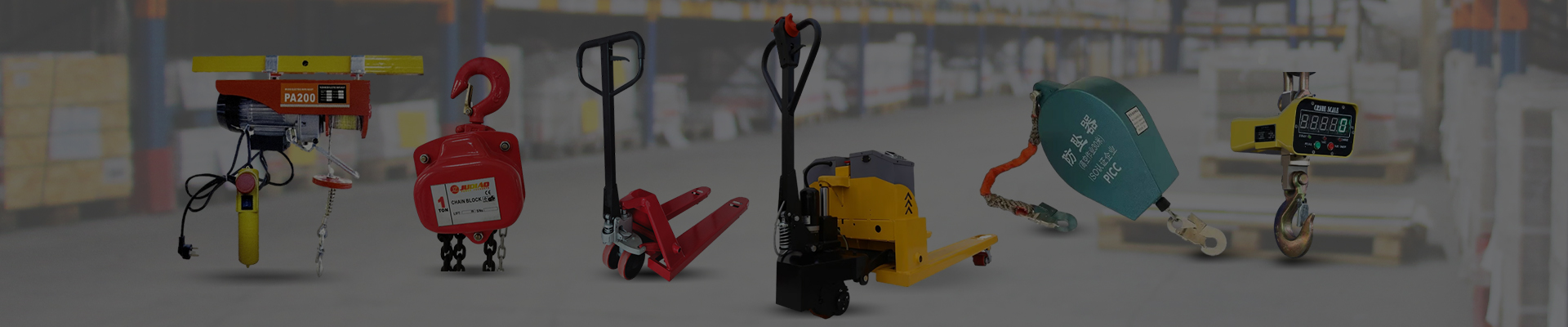


If you've spent years dabbling in industrial equipment like I have, you quickly realize that some tools—though simple—pay dividends in reliability. One such lifesaver? The chain pulley system. You know, it’s that hand-operated device that looks almost ancient but keeps delivering consistent power in lifting loads where machines just won’t do.
Oddly enough, the charm of a chain pulley comes down to its straightforward engineering and the craftsmanship behind its materials. I recall once on a site where electricity was a luxury—they needed a dependable way to lift heavy pipes without fancy motors or hydraulics. The chain pulley was the obvious choice, and frankly, it didn’t disappoint.
So, let’s unwrap what makes the chain pulley system a go-to in so many industrial settings:
The core components are typically forged steel or high-grade alloy metal for the gears and chains, promoting strength without excessive weight. The housing often comes in tough pressed steel or iron, sometimes powder-coated to resist corrosion. I’ve seen some models with sealed ball bearings that reduce friction, which not only smooths operation but extends the life of the system. Many engineers say it’s these subtle material choices that differentiate the reliable make from a cheap knockoff.
Manufacturers usually run chain pulleys through load tests well beyond their rated capacities—sometimes 1.5 to 2 times the maximum working load limit (WLL). I remember inspecting one batch where the chains were stress-tested repeatedly to spot metal fatigue early on. With equipment like this, safety’s not a slogan; it’s an imperative. In real terms, this means fewer accidents and less downtime, something any veteran site manager really appreciates.
There’s something almost satisfying about the tactile feedback when you pull the hand chain—you feel the machine pulling back, a reminder of raw, mechanical muscle at work.
Chain pulley systems don’t come one-size-fits-all, you know. Depending on your load and lifting height, you can choose different chain lengths, load capacities, and gear ratios. Some manufacturers will even tailor the housing and paint finish to specific environmental requirements — splash-proof for marine use, for instance.
I once guided a client who was setting up a warehouse retrofit. They needed a low-headroom chain pulley to lift hefty steel coils. After trying a few models, they settled on a customized version which fit just right and improved workflow efficiency dramatically — a small tweak with a big impact.
| Specification | Typical Value | Remarks |
|---|---|---|
| Max Load Capacity | 3 tons / 3000 kg | Varies by model |
| Chain Material | Forged Alloy Steel | Heat treated for strength |
| Gear Ratio | 4:1 to 6:1 | Affects speed/effort |
| Weight | 12–25 kg | Depends on capacity |
| Operation Type | Manual, hand chain | No power needed |
| Feature | Vendor A | Vendor B | Vendor C |
|---|---|---|---|
| Load Capacity Range | 0.5 - 5 tons | 1 - 3 tons | 0.75 - 4 tons |
| Material Quality | Forged Alloy Steel | Carbon Steel | Forged Steel, heat-treated |
| Corrosion Resistance | Powder coated | Galvanized | Painted & sealed |
| Warranty | 3 years | 2 years | 5 years |
| Price Range (USD) | $150 - $400 | $120 - $350 | $200 - $450 |
In my experience, choosing a chain pulley often boils down to balancing budget with durability and after-sales support. Vendor C might seem pricey, but their longer warranty and superior finish often save headaches down the line. Meanwhile, Vendor B appeals more to projects with tighter budgets and less frequent use.
In the end, a chain pulley system isn’t just a lifting tool—it’s a piece of dependable gear that silently supports countless heavy-lifting tasks on sites from construction to shipping yards. And oddly enough, after all these years, I find it oddly satisfying to pull that chain and feel a century’s worth of industrial know-how in every click.
Whether you're a seasoned operator or just getting started, investing in a quality chain pulley system will pay off with reliability and peace of mind.
References:
1. OSHA - Guidelines on Manual Hoisting Equipment
2. Industrial Equipment Materials Handbook, 5th Edition
3. Supplier Catalogs & Product Testing Reports (2022-2023)


 Afrikaans
 Albanian
 Amharic
 Arabic
 Armenian
 Azerbaijani
 Basque
 Belarusian
 Bengali
 Bosnian
 Bulgarian
 Catalan
 Cebuano
 China
China
 China (Taiwan)
 Corsican
 Croatian
 Czech
Czech
 Danish
 Dutch
Dutch
 Esperanto
 Estonian
 Finnish
 French
 Frisian
 Galician
 Georgian
 German
 Greek
Greek
 Gujarati
 Haitian Creole
 Hausa
Hausa
 Hawaiian
 Hebrew
 Hindi
Hindi
 Miao
Miao
 Hungarian
 Icelandic
 Igbo
Igbo
 Indonesian
 Irish
Irish
 Italian
 Japanese
 Javanese
 Kannada
 Kazakh
 Khmer
Khmer
 Rwandese
 Korean
 Kurdish
 Kyrgyz
 Lao
Lao
 Latin
Latin
 Latvian
 Lithuanian
 Luxembourgish
 Macedonian
 Malgashi
 Malay
Malay
 Malayalam
 Maltese
 Maori
Maori
 Marathi
 Mongolian
 Myanmar
 Nepali
 Norwegian
 Norwegian
 Occitan
 Pashto
 Persian
 Polish
 Portuguese
 Punjabi
 Romanian
 Russian
 Samoan
 Scottish Gaelic
 Serbian
 Sesotho
 Shona
Shona
 Sindhi
 Sinhala
 Slovak
 Slovenian
 Somali
 Spanish
 Sundanese
 Swahili
 Swedish
 Tagalog
 Tajik
Tajik
 Tamil
Tamil
 Tatar
Tatar
 Telugu
 Thai
Thai
 Turkish
 Turkmen
 Ukrainian
 Urdu
Urdu
 Uighur
 Uzbek
Uzbek
 Vietnamese
 Welsh
Welsh
 Bantu
Bantu
 Yiddish
 Yoruba
 Zulu
Zulu
 English