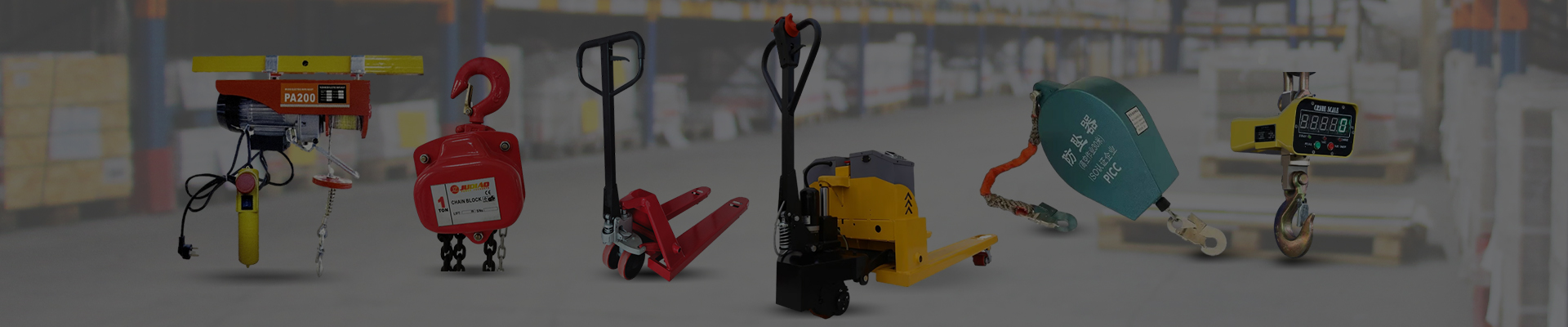


Looking for a reliable chain hoist 1 ton? Understanding the price point and the factors that influence it is crucial. This article will delve into the costs associated with a 1-ton chain hoist, explore various types, and provide insights to help you make an informed purchasing decision. We will cover everything from basic manual hoists to more advanced electric models, ensuring you find the best solution for your lifting needs. Choosing the right hoist will improve efficiency and worker safety.
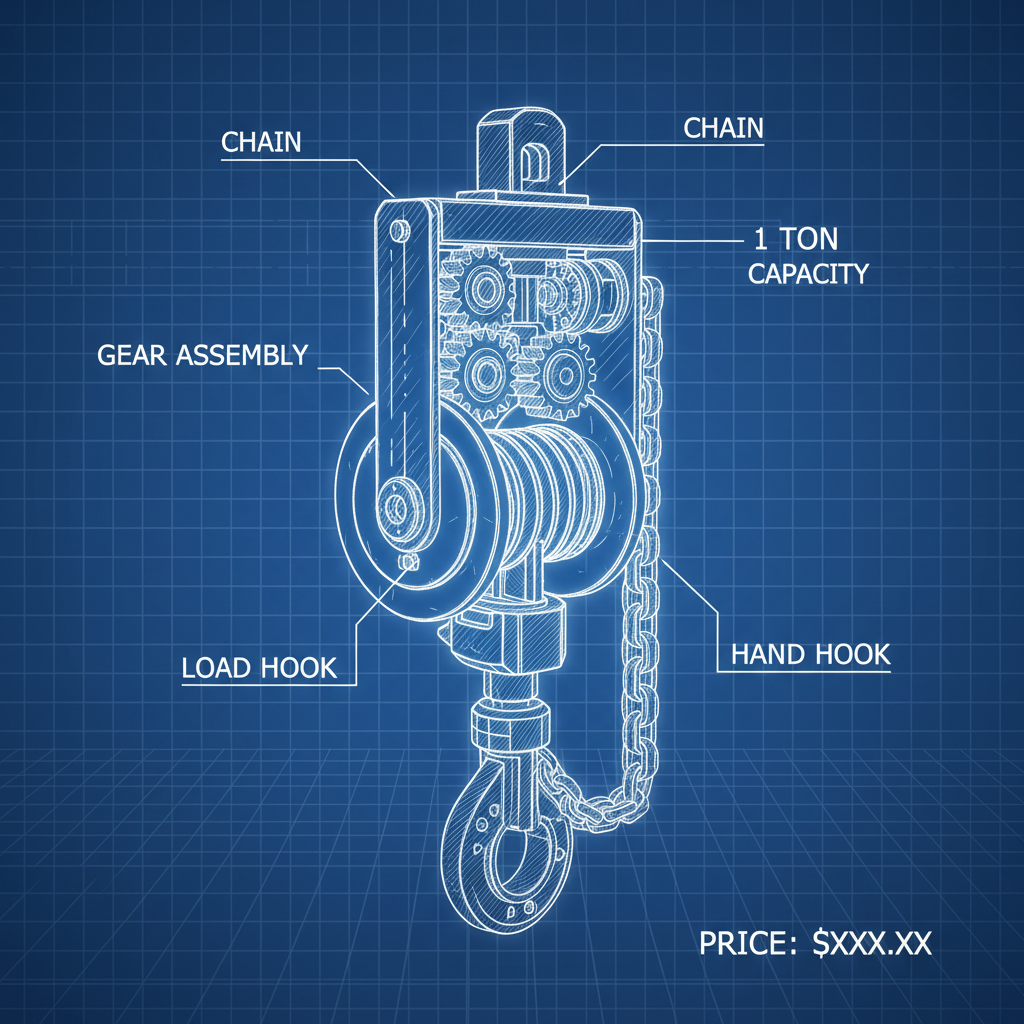
Chain hoists are categorized primarily by their operation method: manual and electric. Manual chain hoists are operated by hand, using a hand chain to lift and lower loads. These are generally more affordable and ideal for applications where portability and infrequent use are key. Electric chain hoists, on the other hand, utilize an electric motor for operation, offering greater lifting speed and ease of use, particularly for heavy or frequent lifting tasks. They require a power source and are typically used in industrial settings. Wire rope hoists are another option, but chain hoists provide greater precision and are less prone to damage. The chain hoist 1 ton configuration is a common choice for many industries.
Key Considerations: Choose between manual or electric operation based on lifting frequency, load weight, and available power sources. Prioritize safety features and load capacity for your specific needs.
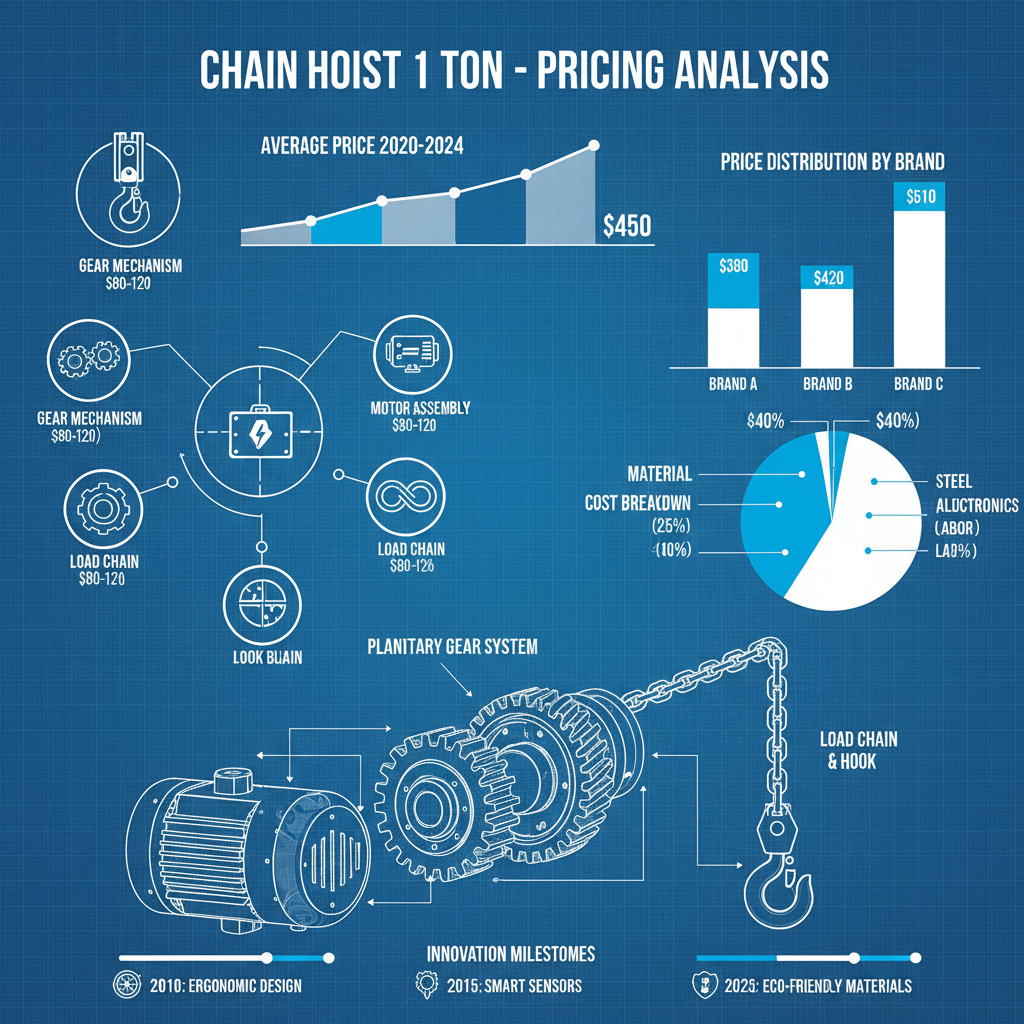
The price of a 1-ton chain hoist can vary significantly based on several factors. The type of hoist (manual vs. electric) is the primary driver, with electric hoists typically costing considerably more. Brand reputation also plays a role, with established brands often commanding a premium. Lifting height, chain length, and the inclusion of features like overload protection and variable speed control will all impact the final price. Furthermore, the quality of materials used and the hoist's overall construction contribute to its cost and longevity. The price of a chain hoist also depends on the supplier and geographic location.
Price Influencing Factors:
• Type of Hoist (Manual vs. Electric)
• Brand Reputation
• Lifting Height and Chain Length
• Additional Features (Overload Protection, Variable Speed)
Here’s a comparative look at the typical price ranges for a 1-ton chain hoist. Keep in mind these are estimates and can fluctuate based on the specific features and supplier.
Purchasing from a reputable supplier is essential to ensure the quality and safety of your chain hoist. Qyjuli.com specializes in providing high-quality lifting equipment, including a wide range of chain hoists. We offer competitive pricing, expert advice, and reliable customer service. Consider factors like warranty, certifications, and customer reviews when selecting a supplier. Don't compromise on quality when it comes to lifting equipment, as it directly impacts workplace safety and efficiency.
Safety should always be paramount when using a chain hoist. Ensure the hoist is properly rated for the load weight, and never exceed its capacity. Inspect the hoist before each use for any signs of damage, such as worn chains, damaged hooks, or malfunctioning brakes. Use appropriate lifting slings and attachments, and ensure they are in good condition. Keep the lifting area clear of personnel, and never stand directly under a suspended load. Proper training and adherence to safety guidelines are essential for preventing accidents. Qyjuli.com provides resources and safety information to help you operate your chain hoist safely and effectively.
Selecting the right chain hoist 1 ton requires careful consideration of your specific lifting requirements, budget, and safety needs. By understanding the different types of hoists, the factors influencing price, and essential safety precautions, you can make an informed decision and invest in a reliable lifting solution that will enhance your operations. Qyjuli.com is your trusted partner for high-quality chain hoists and expert lifting solutions.
The lifespan of a 1-ton chain hoist varies depending on usage frequency, maintenance, and operating conditions. Generally, a well-maintained manual chain hoist can last for many years, even decades. Electric chain hoists typically have a shorter lifespan due to the wear and tear on the motor and electrical components, generally between 5-10 years. Regular inspections, lubrication, and adherence to the manufacturer's recommendations are crucial for maximizing the lifespan of your hoist. Replacing worn parts promptly is also essential.
Essential safety features include overload protection, which prevents lifting loads exceeding the hoist's capacity; a robust braking system to secure the load; and durable hooks with safety latches to prevent accidental disengagement. For electric hoists, look for features like thermal overload protection to prevent motor burnout. Regularly inspect these features to ensure they are functioning correctly. Always use proper lifting slings and attachments, and ensure personnel are trained in safe lifting practices.
Accurately determining the required lifting height is crucial for safe and efficient operation. Measure the vertical distance from the lowest point of the load to the lifting point. Add extra height to account for the lifting sling length and desired clearance above the load. It’s better to slightly overestimate the lifting height than to underestimate it, as a hoist with insufficient lifting capacity will render it unusable. Qyjuli.com can assist you in selecting a hoist with the appropriate lifting height for your specific needs.
Regular maintenance is key to ensuring the longevity and safe operation of your chain hoist. For manual hoists, this includes lubricating the chain, gears, and bearings. Electric hoists require more frequent maintenance, including inspection of the motor, electrical connections, and braking system. Always disconnect power before performing any maintenance on an electric hoist. Regularly inspect the chain for wear and tear, and replace it if necessary. Keep the hoist clean and free from debris.


 Afrikaans
 Albanian
 Amharic
 Arabic
 Armenian
 Azerbaijani
 Basque
 Belarusian
 Bengali
 Bosnian
 Bulgarian
 Catalan
 Cebuano
 China
China
 China (Taiwan)
 Corsican
 Croatian
 Czech
Czech
 Danish
 Dutch
Dutch
 Esperanto
 Estonian
 Finnish
 French
 Frisian
 Galician
 Georgian
 German
 Greek
Greek
 Gujarati
 Haitian Creole
 Hausa
Hausa
 Hawaiian
 Hebrew
 Hindi
Hindi
 Miao
Miao
 Hungarian
 Icelandic
 Igbo
Igbo
 Indonesian
 Irish
Irish
 Italian
 Japanese
 Javanese
 Kannada
 Kazakh
 Khmer
Khmer
 Rwandese
 Korean
 Kurdish
 Kyrgyz
 Lao
Lao
 Latin
Latin
 Latvian
 Lithuanian
 Luxembourgish
 Macedonian
 Malgashi
 Malay
Malay
 Malayalam
 Maltese
 Maori
Maori
 Marathi
 Mongolian
 Myanmar
 Nepali
 Norwegian
 Norwegian
 Occitan
 Pashto
 Persian
 Polish
 Portuguese
 Punjabi
 Romanian
 Russian
 Samoan
 Scottish Gaelic
 Serbian
 Sesotho
 Shona
Shona
 Sindhi
 Sinhala
 Slovak
 Slovenian
 Somali
 Spanish
 Sundanese
 Swahili
 Swedish
 Tagalog
 Tajik
Tajik
 Tamil
Tamil
 Tatar
Tatar
 Telugu
 Thai
Thai
 Turkish
 Turkmen
 Ukrainian
 Urdu
Urdu
 Uighur
 Uzbek
Uzbek
 Vietnamese
 Welsh
Welsh
 Bantu
Bantu
 Yiddish
 Yoruba
 Zulu
Zulu
 English