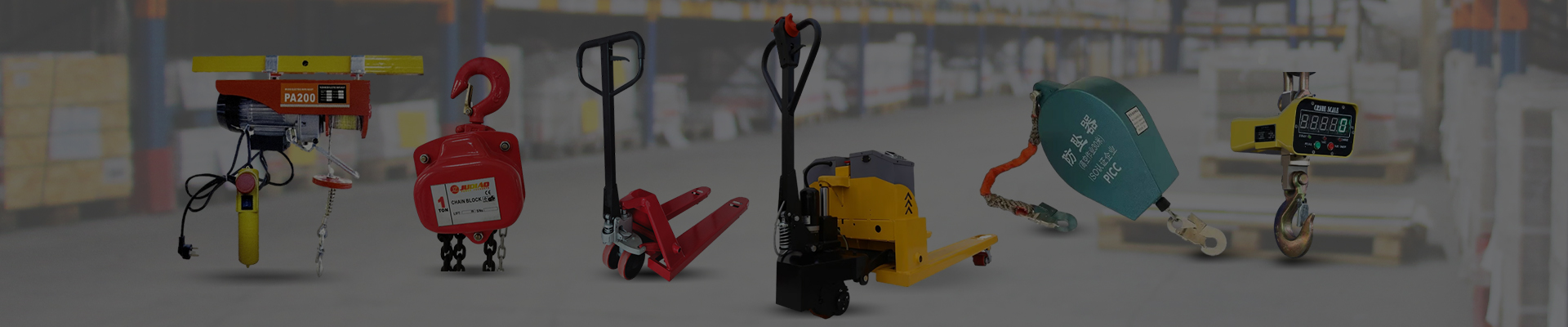


It might seem just another piece of industrial kit, but a compact electric winch quietly powers so many critical operations worldwide—from construction sites in Europe to disaster relief efforts in Asia. Frankly, without these small yet robust devices, lifting and pulling heavy loads safely and efficiently would be a ton more work, with far more risk involved.
Understanding the compact electric winch isn’t just for engineers juggling specs. It's about recognizing a subtle but huge enabler in sectors like maritime shipping, mining, emergency response, and beyond. This tool brings safety, scalability, and surprisingly green innovation to the table. For industries facing an ever-growing demand for reliability and precision, it’s vital to get why this small device packs such a punch.
Globally, industries increasingly strive for automation and efficiency in material handling. According to the International Organization for Standardization (ISO), mechanical lifting equipment saw a growth rate ~5% annually over the last decade. Compact electric winches play a big role here with their ability to deliver strong pulling forces but fit in tight spaces—a big deal for urban construction or rugged fieldwork.
But it’s not only commercial. The UN Office for Disaster Risk Reduction (UNDRR) notes that rapid deployment of equipment like electric winches is essential in post-disaster relief—whether it’s clearing debris or setting up temporary shelters. Yet many remote or underdeveloped areas struggle with bulky or fuel-dependent machines. The compact electric winch addresses these challenges by being portable, energy-efficient, and versatile.
So the challenge at stake is clear: How do we balance power with portability? Safety with sustainability? Modern compact electric winches offer a compelling answer.
In the simplest terms, a compact electric winch is a mechanical device equipped with an electric motor that pulls in, lets out, or otherwise adjusts the tension of a rope or cable. The defining feature is its small size relative to traditional winches—making it easier to transport and use in confined spaces without sacrificing power.
Such winches are particularly connected to the modern push toward automation and smarter work sites, offering precise control over loads. And their use isn’t just mechanical convenience; they often support humanitarian goals by enabling faster, safer recovery or supply movement in crisis zones.
Many engineers I’ve spoken with emphasize the winch’s ruggedness. Being small doesn’t mean fragile. Materials like stainless steel or marine-grade aluminum combat corrosion and wear—even in salty, humid environments. A well-designed compact winch can run for thousands of cycles with minimal maintenance.
You’d be surprised how much force these little machines can generate—often measured in hundreds to thousands of pounds of pull—while still being light enough for one person to carry. This balance matters for field engineers, rescue teams, or anyone who needs snappy deployment behind difficult terrain.
Electric motors vary, but brushless DC motors have become popular for these winches because they offer smoother torque, less heat, and longer lifespans. They also draw less power—meaning they can run on portable batteries or renewable energy sources, subtly shifting the industry toward greener solutions.
Modern compact electric winches often come with remote controls, variable speed settings, and automatic brakes. These features reduce human error and prevent accidents—especially when crew members are working in tight or hazardous environments.
Many models offer modular designs, allowing users to change drums, cables, or mounting systems quickly. This adaptability broadens their application—from marine vessel rigging to industrial conveyor systems or even theatrical stage setups.
Compact electric winches might seem pricey upfront, but their low maintenance and energy savings usually pay off over the lifespan. Many businesses tell me they consider these winches investments that avoid costly downtime, accidents, or fuel expenses tied to hydraulic or gas-powered alternatives.
Mini takeaway: Durability meets power in a package that’s easy to handle and cost-effective, making compact electric winches a small but mighty choice.
The really fascinating aspect? Their compactness reduces transportation and setup time drastically, often resulting in hours saved on complex projects—time that, in emergency contexts, could save lives.
Let’s face it: it’s not just about utility but trust and peace of mind. Operators get machines that are:
Behind these features lies a story of innovation and human empathy—machinery designed not just to pull heavy things, but to safeguard livelihoods.
| Specification | Value | Notes |
|---|---|---|
| Pulling Capacity | 1000 kg (2200 lbs) | Varies by model |
| Rope Length | 15-30 m (50-100 ft) | Steel wire or synthetic |
| Motor Type | Brushless DC | High efficiency & long life |
| Power Supply | 12V/24V DC or 110V/220V AC | Model dependent |
| Weight | 12-35 kg (26-77 lbs) | Portable |
| Control | Wired/Remote Wireless | Safety features included |
With many options out there, choosing a reliable vendor is crucial. Here’s a rough side-by-side to get a feel:
| Vendor | Build Quality | Price Range | Control Features | Global Support |
|---|---|---|---|---|
| WinchPro | Excellent (marine-grade) | $$$ | Wireless remote, auto brakes | Worldwide |
| QuickPull | Good (aluminum frame) | $$ | Wired remote, speed control | North America/Europe |
| TitanWinch | Very good (reinforced steel) | $$$ | Wireless & manual override | Asia, Europe |
Honestly, the winch world might sound niche but it’s buzzing gently with innovation. Expect more integration with IoT devices—smart sensors that track load, temperature, and wear in real time. This predictive maintenance can literally prevent breakdowns hours before they happen.
On the environmental front, the rise of energy-dense batteries and solar-powered charging stations could make field use even more eco-friendly—no more diesel generators humming in the background. Plus, new lightweight composites might soon replace metals in some parts, further reducing weight without losing strength.
And then there’s automation, where winches could connect to robotic cranes or drones for synchronized load handling—kind of the next step in that longstanding dance between man and machine.
It’s not all smooth sailing. Challenges like cable wear, overheating motors, or limited battery life still plague some models. Moreover, improperly trained users can result in accidents despite all safety gear.
Experts recommend routine inspections combined with real-time monitoring and investing in robust training programs. Some companies are also exploring hybrid power solutions, mixing electric with manual backup systems to ensure operation in all conditions.
Looking through what’s out there today—and what’s coming—I’m convinced that compact electric winches are not just a tool, but a quietly transformative force in many sectors. They combine safety, sustainability, and raw utility in a way that just feels future-proof.
The ability to quickly deploy dependable power, often in the most challenging contexts, is bound to grow in importance, and these winches embody that evolution perfectly.
Ready to explore options or get hands-on with this game-changing technology? Visit our website: compact electric winch and see the latest innovations available.


 Afrikaans
 Albanian
 Amharic
 Arabic
 Armenian
 Azerbaijani
 Basque
 Belarusian
 Bengali
 Bosnian
 Bulgarian
 Catalan
 Cebuano
 China
China
 China (Taiwan)
 Corsican
 Croatian
 Czech
Czech
 Danish
 Dutch
Dutch
 Esperanto
 Estonian
 Finnish
 French
 Frisian
 Galician
 Georgian
 German
 Greek
Greek
 Gujarati
 Haitian Creole
 Hausa
Hausa
 Hawaiian
 Hebrew
 Hindi
Hindi
 Miao
Miao
 Hungarian
 Icelandic
 Igbo
Igbo
 Indonesian
 Irish
Irish
 Italian
 Japanese
 Javanese
 Kannada
 Kazakh
 Khmer
Khmer
 Rwandese
 Korean
 Kurdish
 Kyrgyz
 Lao
Lao
 Latin
Latin
 Latvian
 Lithuanian
 Luxembourgish
 Macedonian
 Malgashi
 Malay
Malay
 Malayalam
 Maltese
 Maori
Maori
 Marathi
 Mongolian
 Myanmar
 Nepali
 Norwegian
 Norwegian
 Occitan
 Pashto
 Persian
 Polish
 Portuguese
 Punjabi
 Romanian
 Russian
 Samoan
 Scottish Gaelic
 Serbian
 Sesotho
 Shona
Shona
 Sindhi
 Sinhala
 Slovak
 Slovenian
 Somali
 Spanish
 Sundanese
 Swahili
 Swedish
 Tagalog
 Tajik
Tajik
 Tamil
Tamil
 Tatar
Tatar
 Telugu
 Thai
Thai
 Turkish
 Turkmen
 Ukrainian
 Urdu
Urdu
 Uighur
 Uzbek
Uzbek
 Vietnamese
 Welsh
Welsh
 Bantu
Bantu
 Yiddish
 Yoruba
 Zulu
Zulu
 English