


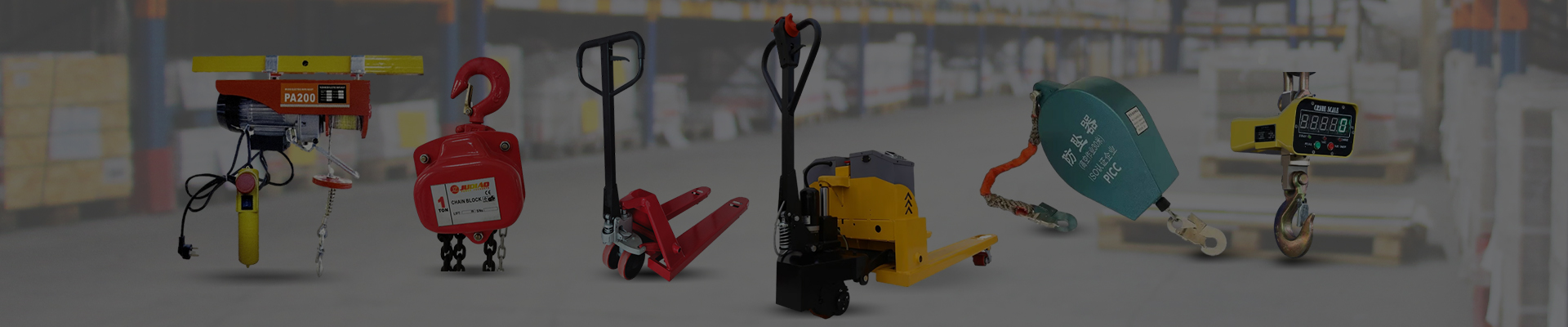
When you hear the term 20 ton chain block price, it might initially sound like some niche industrial jargon — but behind those words lies a fascinating blend of engineering, economics, and global logistics. Chain blocks, especially those rated for 20 tons, are vital lifting tools used in countless industries worldwide, from construction sites to humanitarian relief efforts. Grasping how their pricing works can unlock insights into supply chain health, technological advances, and even international trade trends.
The global construction market alone was valued at over $12 trillion in 2022, according to the World Bank, and chain blocks are essential for handling heavy loads safely and efficiently on these projects. Moreover, humanitarian agencies often deploy them for disaster recovery — lifting debris, equipment, or aid supplies. So, keeping an eye on the 20 ton chain block price is like tracking a small but critical cog in a vast industrial and relief machinery. Changes in this price ripple outwards, affecting budget planning, operational capability, and sometimes even project scope.
Put simply, the 20 ton chain block price refers to the cost of purchasing a chain block designed to lift loads up to 20 tons. These are robust, manual or powered hoisting devices that use a chain and gear system to move heavy objects vertically or horizontally over short distances. The price varies depending on material quality, brand, region, and additional features like load limiters or safety certifications.
Notably, such equipment doesn’t just matter for heavy industry — they're core tools in sectors like maritime shipping, mining, and infrastructure repair, where precise, safe load handling is non-negotiable.
Chain blocks must withstand heavy loads and harsh environments. High-grade steel alloy chains and corrosion-resistant coatings improve lifespan but raise costs. Frankly, many operators prefer paying a premium upfront rather than risking equipment failure onsite.
Certifications from bodies like ISO or OSHA increase prices but ensure the equipment meets stringent safety standards. It's not just red tape — it protects lives and ensures insurance coverage.
Basic chain blocks have manual operations, whereas advanced models might possess ratchet brakes or overload protection systems — all affecting price.
Trusted vendors often charge more, but you often get better post-sale support and warranty terms, which frankly can be priceless on complex sites.
Oddly enough, price fluctuation can owe as much to shipping logistics or local tariffs as to the product itself. For example, import costs in remote or developing markets often swell prices noticeably.
| Feature | Specification |
|---|---|
| Rated Capacity | 20 Tons (20,000 kg) |
| Chain Material | Alloy Steel, Heat-Treated |
| Lifting Height | 3 to 10 meters (varies by model) |
| Safety Features | Overload Protection, Dual Pawl Brake |
| Operation | Manual or Electric |
| Typical Price Range (USD) | $1,200 – $3,500 |
Globally, sectors like construction, manufacturing, shipping, and mining heavily depend on reliable chain blocks. For example:
You might check out more pricing and specs on varied models at 20 ton chain block price, which provides industry-tailored options.
| Vendor | Price Range (USD) | Warranty | Safety Certifications | Customer Support |
|---|---|---|---|---|
| Alpha Hoist Co. | $1,200 - $1,800 | 2 Years | ISO 9001, CE | Email & Phone Support |
| Global Lift Tech | $1,800 - $2,900 | 3 Years | OSHA, CE, ISO 14001 | 24/7 Support & Training |
| Juli Equipment | $2,300 - $3,500 | 5 Years | ISO 9001, CE, UL Listed | Dedicated Account Manager |
It’s tempting to cut costs on initial purchases, but with 20 ton chain blocks, reliability means everything. Investing in a quality unit reduces downtime, prevents accidents, and protects your workforce — all factors that save money long-term. Plus, many units last decades if properly maintained, a sustainable choice in an era spotlighting environmental impact.
Trust, innovation, and safety aren’t buzzwords here — they’re tangible outcomes. Choosing better equipment feels like a win not just on site, but in company culture as well.
The industry is not standing still. We’re seeing trends like digital load sensors integrated into chain blocks that provide real-time data, helping edge out overload risks. Lightweight but ultra-strong composite materials promise to lower transport costs and improve ergonomics. Automation, while mostly limited to powered hoists so far, is gradually creeping into manual chain blocks through assistive robotics.
Environmental regulations are pushing manufacturers to use more recyclable materials and reduce waste in production — concepts aligned closely with ISO 14001 standards. So, 20 ton chain block price might feel more volatile in the short term as innovations settle, but these investments promise smarter, safer operations ahead.
Sometimes, price mismatches arise from counterfeit or substandard products flooding markets, especially online. This can lead to dangerous failures. The solution? Buy from reputable vendors, check certifications rigorously, and train users in proper operation.
Also, in remote zones, access to repair parts can be slow — bundling spare parts with purchases and enabling local tech training goes a long way to improve longevity.
The 20 ton chain block price is more than a number — it encapsulates quality, safety, and operational capability. Whether you’re an engineer overseeing a complex build or a coordinator managing post-disaster aid, understanding this price dimension helps you plan smarter, reduce risks, and ultimately save lives. For competitive pricing and a wide selection of reliable models, please visit https://www.qyjuli.com.
In real terms, investing in trusted lifting equipment feels like buying peace of mind — and functional excellence that lasts.
References:


 Afrikaans
 Albanian
 Amharic
 Arabic
 Armenian
 Azerbaijani
 Basque
 Belarusian
 Bengali
 Bosnian
 Bulgarian
 Catalan
 Cebuano
 China
China
 China (Taiwan)
 Corsican
 Croatian
 Czech
Czech
 Danish
 Dutch
Dutch
 Esperanto
 Estonian
 Finnish
 French
 Frisian
 Galician
 Georgian
 German
 Greek
Greek
 Gujarati
 Haitian Creole
 Hausa
Hausa
 Hawaiian
 Hebrew
 Hindi
Hindi
 Miao
Miao
 Hungarian
 Icelandic
 Igbo
Igbo
 Indonesian
 Irish
Irish
 Italian
 Japanese
 Javanese
 Kannada
 Kazakh
 Khmer
Khmer
 Rwandese
 Korean
 Kurdish
 Kyrgyz
 Lao
Lao
 Latin
Latin
 Latvian
 Lithuanian
 Luxembourgish
 Macedonian
 Malgashi
 Malay
Malay
 Malayalam
 Maltese
 Maori
Maori
 Marathi
 Mongolian
 Myanmar
 Nepali
 Norwegian
 Norwegian
 Occitan
 Pashto
 Persian
 Polish
 Portuguese
 Punjabi
 Romanian
 Russian
 Samoan
 Scottish Gaelic
 Serbian
 Sesotho
 Shona
Shona
 Sindhi
 Sinhala
 Slovak
 Slovenian
 Somali
 Spanish
 Sundanese
 Swahili
 Swedish
 Tagalog
 Tajik
Tajik
 Tamil
Tamil
 Tatar
Tatar
 Telugu
 Thai
Thai
 Turkish
 Turkmen
 Ukrainian
 Urdu
Urdu
 Uighur
 Uzbek
Uzbek
 Vietnamese
 Welsh
Welsh
 Bantu
Bantu
 Yiddish
 Yoruba
 Zulu
Zulu
 English