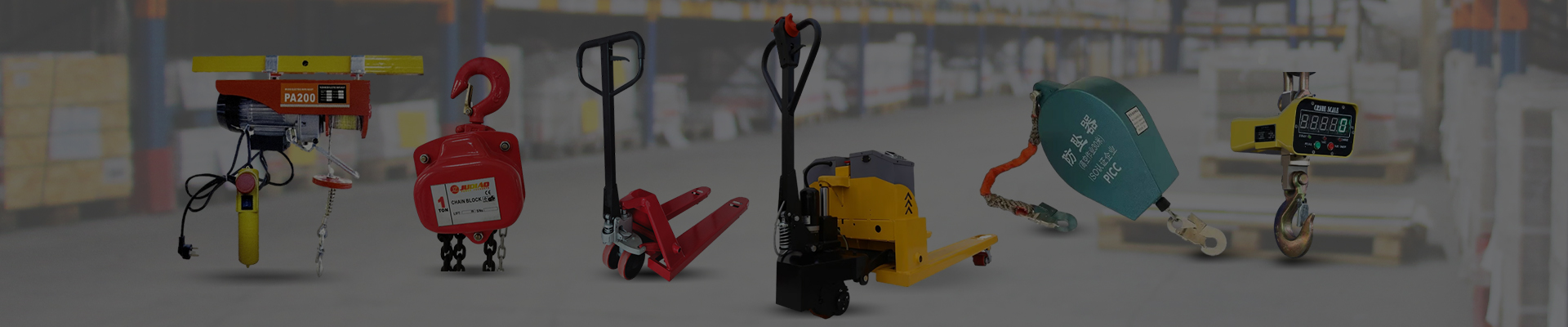


The 20 chain hoist is a versatile lifting tool widely used across various industries, from manufacturing and construction to warehousing and rigging. Its robust design and reliable performance make it an essential component for safely and efficiently moving heavy loads. This article provides an in-depth look at 20 chain hoists, covering their applications, specifications, safety considerations, and benefits. Choosing the right hoist is critical for ensuring workplace safety and optimizing operational efficiency. We will explore the key factors to consider when selecting a chain hoist for your specific needs.
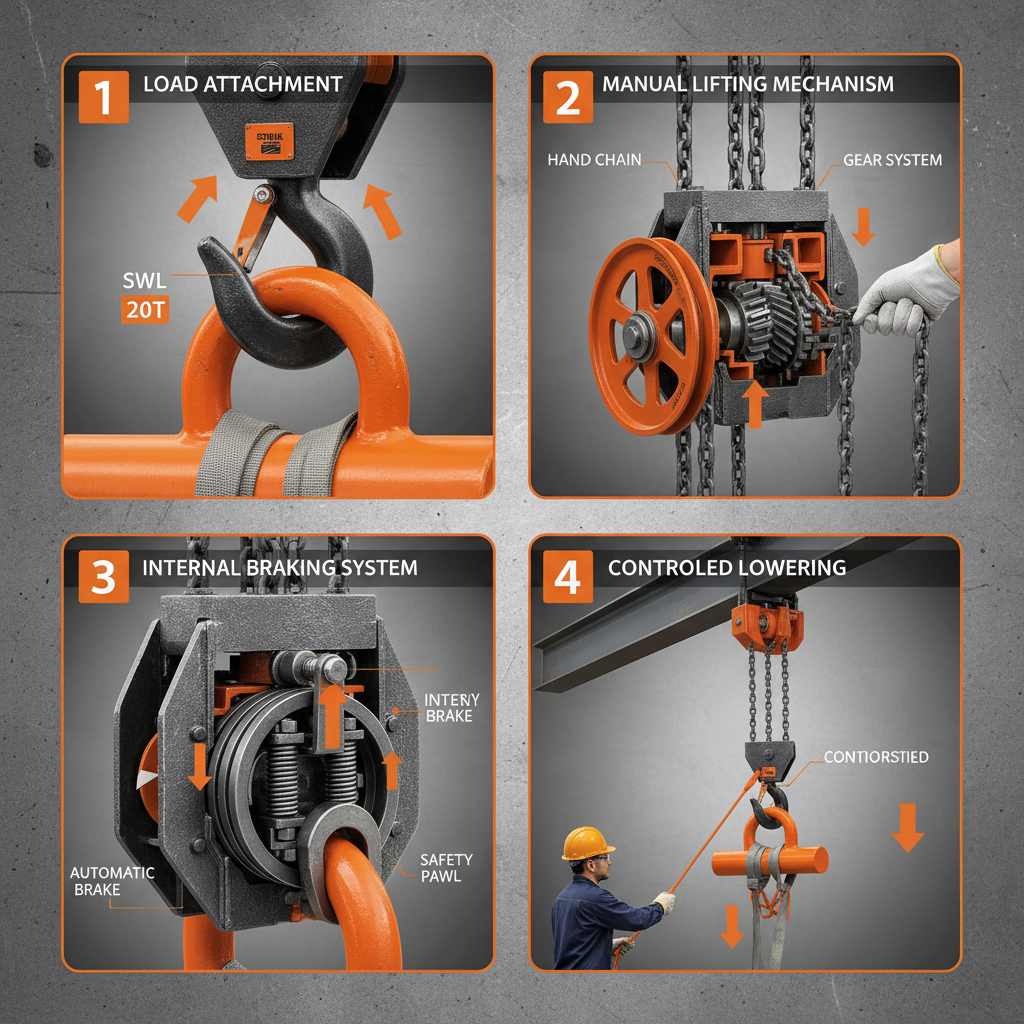
A 20 chain hoist refers to a lifting device that utilizes a chain with a diameter of 20mm to lift and lower heavy objects. These hoists typically employ a geared mechanism to provide mechanical advantage, allowing a relatively small pulling force to lift substantial weights. The operator pulls on the chain, engaging the gears and rotating a lifting wheel or sprocket, which then raises or lowers the load. 20 chain hoists are known for their durability, strength, and relatively low maintenance requirements. They're frequently preferred over wire rope hoists in harsher environments due to the chain's resistance to corrosion and kinking. Qyjuli offers a comprehensive range of 20 chain hoists to meet diverse lifting needs.
Key Highlights: Durable construction, high load capacity, and low maintenance requirements make 20 chain hoists a reliable lifting solution.
The versatility of the 20 chain hoist allows its use in a broad spectrum of industries. In construction, they are essential for lifting building materials and equipment. Manufacturing facilities utilize them for moving heavy machinery and components. Warehousing operations rely on them for loading and unloading goods. Furthermore, they are commonly used in rigging applications for theater and event production. Their compact size and ease of use make them ideal for environments where space is limited. The 20 chain hoist is an invaluable asset for any industry that requires safe and efficient lifting solutions.
Key Application Areas:
• Construction Sites
• Manufacturing Plants
• Warehouses and Logistics Centers
• Rigging and Event Production
When choosing a lifting device, it's crucial to compare different options based on their strengths and weaknesses. Compared to wire rope hoists, 20 chain hoists are generally more durable and resistant to abrasion and corrosion. They also require less maintenance. Compared to lever hoists, chain hoists offer a greater lifting capacity and smoother operation. Electric hoists provide faster lifting speeds, but they are more complex and require a power source. The best choice depends on the specific application and your priorities. Qyjuli's team can assist you in selecting the most appropriate lifting solution for your needs.
Safety is paramount when operating a chain hoist. Always inspect the chain for wear, damage, or corrosion before each use. Ensure the hoist is properly secured to a load-bearing structure. Never exceed the hoist's rated capacity. Avoid shock loading and ensure the load is balanced before lifting. Wear appropriate personal protective equipment (PPE), including gloves and safety glasses. Regular maintenance, including lubrication, is crucial for ensuring safe and reliable operation. Qyjuli provides detailed safety guidelines and maintenance recommendations with all its products.
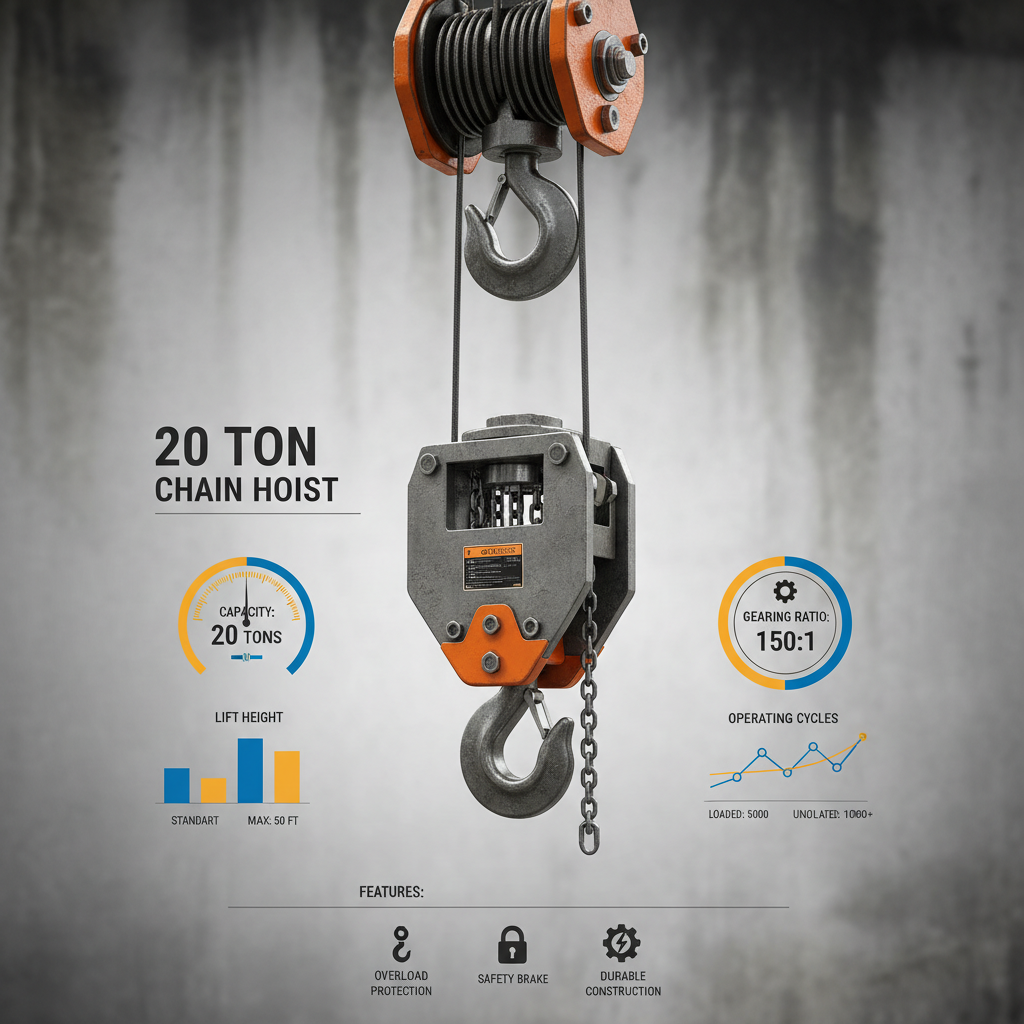
20 chain hoists are available in a variety of configurations to suit different applications. Load capacities typically range from 1 ton to 50 tons or even higher. Chain lengths vary depending on the lifting height required. Hand chain hoists are the most common type, but electric and pneumatic chain hoists are also available. We offer a variety of models with differing gear ratios impacting lifting speed and ease of operation. Here's a quick overview of common specifications:
Selecting the appropriate 20 chain hoist requires careful consideration of your specific lifting needs, safety requirements, and budget. Qyjuli offers a wide range of high-quality chain hoists, expert advice, and reliable support to help you make the right choice. Invest in a dependable lifting solution to ensure workplace safety and operational efficiency.
Regular maintenance is crucial for ensuring the longevity and safe operation of your 20 chain hoist. At a minimum, inspect the chain for wear, kinks, or damage before each use. Lubricate the chain and gears regularly, following the manufacturer's recommendations. Periodically check the load hook for cracks or deformation. A more thorough inspection should be conducted annually by a qualified professional. Proper maintenance prevents breakdowns, extends the hoist's lifespan, and ensures the safety of your operations.
When selecting a chain hoist capacity, always choose a hoist with a rated capacity that exceeds the maximum weight you intend to lift. It's best to have a safety margin to account for unexpected loads or dynamic forces. Consider the weight of the load itself, as well as any rigging equipment, such as slings or shackles. Never exceed the hoist's rated capacity, as this could lead to equipment failure and potential injury. If you're unsure about the appropriate capacity, consult with a lifting specialist.
Certain 20 chain hoists are specifically designed for use in hazardous environments, such as those with explosive atmospheres. These hoists typically feature spark-resistant components and are certified for use in classified locations. It's essential to choose a hoist that is appropriately rated for the specific hazard present in your work environment. Always consult with safety experts and follow all applicable regulations when operating lifting equipment in hazardous conditions. Qyjuli offers specialized hoists for various hazardous environments.
A manual chain hoist relies on manual pulling force to lift the load, providing greater control and independence from a power source. Electric chain hoists, however, use an electric motor to automate the lifting process, resulting in faster lifting speeds and reduced operator effort. Manual hoists are typically more affordable and require less maintenance, while electric hoists are better suited for high-volume lifting applications and situations where speed and efficiency are critical. The choice between the two depends on your specific needs and budget.


 Afrikaans
 Albanian
 Amharic
 Arabic
 Armenian
 Azerbaijani
 Basque
 Belarusian
 Bengali
 Bosnian
 Bulgarian
 Catalan
 Cebuano
 China
China
 China (Taiwan)
 Corsican
 Croatian
 Czech
Czech
 Danish
 Dutch
Dutch
 Esperanto
 Estonian
 Finnish
 French
 Frisian
 Galician
 Georgian
 German
 Greek
Greek
 Gujarati
 Haitian Creole
 Hausa
Hausa
 Hawaiian
 Hebrew
 Hindi
Hindi
 Miao
Miao
 Hungarian
 Icelandic
 Igbo
Igbo
 Indonesian
 Irish
Irish
 Italian
 Japanese
 Javanese
 Kannada
 Kazakh
 Khmer
Khmer
 Rwandese
 Korean
 Kurdish
 Kyrgyz
 Lao
Lao
 Latin
Latin
 Latvian
 Lithuanian
 Luxembourgish
 Macedonian
 Malgashi
 Malay
Malay
 Malayalam
 Maltese
 Maori
Maori
 Marathi
 Mongolian
 Myanmar
 Nepali
 Norwegian
 Norwegian
 Occitan
 Pashto
 Persian
 Polish
 Portuguese
 Punjabi
 Romanian
 Russian
 Samoan
 Scottish Gaelic
 Serbian
 Sesotho
 Shona
Shona
 Sindhi
 Sinhala
 Slovak
 Slovenian
 Somali
 Spanish
 Sundanese
 Swahili
 Swedish
 Tagalog
 Tajik
Tajik
 Tamil
Tamil
 Tatar
Tatar
 Telugu
 Thai
Thai
 Turkish
 Turkmen
 Ukrainian
 Urdu
Urdu
 Uighur
 Uzbek
Uzbek
 Vietnamese
 Welsh
Welsh
 Bantu
Bantu
 Yiddish
 Yoruba
 Zulu
Zulu
 English