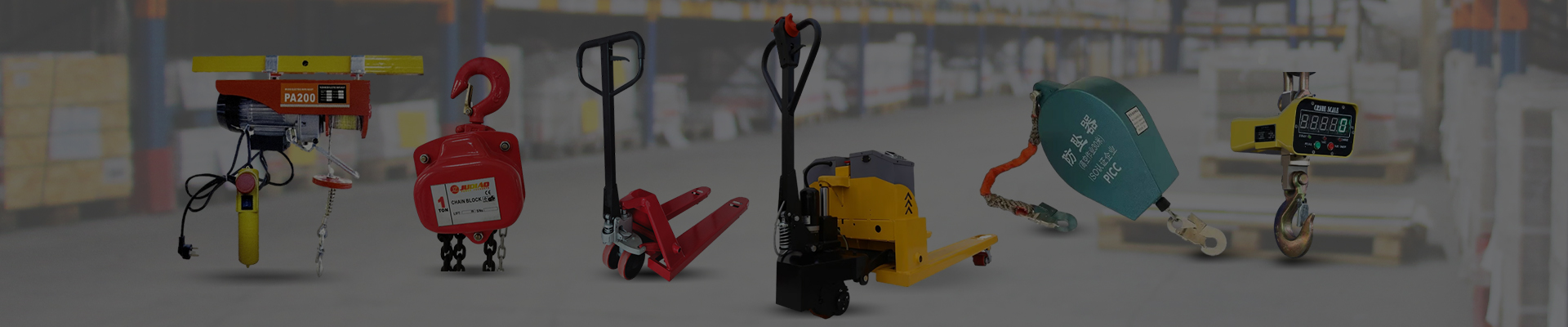


When it comes to lifting and moving heavy loads safely and efficiently, the 0.5 ton chain block quietly plays a starring role across countless industries worldwide. Frankly, it’s one of those unassuming tools that keeps things moving—from construction sites in Asia to manufacturing floors in Europe. Beyond its obvious mechanical prowess, the humble chain block holds keys to safety improvements, cost savings, and operational reliability that resonate on a global scale.
In this article, we'll uncover why the 0.5 ton chain block matters globally, break down what makes it tick, and explore how this fairly simple device supports complex industrial and humanitarian needs. Whether you’re a procurement manager, safety officer, or simply curious, diving into these details will deepen your appreciation for this industrial staple.
According to data from the International Labour Organization and the World Bank, industrial safety equipment demand has surged with rapid urbanization and infrastructure growth. In 2019 alone, over 1.3 billion tons of goods were handled using lifting gear globally. Within this landscape, chain blocks capable of lifting up to 0.5 tons are ubiquitous—offering a practical balance of compact size and sufficient load capacity for frequent small to medium tasks.
However, real challenges persist. According to ISO standards on lifting equipment (ISO 12100), failure to properly use adequate lifting devices is a leading cause of workplace injury globally. Here, the chain block addresses the problem by providing a safe, manual lifting method where mechanized alternatives may be either too large, costly, or unavailable—particularly in less industrialized or disaster-affected areas.
Simply put, a 0.5 ton chain block is a manual lifting device designed to hoist loads up to 500 kilograms (approximately 1100 pounds) using chains and a gearing mechanism. It’s often called a “chain hoist.” This tool converts relatively small pulling effort into significant lifting force, making it invaluable where electric or hydraulic options are impractical.
In modern times, chain blocks aren’t just industrial tools; they’re lifelines in humanitarian crises—used for moving construction materials quickly in post-disaster relief or setting up infrastructure in remote areas. Their portability and durability are vital when speed and safety matter most.
Chain blocks are typically constructed with heat-treated alloy steel for both chain and gears, ensuring long-term wear resistance. High-quality models feature corrosion-resistant coatings, which is essential in humid or coastal environments. This durability guarantees reliability under heavy use in diverse conditions.
The rated capacity of 0.5 tons is carefully engineered, backed by rigorous load testing (often certified under standards like EN 13157). Safety latches and braking systems prevent accidental load drops—the kind of features that literally save lives.
Unlike large cranes or electric hoists, a 0.5 ton chain block is compact and portable. This mobility makes it handy for confined spaces or temporary setups without heavy infrastructure.
Chain blocks are relatively inexpensive compared to powered hoists, and their manual operation removes dependency on electricity or fuel—significant in developing regions or off-grid sites.
Maintenance is straightforward: cleaning, lubricating chains and gears, and periodic inspections. Simplicity here means less downtime and lower operational costs.
This device finds practical application in:
Oddly enough, some NGOs prioritize chain blocks for their projects in underdeveloped regions due to their simplicity and proven reliability. You might be interested in seeing examples of similar equipment at 0.5 ton chain block.
Emphasizing their tangible benefits:
In real terms, a 0.5 ton chain block is more than just hardware. It’s a straightforward solution that fosters productivity and safety simultaneously.
The landscape of lifting equipment is evolving. There’s growing interest in integrating smart sensors for load monitoring, which could allow real-time safety alerts. Materials science is pushing lightweight composites that might soon replace steel chains—although tested strength is paramount. Plus, sustainability drives focus on producing chain blocks with recycled metals and environmentally friendly manufacturing processes.
Automation is less pronounced here since chain blocks are favored precisely for low-tech scenarios, but hybrid options combining manual and electric assist modes are creeping in.
Despite their many strengths, 0.5 ton chain blocks face issues like chain wear, improper use, or limited vertical lift distance. Addressing these requires:
Suppliers are responding with modular designs that simplify part replacement and improve usability.
| Specification | Details |
|---|---|
| Load Capacity | 0.5 Ton (500 kg) |
| Chain Material | Alloy Steel, Grade T80 |
| Lift Height | 3 meters (standard), customizable |
| Braking System | Load-ratchet, automatic load-holding |
| Weight (unit) | 10 - 12 kg depending on manufacturer |
| Vendor | Price Range (USD) | Warranty | Key Feature |
|---|---|---|---|
| LiftPro | $70–$90 | 2 years | Durable alloy chain, compact design |
| HoistMaster | $85–$110 | 3 years | Enhanced braking system, ergonomic handle |
| SafeLift | $60–$80 | 1 year | Lightweight, budget-friendly |
Regular inspections are recommended at least every six months under normal use. However, in heavy-duty or harsh environments, monthly inspections may be needed. Look for chain wear, lubrication status, and braking efficiency to ensure safety compliance with ISO 12100.
Absolutely not. Chain blocks are designed for lifting loads, not people. Using them for personnel lifting violates safety standards and can lead to fatal accidents. Always use certified lifting gear intended specifically for personnel.
The standard lift height is usually around 3 meters (approximately 10 feet). However, many manufacturers offer customizable chain lengths to suit taller lift requirements.
Yes, maintaining proper lubrication minimizes wear and rust, extending service life. Lubrication schedules vary by environment, but as a rule of thumb, a light oil application every few months is wise, especially in outdoor or humid conditions.
Look beyond price. Warranty length, adherence to safety certifications (such as CE or ISO), availability of spare parts, and user reviews are crucial for ensuring your long-term satisfaction and safety.
In all honesty, the 0.5 ton chain block stands out as a compact, reliable, and cost-effective lifting solution vital to industries and humanitarian efforts alike. Its balance of safety, portability, and durability underpins countless operations globally. If you are looking for dependable equipment to improve your lifting tasks, be sure to explore options at 0.5 ton chain block. Equip yourself with the right tool—it’ll make a world of difference.
— A modest tool powering massive projects around the world.


 Afrikaans
 Albanian
 Amharic
 Arabic
 Armenian
 Azerbaijani
 Basque
 Belarusian
 Bengali
 Bosnian
 Bulgarian
 Catalan
 Cebuano
 China
China
 China (Taiwan)
 Corsican
 Croatian
 Czech
Czech
 Danish
 Dutch
Dutch
 Esperanto
 Estonian
 Finnish
 French
 Frisian
 Galician
 Georgian
 German
 Greek
Greek
 Gujarati
 Haitian Creole
 Hausa
Hausa
 Hawaiian
 Hebrew
 Hindi
Hindi
 Miao
Miao
 Hungarian
 Icelandic
 Igbo
Igbo
 Indonesian
 Irish
Irish
 Italian
 Japanese
 Javanese
 Kannada
 Kazakh
 Khmer
Khmer
 Rwandese
 Korean
 Kurdish
 Kyrgyz
 Lao
Lao
 Latin
Latin
 Latvian
 Lithuanian
 Luxembourgish
 Macedonian
 Malgashi
 Malay
Malay
 Malayalam
 Maltese
 Maori
Maori
 Marathi
 Mongolian
 Myanmar
 Nepali
 Norwegian
 Norwegian
 Occitan
 Pashto
 Persian
 Polish
 Portuguese
 Punjabi
 Romanian
 Russian
 Samoan
 Scottish Gaelic
 Serbian
 Sesotho
 Shona
Shona
 Sindhi
 Sinhala
 Slovak
 Slovenian
 Somali
 Spanish
 Sundanese
 Swahili
 Swedish
 Tagalog
 Tajik
Tajik
 Tamil
Tamil
 Tatar
Tatar
 Telugu
 Thai
Thai
 Turkish
 Turkmen
 Ukrainian
 Urdu
Urdu
 Uighur
 Uzbek
Uzbek
 Vietnamese
 Welsh
Welsh
 Bantu
Bantu
 Yiddish
 Yoruba
 Zulu
Zulu
 English